








While hands-on learning isn’t new, it has become more important than ever in an age of constant change. Students of the present generation need more than just facts and formulas. They need to make connections, ask questions, build things, reflect, and actively shape their learning journey. That’s what experiential learning offers: not just education, but transformation. It empowers children to think independently, act confidently, and engage with learning in ways that leave a lasting impression.
At WisdomWood High, Bangalore, one of the best schools in Bangalore, this belief forms the heart of the academic approach. Through WWHELP (WisdomWood Hands-on Experiential Learning Programme), the school doesn’t just teach concepts; it immerses students in experiences that bring those concepts to life. From interactive projects to field-based exploration and community-based learning, WWHELP ensures that education is something students live through, not just read about.
In this article, we’ll explore how experiential learning transforms a child’s education by deepening understanding, sparking creativity, and preparing them for a dynamic future. We’ll also take a closer look at how WisdomWood High’s WWHELP initiative weaves together powerful strategies like project-based learning, real-world fieldwork, and service learning to nurture well-rounded, capable, and confident learners.
Also Read | Building Skills through Extracurricular Excellence at WWHWhy Experiential Learning Works Better Than Passive Learning
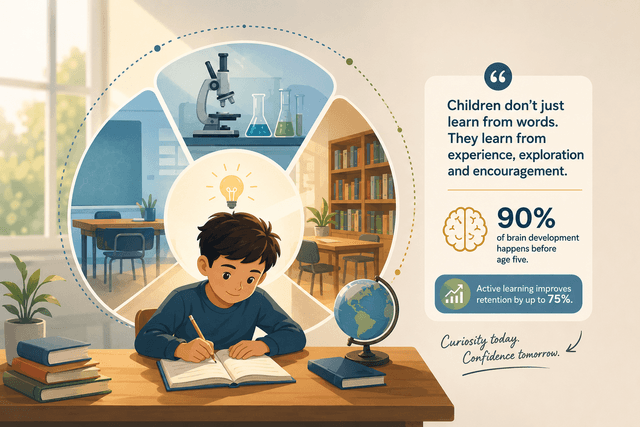
Experiential learning goes far beyond memorizing information; it’s about immersing students in the process of discovery. When children are actively involved, they develop a deeper understanding and retain knowledge for longer.
-
Deep Engagement: Students engage not just with facts, but with the process of learning, sparking curiosity and emotional involvement.
-
Higher Curiosity and Motivation: Learning becomes enjoyable when it’s meaningful, encouraging students to ask questions and stay motivated.
-
Critical Thinking and Decision Making: Experiential learning allows children to encounter challenges and make real-time decisions, building problem-solving skills.
Project-Based Learning: Turning Ideas into Action
Projects offer students a chance to apply knowledge to real problems. This method cultivates leadership, teamwork, and creativity while making lessons more relevant to everyday life.
-
Cross-Disciplinary Connections: One project can link multiple disciplines, helping students see how knowledge is connected and useful.
-
Teamwork and Leadership: Students learn to divide tasks, listen to peers, and take responsibility for shared outcomes.
-
Goal-Oriented Thinking: Working towards a final product teaches students how to organize their time, think critically, and stay focused.
Fieldwork and Real-World Exploration
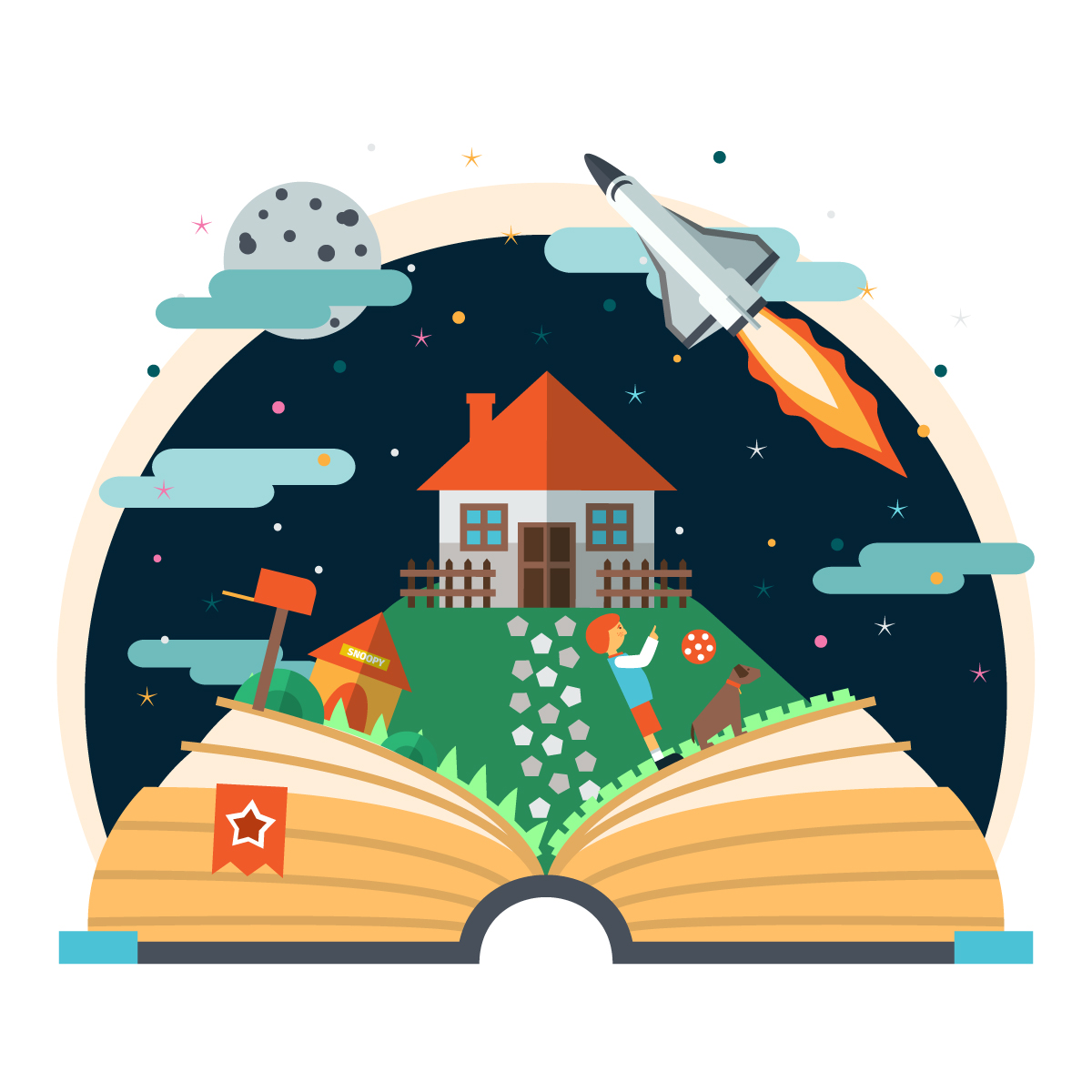
Field visits and outdoor experiences shift learning from the abstract to the tangible. It gives students the chance to see theories in action and observe the world firsthand.
-
Learning Outside the Classroom: Whether it’s a nature trail or a museum, stepping out of the classroom helps cement learning with real-world connections.
-
Understanding Real-World Systems: From water treatment plants to ecosystems, students witness the systems they learn about in textbooks.
-
Developing Observation and Inquiry Skills: Fieldwork inspires curiosity and trains students to think like researchers, observing, questioning, and reflecting.
Service-Based Learning: Building Social Responsibility
Service-based learning turns compassion into action. When students contribute to their communities, they grow into thoughtful, empathetic citizens.
-
Learning with Purpose: Helping others becomes a meaningful way to learn about social issues and civic responsibility.
-
Active Citizenship: Students realise that they can make a difference and take pride in becoming positive contributors to society.
-
Building Global Perspectives: Working on causes like sustainability or equality helps children relate to global issues and become more culturally aware.
Creativity and Innovation Through Experience
Experiential learning is a natural fit for creativity. It gives children the freedom to think independently, take risks, and create something new.
-
Freedom to Experiment: Trying, failing, and trying again builds resilience and fosters creative confidence.
-
Design Thinking Approach: Using empathy and iterative problem-solving, students learn to design solutions for real challenges.
-
Problem Solving Through Experience: Facing real problems sharpens analytical thinking and allows students to test their ideas in real contexts.
Why WisdomWood High, Bangalore Is a Future-Ready School
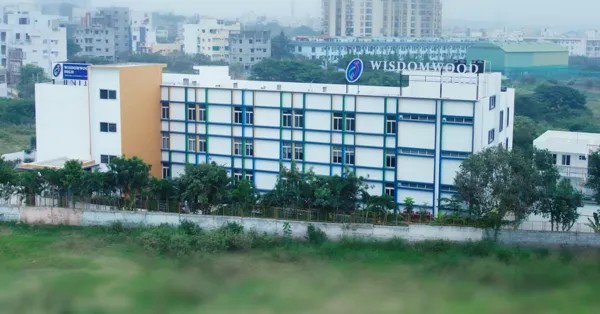
Established in 2022, WisdomWood High, Bangalore, is one of the best CBSE schools in Bangalore, offering classes from Pre-Nursery to Grade 10. With modern infrastructure, well-equipped labs, digital classrooms, sports facilities, and a nurturing environment, the school is designed to foster holistic growth.
The school’s student-teacher ratio of 15:1 ensures every child receives personalized guidance. Through WWHELP, WisdomWood empowers learners with experiential methods that help them think independently, apply knowledge meaningfully, and step into the future with confidence.
Inside WWHELP: WisdomWood’s Hands-On Learning Model
The WWHELP (WisdomWood Hands-on Experiential Learning Programme) is a signature initiative at WisdomWood High, designed to blend curriculum with practical experiences from day one. At its heart are regular, hands-on activities such as birdwatching, cycling, field trips, gardening, and waste segregation, thoughtfully integrated into the learning journey at every grade level
-
Personalized and Student-Centric: WWHELP encourages students to engage at their own pace, guided by curiosity and personal interest. Rather than uniform instruction, educators support student-led discovery across diverse activities from exploring nature trails to maintaining vegetable gardens, helping children take charge of their learning journey.
-
Blended Experiences: Academic lessons are enriched with real-world practice. Students spend time birdwatching to understand ecosystems, cycle to build endurance and observation skills, and visit local sites to link classroom concepts with the world beyond school. Activities like gardening and waste segregation form part of the curriculum, reinforcing environmental responsibility while making learning more tangible and memorable.
-
21st-Century Skill Building: Through continuous participation in WWHELP activities, students develop critical life skills, communication, collaboration, resilience, and environmental awareness. Whether it’s organizing a garden harvest, helping with waste sorting, or leading a group cycling day, every activity reinforces collaboration, reflection, and practical problem-solving, preparing students for challenges beyond academics.
For more information on this and other similar schools in the area, check out this list of the best schools in Bangalore








 as a preferred source on