







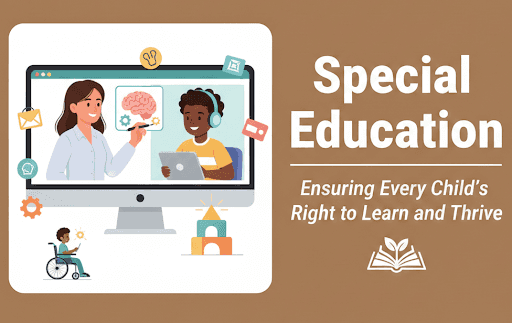

The concept of a "one-size-fits-all" education has been the dominant model for centuries. Students are grouped by age, herded through a standard curriculum, and assessed using uniform examinations. This system works efficiently for many, but it inherently fails to acknowledge a fundamental truth: every child is unique, with their own pace, style, and set of challenges when it comes to learning.
In recent years, a powerful counter-movement has gained momentum: inclusive education. At its heart, inclusive education is about bridging the gap, but not just between students with different abilities, but between a child's potential and their reality. It is the practice of developing flexible teaching methods, curricula, and environments that adapt to the child, rather than forcing the child to adapt to a rigid system.
Through this article, we wanted to talk about how Special education is changing the world of education to make it one of the best examples of inclusive learning. We’ll also mention how one of the best online schools in India, the Class of One, is providing an education that provides the option of learning in an inclusive environment.
What Makes Special Education Different?
Beginning with tailored learning paths, special education serves students struggling in standard classrooms. Customized lessons form the core, yet they go beyond textbooks alone. Instead of one-size-fits-all, instruction adapts through personal guidance, modified materials, different subject approaches, and focused techniques. Success here isn’t measured only by grades; growth shows up in self-assurance, problem-solving ability, inner strength, and everyday capabilities.
At its core, special education is guided by the principles of:
- Equity: ensuring all children have access to learning and participation.
- Diversity: valuing individual differences as strengths, not limitations.
- Universal design: creating environments where learning is accessible to everyone.
These principles help educators adapt curriculum, tools, and instructional approaches in ways that celebrate diversity and remove barriers to learning, rather than lowering expectations for students with special needs.
Also Read| Get Affordable Education at The Class Of One Online School
Why Inclusive Education Matters

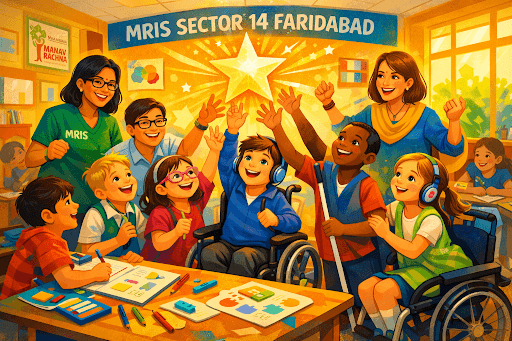
Inclusive education is where students with special needs learn alongside their peers, which makes it nationally and globally recognized as a best practice. In some regions, governments are introducing policies to ensure all learners, regardless of ability, are welcomed into mainstream classrooms. For example, states like Haryana in India have rolled out inclusive education guidelines that mandate accessible infrastructure, early assessments, and teacher training to support children with disabilities in regular schools.
Inclusive settings benefit all students, not just those with special needs. When learners of different abilities share the same environment:
- Academic collaboration increases.
- Empathy and compassion grow.
- Stereotypes and stigma decline.
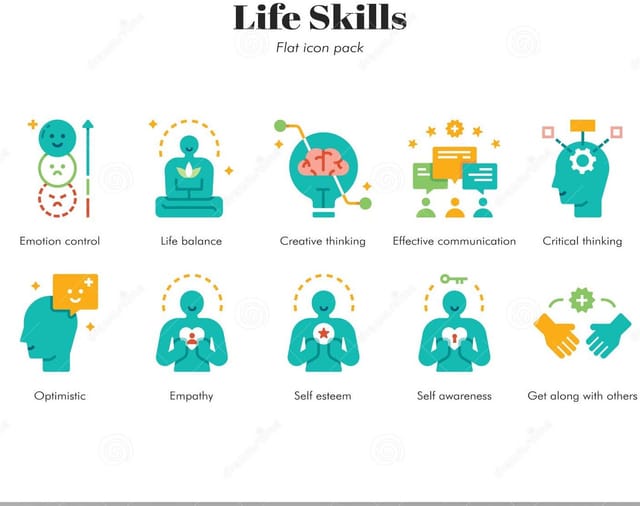
- Students develop broader social and emotional skills.
By emphasizing community, respect, and diversity, inclusive education reflects the world beyond the classroom and prepares students for life outside school walls.
Core Components of Effective Special Education
To build effective special education systems, schools and educators incorporate several key elements:
- Individualized Education Plans (IEPs): IEPs are roadmaps that define goals, support strategies, accommodations, and progress measures for each student with special needs. These plans are developed collaboratively with teachers, specialists, and often families to ensure the right blend of challenge and support.
- Differentiated Instruction: Instruction is tailored to meet each learner’s unique strength and pace. Teachers may use a mix of visual, auditory, and tactile strategies to ensure comprehension and engagement.
- Assistive Technology and Tools: Technology such as speech-to-text software, audio readers, and alternative keyboards helps learners access curriculum content on equal footing with peers.
- Family Collaboration: Parents and caregivers play a central role. By partnering with educators, families reinforce learning goals at home and contribute to a child’s emotional and academic development.
- Ongoing Assessment and Flexibility: Regular assessment ensures that instruction remains responsive. If a student’s needs change, educators adjust methods or supports to match.
Read Further| Supporting Every Learner: Meeting the Needs of Gifted Children
Benefits of Special Education

A different path opens up through special education, one where growth goes beyond grades. Support tailored to individual needs leads to meaningful progress in daily living. When students facing challenges are given what they truly require, outcomes shift noticeably.
Evidence shows that when learners with disabilities receive appropriate support:
- Academic outcomes improve as instruction is tailored to match learning styles.
- Social skills develop through guided interaction with peers.
- Self-esteem and confidence grow, fostering independence.
- Life and vocational skills improve, enhancing future opportunities.
Special education opens doors by breaking down obstacles, helping students grow their abilities. When learning environments adapt, people gain confidence to engage more deeply. Access shapes outcomes; thoughtful support turns exclusion into inclusion. Education becomes a pathway forward instead of a wall blocking progress.
The Class of One: Redefining Inclusive Special Education
Though numerous schools aim to grow their special education offerings, The Class Of One – Special Education Programs Overview shows what works well in digital settings thus making it one of the best IGCSE online schools. Operating worldwide through virtual classrooms, weaves inclusion into every layer of design, belief system, and teaching practice.
Personalized, Inclusive Learning from Anywhere
The Class of One believes that every child, regardless of ability deserves equal access to quality education. Their special education programs are designed to:
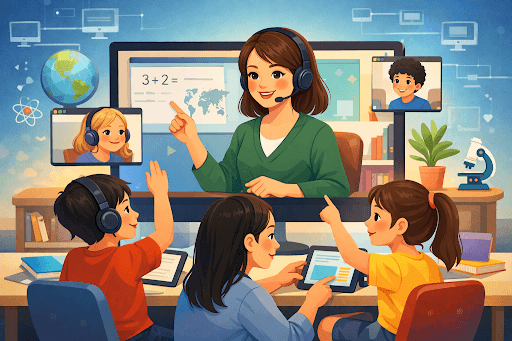
- Provide one-to-one sessions with trained special educators.
- Offer personalized lesson plans that align with each learner’s needs and strengths.
- Ensure continuity between inclusive classes and special education sessions.
- Provide digital learning materials tailored to support diverse learning styles.
Parents are encouraged to participate actively, reinforcing teaching strategies at home and fostering consistency. A daily dialogue between educators and families ensures that behavioural or learning challenges are promptly addressed.
Empowering Through Expertise
One of The Class of One’s strengths lies in its dedicated special education team. These professionals are trained in areas such as intellectual disabilities, learning differences, and adaptive teaching methods. Their expertise allows them to tailor interventions that help students build not only academic skills but confidence and agency.
Tailored Assessment and Supports
The Class of One emphasizes assessments that reflect individual learning styles rather than one-size-fits-all examinations. This includes:
- Modified exam papers.
- Different modes of assessment (oral, visual, practical).
- Adjustment of class participation expectations as needed.
Each child receives an Individualized Education Plan (IEP) developed collaboratively between parents, educators, and the student, ensuring well-defined goals, supports, and meaningful progress tracking.
Flexibility and Accessibility
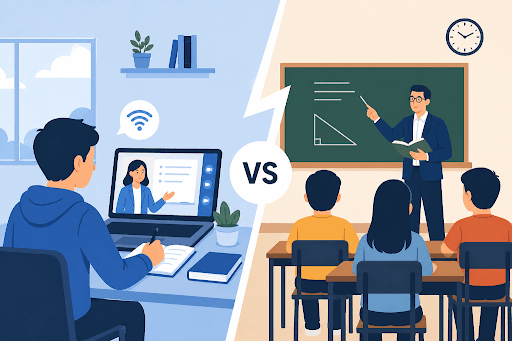
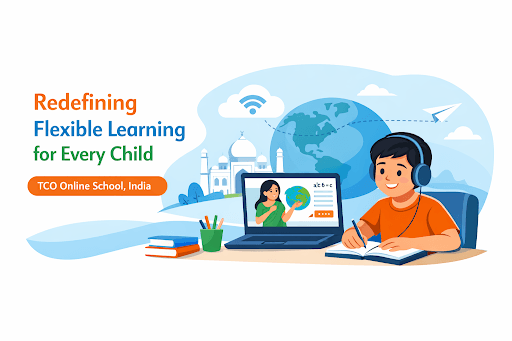
A major advantage of The Class of One’s model is accessibility. Many children with special needs face challenges with transportation, school routines, or sensory overload in traditional classrooms. Online settings reduce these barriers, giving students the comfort of learning from home while still engaging with qualified educators.
Going Beyond Academics
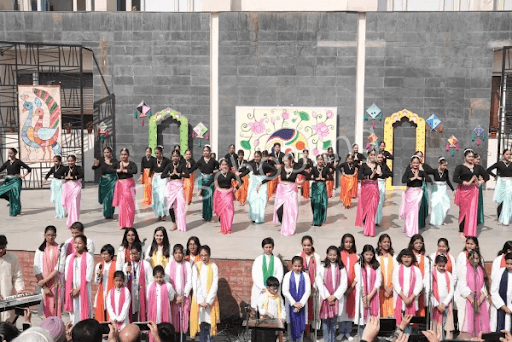
Inclusion at The Class of One isn’t just academic, it’s social and emotional. Students are supported to participate in regular activities, explore interests at their own pace, and build skills that extend beyond textbook learning.
Toward a More Inclusive Future
Special education is not an optional add-on, it's in fact a fundamental component of any education system that values equity, dignity, and human potential. By combining research-informed practices, community-wide support, and flexible delivery models, schools can ensure that every learner thrives.
Whether in traditional classrooms or online environments like The Class Of One, inclusive and individualized approaches help transform education from a barrier into a launching pad for success, academically, socially, and personally.
As we look ahead, the future of education depends on our ability to embrace diversity, champion equity, and ensure that no child is left behind.
For more information on this and other similar schools, check out this list of the best online schools in India.



 as a preferred source on