







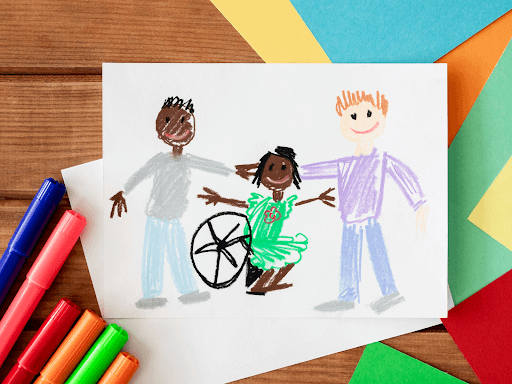

Inclusive education isn't just about placing children with special needs in mainstream classrooms—it's about creating an environment where every student, regardless of their learning style or pace, receives the attention and resources they need to thrive. While many schools claim to be inclusive, few have the necessary infrastructure, trained personnel, and genuine commitment to make it a reality.
Goldenbee Global School (GBGS) in Horamavu, Bangalore, stands apart with its dedicated Personalised Learning Centre, remarkably low teacher-student ratios, and a philosophy that celebrates each child's unique potential. In this article, we explore what true inclusive education entails, the key elements that contribute to its success, and how GBGS has developed a model worth examining.
Also Read | State-of-the-Art Infrastructure That Inspires Learning
Understanding Inclusive Education in Modern Indian Schools
Inclusive education represents a fundamental shift in how we approach learning differences and special needs. It's more than a policy directive—it's about transforming school culture, teaching practices, and support systems to genuinely accommodate every learner.
What Makes Education Truly Inclusive?
Inclusive education means all children—regardless of physical, intellectual, emotional, or linguistic differences—learn together in mainstream settings. True inclusion happens when schools adapt their teaching methods, infrastructure, and culture to accommodate diverse learning needs rather than expecting children to fit into rigid systems.
The Right to Education Act mandates that children with disabilities receive free education in neighbourhood schools. However, legal provisions alone don't create inclusive environments. Schools need trained personnel, specialised resources, and a mindset that views diversity as a strength.
The Ground Reality: Challenges Schools Face
Most Indian schools struggle with inclusive education despite good intentions. Large class sizes averaging 35-40 students make individual attention nearly impossible. Teachers, already burdened with curriculum completion, lack training to identify and address special learning needs.
Infrastructure poses another barrier. Many schools lack specialised learning materials or quiet spaces for sensory breaks. Without counsellors and special educators on staff, children with learning differences often fall behind unnoticed.
What Effective Inclusion Requires
Creating genuinely inclusive schools demands multidisciplinary teams with special educators and counsellors working alongside classroom teachers. Appropriate infrastructure, including assistive technology and specialised spaces, is essential. Regular training programs ensure all staff understand inclusive practices, while active parent involvement bridges school and home for consistency in support.
The Role of Personalized Learning Centers
Personalised Learning Centres have emerged as dedicated support systems within schools, serving as the backbone of inclusive practices and ensuring no child gets left behind.
How PLCs Function Within Schools
Personalised Learning Centres operate as specialised units staffed by trained special educators and counsellors. They conduct diagnostic assessments to identify learning difficulties early—whether dyslexia, ADHD, autism spectrum disorders, or other challenges.
Once needs are identified, PLC teams create Individualised Education Plans outlining specific goals, teaching strategies, and support mechanisms. These living plans are reviewed and adjusted regularly based on student progress.
Collaboration: The Key to Success
PLCs work most effectively through close collaboration with classroom teachers, parents, and students. Regular meetings ensure everyone understands the child's needs and their role in supporting them. Teachers receive guidance on adapting lessons, while parents learn strategies for home.
This collaborative approach transforms special education from isolated intervention to integrated support, maximising children's chances of success while remaining part of mainstream classroom communities.
Teacher-Student Ratios and Their Impact on Learning
The number of students a teacher manages directly impacts learning quality. While often overlooked, student-teacher ratios can make or break inclusive education efforts, especially for children with diverse needs.
Why Numbers Matter in Classrooms
Research consistently shows that smaller class sizes lead to better outcomes. Teachers in smaller classes can monitor each student's understanding, provide timely feedback, and adjust teaching methods to suit different learning styles.
In Indian classrooms averaging 30-40 students, teachers focus primarily on curriculum delivery. Individualised attention becomes nearly impossible. Students with learning differences often get overlooked in the rush to complete syllabi.
The Optimal Ratio Debate
Educational experts suggest primary students need more attention than older ones. Younger children are developing foundational skills and require frequent guidance with social-emotional regulation and basic classroom routines.
Lower ratios enable:
- Early identification of learning difficulties before they compound
- Personalised feedback helps students understand mistakes
- Stronger teacher-student relationships boost confidence
- Better classroom management with fewer behavioural issues
- More opportunities for hands-on learning activities
Design Thinking as a Pedagogical Tool
Beyond structural changes, teaching methodologies themselves must evolve to accommodate diverse learners. Design thinking has emerged as a powerful approach benefiting all students, particularly those with different learning styles.
What Design Thinking Brings to Education
Design thinking applies problem-solving frameworks to education, encouraging students to empathise with problems, define challenges, ideate solutions, and test iteratively. This hands-on approach differs significantly from traditional lecture-based teaching.
For students with learning differences, design thinking offers multiple pathways to demonstrate understanding. A child struggling with written expression might excel at building prototypes. Someone who finds abstract concepts difficult might grasp them through practical application.
Real-World Connections That Engage
Design thinking connects academic concepts to real-world situations, making learning relevant. Instead of memorising historical dates, students design solutions to historical problems. Rather than just learning formulas, they apply math to solve community challenges.
This approach benefits students who ask, "When will I ever use this?" By grounding learning in practical applications, design thinking maintains motivation and helps students see themselves as capable problem-solvers.
Building Truly Inclusive School Communities
Inclusive education extends beyond classrooms and specialised centres. It requires transforming entire school communities—from support staff to students to parents—into champions of diversity and acceptance.
Training Beyond Teachers
Truly inclusive schools train everyone, not just teachers. Administrative staff learn sensitive communication with parents. Transport staff understand how to assist students with mobility challenges. Regular workshops help the entire school community understand neurodiversity, reducing stigma and growing acceptance.
Peer Education and Infrastructure
Children themselves become powerful agents of inclusion when guided properly. Schools conducting peer sensitivity sessions find students more accepting of classmates with differences. Creating buddy systems and celebrating diverse achievements builds cultures where every child feels valued.
Physical infrastructure matters significantly. Inclusive schools need ramps for mobility challenges, sensory rooms for calming spaces, flexible furniture, assistive technology like text-to-speech software, and specialised therapy equipment.
Check Out | The Power of a Beautiful School Campus
Goldenbee Global School: Where Personalised Learning Meets Inclusive Excellence in Bangalore
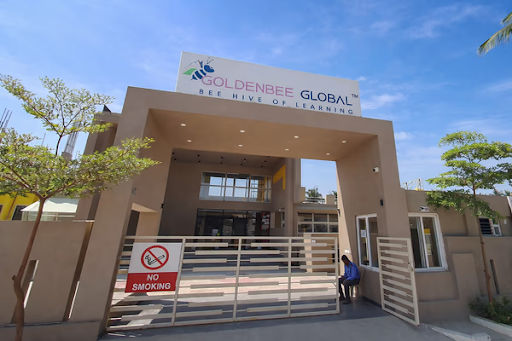
Now let's examine how theory translates into practice. Goldenbee Global School in Horamavu demonstrates what comprehensive inclusive education looks like when properly implemented with dedicated resources and genuine commitment.
Established in Horamavu, Bangalore, Goldenbee Global School (GBGS) offers CBSE, ICSE, ISC, and Cambridge curriculum programs. The school's strategic location makes it accessible to families across Bangalore seeking genuinely inclusive education built on one core belief—every child deserves education tailored to their unique potential.
Drawing from Dr Howard Gardner's Theory of Multiple Intelligences, GBGS recognises that intelligence manifests in many forms—linguistic, logical-mathematical, spatial, musical, bodily-kinesthetic, interpersonal, intrapersonal, and naturalistic—all equally valuable.
GBGS operates a comprehensive Personalised Learning Centre staffed with specialised educators and counsellors. The PLC creates Individualised Education Plans and Individualised Counselling Plans for students with special needs, ensuring targeted support from day one.
The admission process includes careful screening—informal interactions for younger students and competency tests for older ones—identifying learning needs early. The PLC team uses diagnostic tools and behavioural modification techniques to develop both academic and social-emotional skills.
GBGS maintains a 1:10 teacher-student ratio at the primary level and 1:24 at the secondary level—significantly lower than conventional schools. This allows teachers to know each child individually, understand their learning style, and provide personalised guidance that makes a real difference.
When classes are smaller, teachers notice when someone struggles and can intervene immediately, preventing small learning gaps from becoming insurmountable obstacles.
The school integrates design thinking throughout its curriculum, encouraging students to connect classroom learning with real-world problem-solving. Through well-researched projects, field trips, and culminating activities, students demonstrate understanding in multiple ways—presentations, models, performances, or written work.
These culminating activities showcase diverse talents and celebrate progress rather than comparing students against arbitrary standards, building confidence across all learner types.
GBGS invests heavily in faculty development. Teachers attend CISCE Council Training annually, Cambridge International Education training, and specialised sessions for inclusive education. The school participates in MISA Training and AISM cell meetings, ensuring alignment with global best practices.
Special educators and counsellors receive targeted training throughout the year from various specialised agencies. This continuous professional development ensures the team stays current with an evolving understanding of learning differences.
The school's infrastructure practically supports inclusive education. Smart classrooms with interactive panels accommodate different learning modalities. Well-equipped laboratories allow hands-on exploration. The library offers diverse resources, including audiobooks and digital materials. A dedicated counselling centre provides a quiet space for individual sessions.
GBGS doesn't view inclusion as accommodating some students within a system designed for others. The entire school is designed around celebrating diversity. The "Bee Hive of Learning" concept emphasises that education happens through community and collaboration.
Regular parent-teacher interactions ensure families remain actively involved. Through its combination of specialised support systems, optimal class sizes, trained faculty, and inclusive infrastructure, Goldenbee Global School demonstrates what modern inclusive education achieves when implemented comprehensively with genuine commitment to every child's success.
Ready to experience an educational environment where your child's unique potential is truly recognised and nurtured? Visit Goldenbee Global School in Horamavu to see inclusive education in action, or reach out to learn how the school's Personalised Learning Centre can support your child's specific needs.
For more information on this and other such schools in the area, check out this list of the best schools in Bangalore.


 as a preferred source on