









Have you ever wondered what truly defines a great classroom in the 21st century? It’s no longer a space where one teaching style fits all, but one where every student, regardless of ability, background, or pace, feels valued, supported, and capable of success. The modern classroom thrives on inclusion, where education isn’t about uniformity but about understanding and celebrating diversity.
At Federal Public School, Yelahanka, one of the best schools in Bangalore, this philosophy forms the heart of its educational mission. The school believes that when students learn in an atmosphere of empathy, equality, and acceptance, they develop the confidence to discover their true potential.
In this article, we’ll explore how inclusive classrooms nurture academic excellence, emotional intelligence, and a deep respect for diversity, empowering students not just to learn but to grow as compassionate, capable citizens of tomorrow.
Also Read | Building Life Skills: The Power of FPS's Specialized Programs
Why Inclusive Classrooms Matter

Inclusive education is not just an ideal; it's a necessity for building compassionate societies. According to UNESCO, over 90% of children with disabilities in developing countries still lack access to formal education. Inclusion changes this by opening doors to equality, empathy, and opportunity.
- Equity in education: Every child, regardless of learning needs, disability, or pace, has the right to quality learning alongside peers.
- Improved outcomes: Research shows that mixing diverse learners in the same classroom with proper support improves not just social skills, but academic achievement and engagement.
- Real-world preparation: Inclusive settings mirror the diversity of society outside school, helping children develop empathy, collaboration, and respect for differences.
- Stronger self-concept: Students who are included rather than segregated develop stronger self-esteem and a sense of agency.
Core Features of an Inclusive Classroom

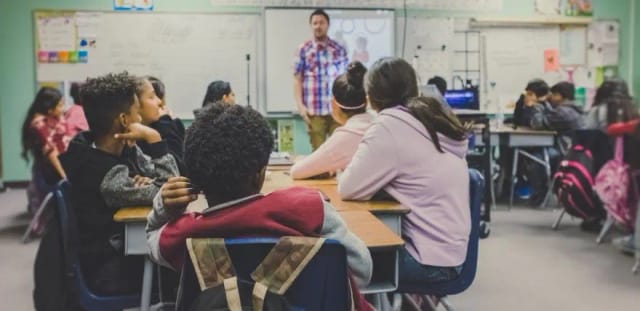
Together, these features create a classroom where no student is left behind because of pace, profile, or prior mastery. What does inclusion look like in practice? Here are key practices that support inclusive teaching and learning:
- Differentiated instruction: Teachers plan lessons with multiple pathways so that while one group is doing a standard task, another may receive scaffolded resources or alternative activities.
- Flexible grouping: Students work in mixed-ability groups, peer pairs, and varied teams, so learning is not fixed by ability, and students support each other.
- Adaptive resources & assistive technologies: From audio readers to visual supports and alternative input devices, equipment helps learners access the same core curriculum.
- Collaborative teaching: Co-teaching models (mainstream teacher + special educator) or specialist pull-ins help meet individual needs without isolating students.
- Positive classroom culture: Emphasis on respect, diverse learning styles celebrated, and social-emotional learning embedded so students feel safe and accepted.
How Schools Can Foster Inclusion
Inclusive classrooms don’t just happen; they are built intentionally through thoughtful planning and continuous collaboration.
Steps Schools Can Take:
- Create a Culture of Acceptance: Start by building awareness through assemblies, workshops, and classroom discussions on diversity and empathy.
- Invest in Teacher Training: Equip educators with strategies for differentiated instruction, behaviour management, and emotional support.
- Integrate Assistive Technology: Ensure accessibility through digital tools, sensory corners, and visual aids.
- Encourage Peer Support: Establish buddy systems and mentoring programs that help students learn from one another.
- Measure Progress Holistically: Assess growth through effort, participation, and collaboration, not just test scores.
The Role of Parents in Inclusion
Inclusion doesn’t end at the school gate; it continues at home. Parents are vital partners in nurturing emotional confidence and self-acceptance.
Steps Parents Can Take:
- Normalize Differences: Teach children that everyone learns differently, and that diversity is a strength, not a limitation.
- Encourage Empathy: Use stories, real-life examples, and daily experiences to discuss kindness, respect, and cooperation.
- Communicate with Teachers: Stay informed about your child’s emotional and academic progress, and share strategies that work at home.
- Foster Emotional Security: Create a safe space for children to express feelings without judgment.
- Model Inclusion: Demonstrate inclusive behaviour through words and actions. Children learn best by example.
When schools and parents align their efforts, children grow up feeling supported, respected, and capable of contributing meaningfully to the world around them.
Check Out | Creating an inclusive education program for children with learning disabilities
Federal Public School, Yelahanka: Where Inclusion Inspires Excellence
Federal Public School, Yelahanka, established in 2010, is one of the best ICSE schools in Bangalore known for its progressive learning environment and inclusive ethos. With its vision of “Education for All, Growth for Each,” the school ensures that every learner, irrespective of background or learning ability, is empowered to succeed.

The school integrates inclusive education practices across its curriculum, combining academic rigour with emotional support and individualized attention. Teachers adopt differentiated instruction, counselling support, and peer-based mentoring to create a space where every student feels valued. The campus features adaptive classrooms, digital resources, and a low student–teacher ratio, ensuring personalized care for all learners.
Through workshops, awareness drives, and skill-based programs, the school cultivates empathy, compassion, and confidence among students. Here, education is not about comparison but connection, proving that inclusive classrooms don’t just teach lessons; they transform lives.
For more information on this and other similar schools in the area, check out this list of the best schools in Bangalore








 as a preferred source on