







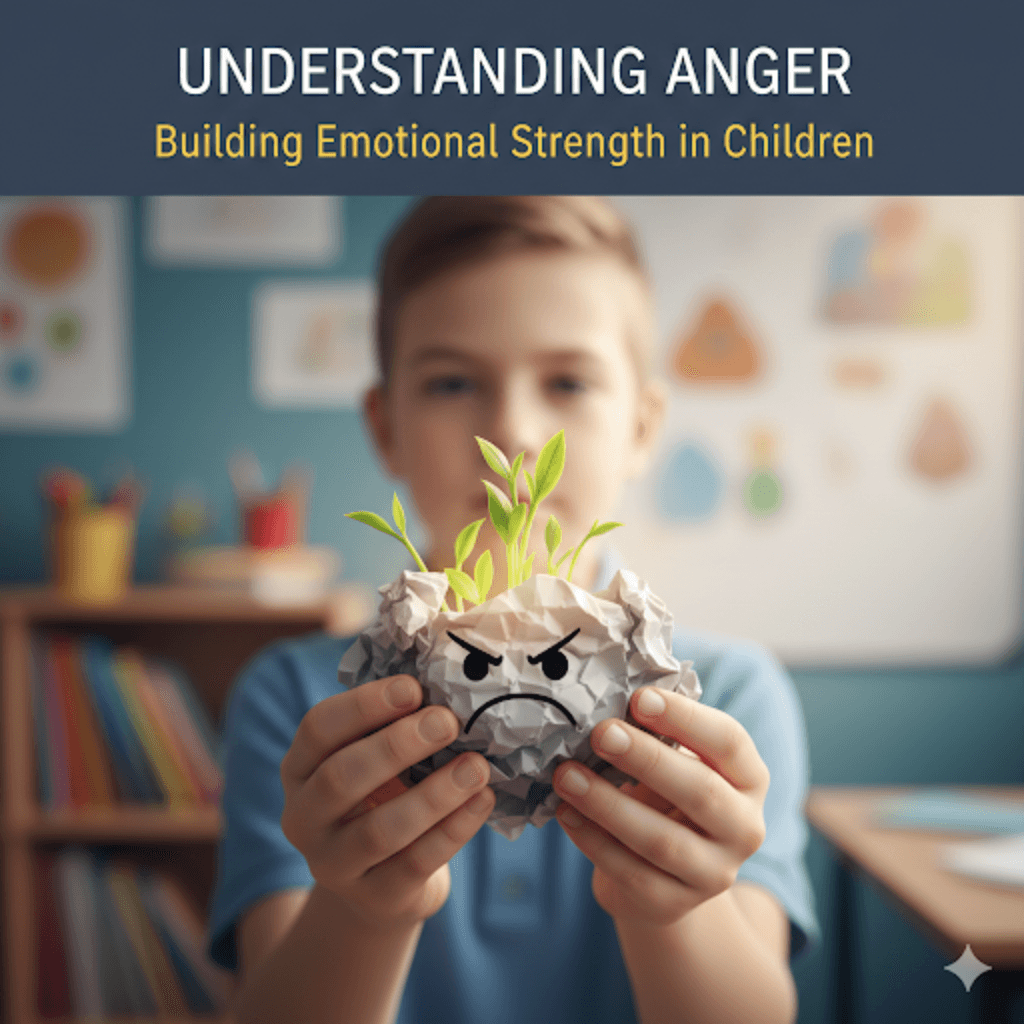

Anger is one of the most powerful and misunderstood emotions that humans experience. Often viewed negatively, anger is not inherently harmful; it is a completely natural response to frustration, injustice, fear, or unmet needs. When understood and managed effectively, anger can serve as a signal for growth, self-reflection, and positive change. However, when left unaddressed or expressed in unhealthy ways, it can affect relationships, learning, mental health, and overall well-being.
In today’s fast-paced world, where children and adolescents face academic pressures, social expectations, digital overload, and emotional challenges, learning how to recognise and manage anger has become an essential life skill rather than an optional one.
What Is Anger and Why Do We Feel It?

Anger is a basic emotional response triggered when we perceive a threat, experience unfair treatment, or feel blocked from achieving something important. It is closely linked to our instinct for self-protection and boundary-setting. From a psychological perspective, anger alerts us that something in our environment or within ourselves needs attention.
The problem arises not from feeling angry, but from how anger is expressed. Suppressed anger may turn inward, causing stress, anxiety, or withdrawal, while uncontrolled anger can lead to aggression, conflict, and regret. Understanding anger, therefore, begins with awareness, recognising what we feel, why we feel it, and how it influences our actions.
Also Read| How Future Anxiety and Exam Stress are Balanced in Students
Different Styles of Anger Expression
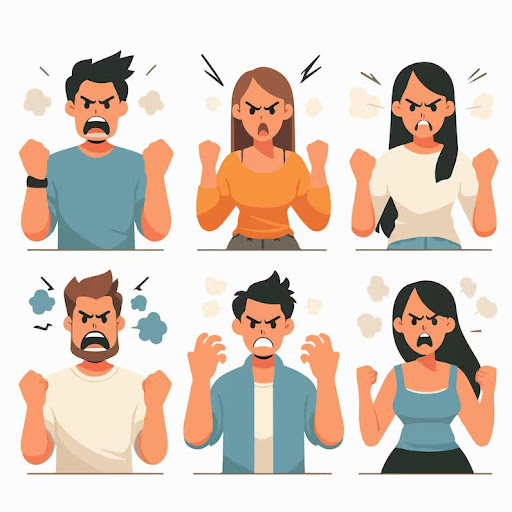
People express anger in different ways, often shaped by personality, upbringing, and environment. Educational anger-management frameworks commonly identify distinct anger styles, each with its own challenges.
1. Masked or Hidden Anger
Some individuals do not openly express anger or may not even recognise it in themselves. Instead, it appears indirectly through sarcasm, procrastination, passive resistance, or emotional withdrawal. While this may seem harmless, masked anger can slowly erode self-esteem and relationships over time.
2. Explosive Anger
This style involves sudden, intense emotional outbursts. Individuals may shout, lash out verbally, or react impulsively when overwhelmed. Explosive anger is often followed by guilt or remorse and can damage trust and communication if it becomes a pattern.
3. Chronic Anger
Chronic anger is long-standing and persistent. People experiencing it may hold grudges, replay past events repeatedly, or maintain a general sense of bitterness. This type of anger is especially harmful because it affects emotional health, focus, and overall outlook on life.
Recognising one’s anger style is a critical first step in managing it effectively. Self-reflection tools, such as anger-style questionnaires and guided discussions, help individuals develop emotional insight and accountability.
Also Read | Why Emotional Safety Matters in Preschool
The Importance of Anger Management Skills
Learning to manage anger is not about suppressing emotions; it is about expressing them constructively. Effective anger management helps individuals:
- Communicate feelings clearly and respectfully
- Resolve conflicts without aggression
- Improve concentration and decision-making
- Strengthen emotional resilience
- Build healthier relationships
For children and adolescents, these skills are especially important. Emotional regulation directly influences academic performance, peer interactions, classroom behaviour, and self-confidence. When students learn how to handle strong emotions early in life, they are better prepared to navigate future challenges.
Healthy Strategies to Manage Anger

Anger management involves a combination of emotional awareness, cognitive skills, and behavioural techniques. Some of the most effective strategies include:
1. Identifying Triggers
Understanding what causes anger, such as criticism, pressure, unfairness, or feeling unheard, allows individuals to anticipate emotional reactions and respond thoughtfully rather than reactively.
2. Pausing Before Reacting
A simple pause can prevent impulsive behaviour. Stepping away from a situation, counting slowly, or taking a few deep breaths gives the brain time to calm down and regain perspective.
3. Relaxation and Mindfulness Techniques
Deep breathing, mindfulness exercises, and physical movement help release tension stored in the body. These practices lower stress levels and improve emotional balance over time.
4. Assertive Communication
Healthy anger expression involves speaking honestly without blaming or attacking others. Using “I” statements, such as “I feel frustrated when…”, encourages understanding and reduces conflict.
5. Reflection and Journaling
Writing about anger-provoking situations helps individuals identify patterns, track emotional growth, and develop healthier coping strategies.
Why Schools Play a Crucial Role in Emotional Development
Schools are more than centres of academic instruction; they are social ecosystems where children learn how to manage emotions, resolve conflicts, and interact with others. When schools actively support emotional learning, students feel safer, more confident, and more engaged.
Integrating anger management and emotional literacy into education helps students:
- Develop empathy and self-control
- Handle peer conflicts constructively
- Improve classroom behaviour and focus
- Build lifelong emotional intelligence
This holistic approach prepares students not only for examinations but for real-world challenges.
Podar Global School Bangalore: Nurturing Emotional Intelligence

At Podar Global School Bangalore, education extends beyond textbooks and grades. The school strongly believes in nurturing the whole child, academically, socially, and emotionally. Recognising that emotional well-being plays a vital role in learning and personal development, Podar Global School integrates life skills education into its broader educational philosophy.
Through structured programs, classroom discussions, and guided activities, students are encouraged to understand their emotions, identify behavioural patterns, and develop healthy coping mechanisms. Topics such as emotional awareness, self-regulation, empathy, and anger management form an essential part of this learning journey.
Resources like anger-management worksheets and self-assessment tools allow students to reflect on how they experience and express anger. Such tools promote self-awareness and responsibility, empowering students to take ownership of their emotional responses rather than feeling controlled by them.
Teachers at Podar Global School Bangalore act not only as academic mentors but also as emotional guides, helping students navigate challenges with understanding and support. This nurturing environment fosters emotional safety, mutual respect, and positive communication, key ingredients for both academic success and personal growth.
Creating Emotionally Resilient Learners
By combining strong academic foundations with emotional education, Podar Global School Bangalore prepares students to face life with confidence and resilience. When children learn that anger is a normal emotion and that it can be managed constructively, they develop healthier relationships with themselves and others.
Anger management education teaches students that emotions are not weaknesses but signals. When understood correctly, these signals can guide better decisions, stronger boundaries, and more compassionate interactions.
Conclusion
Anger is an inevitable part of the human experience, but it does not have to be destructive. With awareness, guidance, and practice, anger can become a powerful tool for self-understanding and growth. Teaching children how to recognise and manage anger equips them with skills that extend far beyond the classroom.
By embracing holistic education and prioritising emotional intelligence, institutions like Podar Global School Bangalore play a vital role in shaping balanced, confident, and emotionally resilient individuals or students who are prepared not just for exams, but for life itself.
For more information on this and other such schools in the area, check out this list of the best schools in Bangalore.









 as a preferred source on