







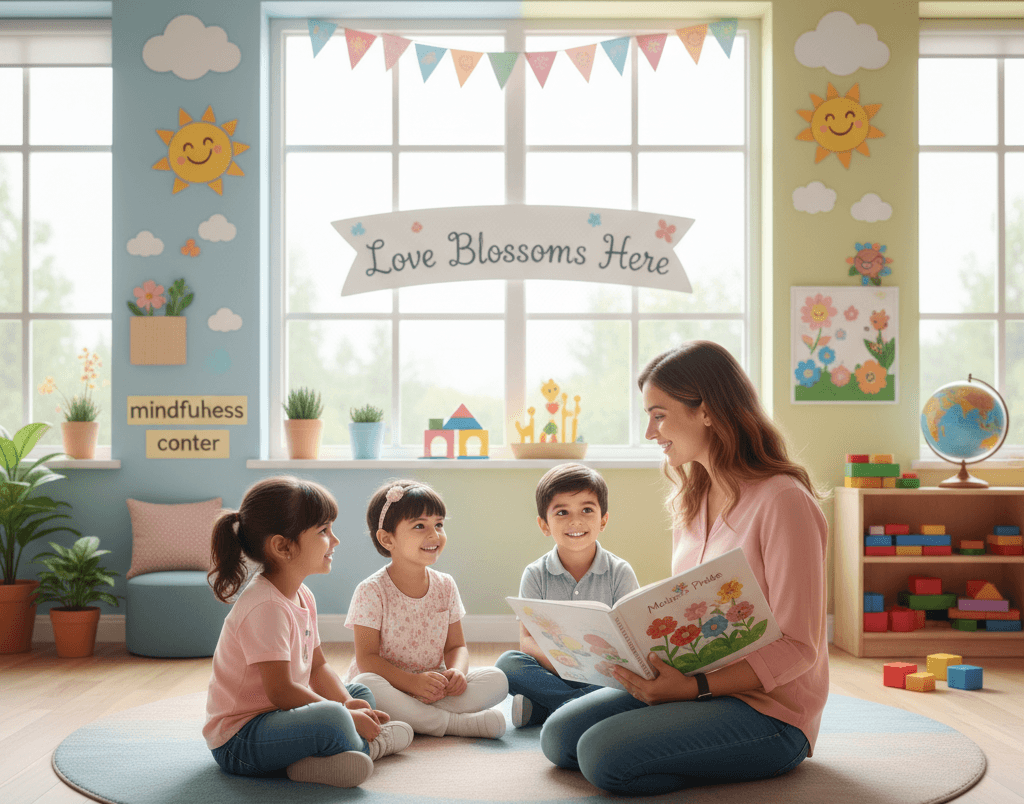

Emotional safety forms the cornerstone of effective early childhood education, creating an environment where young minds can flourish without fear of judgment or rejection. Research consistently shows that children who feel emotionally secure demonstrate better cognitive development, stronger social skills, and enhanced creativity in their learning journey.
Mother's Pride School, one of the best schools in Dwarka, exemplifies this approach through their "Love Blossoms Here" philosophy, demonstrating how nurturing environments directly impact educational outcomes. When children feel valued and supported, they naturally become more curious, confident, and willing to explore new concepts.
In this article, we explore the scientific foundation of emotional safety in preschools, examine how trust-building enhances learning experiences, discuss the importance of encouraging healthy risk-taking, and analyse the long-term benefits of emotionally secure early education environments.
Also Read | Creating Happy, Curious Learners to Inspire Young Minds
The Science Behind Emotional Safety in Early Years
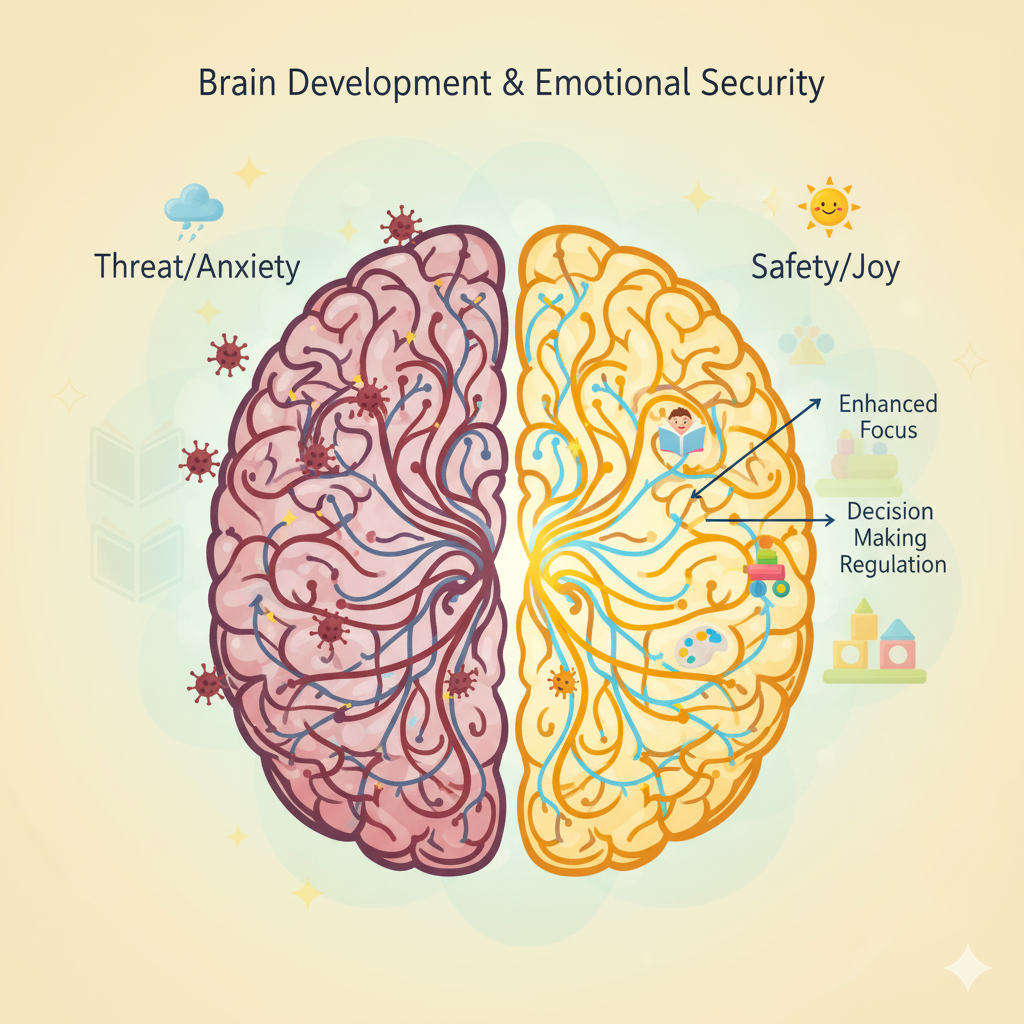
Understanding the neurological and psychological foundations helps educators create environments that support optimal brain development and learning capacity.
Brain Development and Emotional Security
Young children's brains are incredibly malleable, with emotional experiences directly influencing neural pathway formation. When children feel threatened or anxious, stress hormones like cortisol interfere with memory consolidation and cognitive processing. Conversely, emotionally secure environments promote the release of positive neurochemicals that enhance learning capacity.
Research demonstrates that children in supportive settings develop stronger prefrontal cortex functioning, improving their ability to focus, make decisions, and regulate emotions effectively throughout their academic journey.
Creating Neural Pathways for Lifelong Learning
Positive emotional experiences in preschool create lasting neural connections that influence future learning approaches. Children who associate education with safety and joy develop intrinsic motivation for knowledge acquisition.
These early neural patterns establish foundation frameworks for curiosity, creativity, and resilience. When learning feels emotionally rewarding, children naturally seek out new challenges and maintain engagement even when facing difficulties.
Building Trust: The Foundation of Effective Learning

Trust between children, educators, and peers creates the psychological safety net necessary for meaningful educational experiences and authentic relationship development.
Teacher-Child Relationships
Strong educator-child bonds provide the security children need to express themselves authentically and take intellectual risks. When teachers demonstrate consistent warmth, patience, and understanding, children feel comfortable asking questions, admitting confusion, and exploring complex ideas.
Emotional attunement from educators helps children develop self-awareness and emotional vocabulary, essential skills for lifelong social success and personal growth.
Peer Interactions and Social Safety
Creating inclusive classroom environments where every child feels valued promotes healthy peer relationships and collaborative learning. Children learn empathy, sharing, and conflict resolution through guided social interactions.
- Establishing clear classroom expectations that prioritise kindness and respect
- Implementing circle time discussions that validate diverse perspectives and experiences
- Creating opportunities for cooperative activities that highlight each child's unique strengths
- Teaching emotional literacy through storytelling and role-playing exercises
Encouraging Healthy Risk-Taking Through Emotional Support
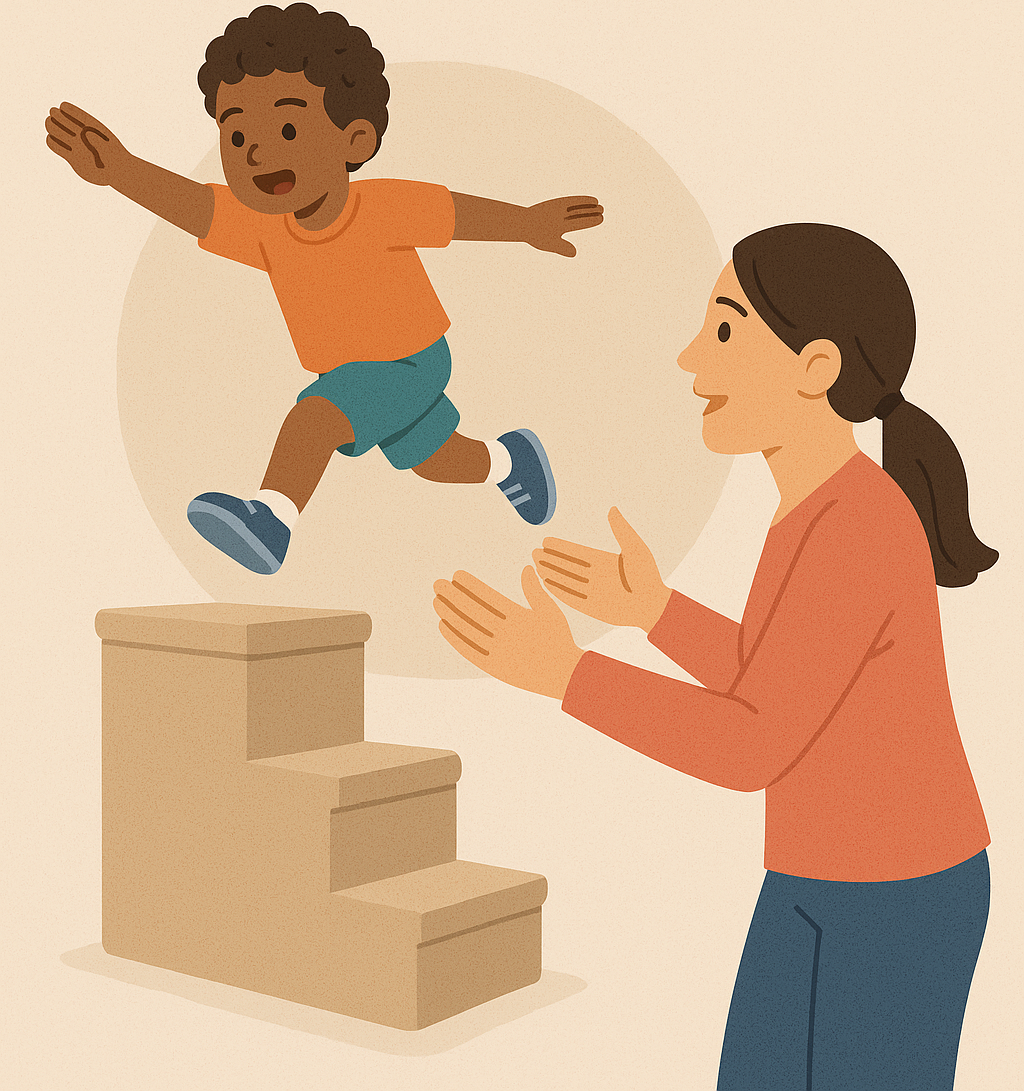
Emotional safety paradoxically enables children to take appropriate risks, knowing they have supportive adults ready to guide them through challenges and celebrate their efforts.
Academic Risks
When children feel emotionally secure, they willingly attempt challenging tasks, ask complex questions, and experiment with creative solutions. This psychological safety transforms potential failures into valuable learning opportunities.
Educators who celebrate effort over outcome encourage children to view mistakes as natural parts of the learning process, fostering growth mindsets that serve them throughout their educational careers.
Social and Physical Exploration
Emotionally safe environments encourage children to develop independence while maintaining a connection to supportive adults. This balance helps children build confidence in their abilities while knowing help is available when needed.
Structured free play opportunities allow children to navigate social dynamics, resolve conflicts, and discover their interests within a framework of emotional support and guidance.
Long-term Benefits of Emotionally Secure Preschool Experiences
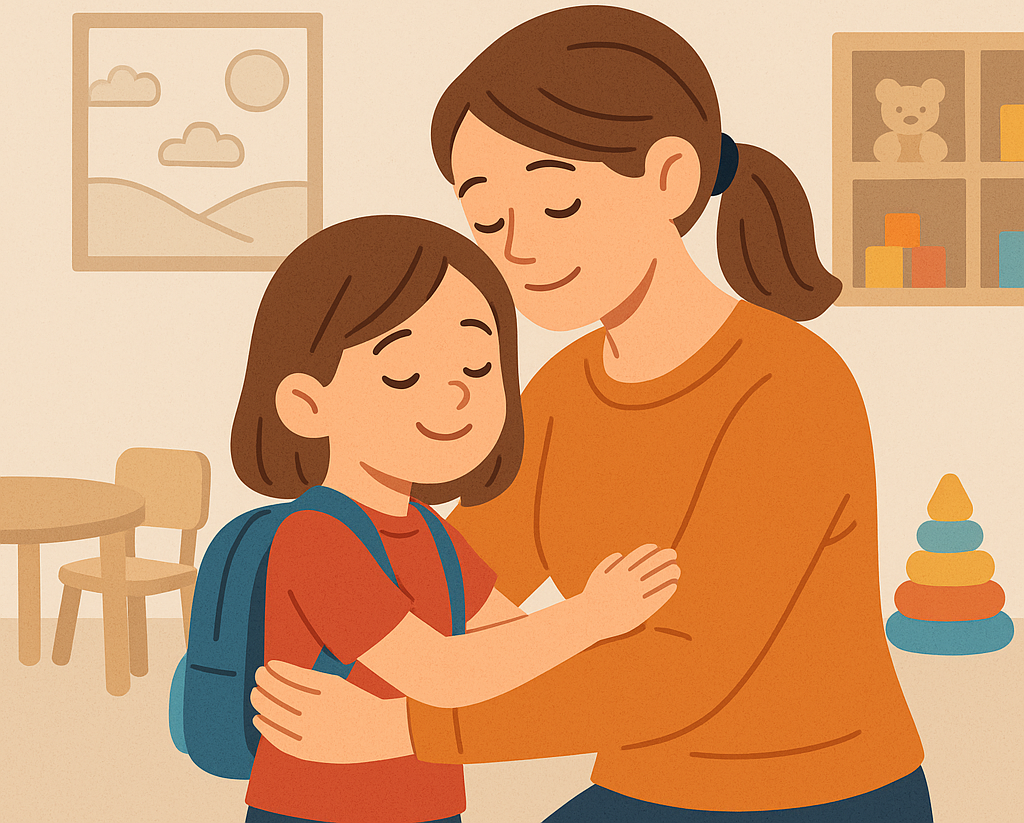
Early emotional safety investments yield dividends throughout children's academic and personal development, creating foundations for lifelong success and well-being.
Academic Achievement
Studies consistently link early emotional security with higher academic performance in elementary and secondary education. Children who experienced nurturing preschool environments demonstrate stronger reading comprehension, mathematical reasoning, and scientific inquiry skills.
- Enhanced memory retention and recall abilities
- Improved attention spans and focus during challenging tasks
- Greater persistence when encountering academic obstacles
- Higher levels of intrinsic motivation for learning
Social-Emotional Skills
Emotionally secure preschool experiences develop crucial life skills that extend far beyond academic achievement. Children learn to navigate relationships, manage emotions, and contribute positively to their communities.
These foundational skills include empathy development, effective communication, conflict resolution, and leadership qualities that serve them throughout their personal and professional lives.
Check Out | Why Joyful Learning Shapes Smarter Kids
Mother's Pride School, Sector 17, Dwarka: Where Love Blossoms and Learning Thrives

Mother's Pride School, located in Sector 17, Dwarka, Delhi, stands as a premier early childhood education institution with over 30 years of educational excellence. The school serves children from 18 months to 4 years through specialised programs including Mom & I, Play Group, Pre-Nursery, and Nursery levels.
Under the visionary leadership of Honorary Chairperson Mrs Sudha Gupta, the institution has received over 100 national and international awards for educational innovation. The school's "Love Blossoms Here" philosophy and "Curriculum of Love" have gained international recognition for transforming early childhood education approaches.
One of the best preschools in Delhi, Mother’s Pride School integrates multiple proven pedagogical approaches, including Reggio Emilia, Montessori, play-based learning, and experiential education methodologies. This comprehensive approach ensures every child receives personalised attention within a framework that celebrates individual strengths while building essential life skills.
State-of-the-art facilities, including Art & Innovation Labs, Language Labs, Nature's Labs, and Holistic Development Centres, create immersive learning environments. Specialised spaces like mindfulness corners, sensory gardens, and settling zones demonstrate the school's commitment to emotional well-being alongside academic excellence, truly embodying their philosophy that when children feel loved and secure, extraordinary learning naturally follows.
For more information on this and other such schools in the area, check out this list of the best schools in Dwarka, Delhi.













 as a preferred source on