







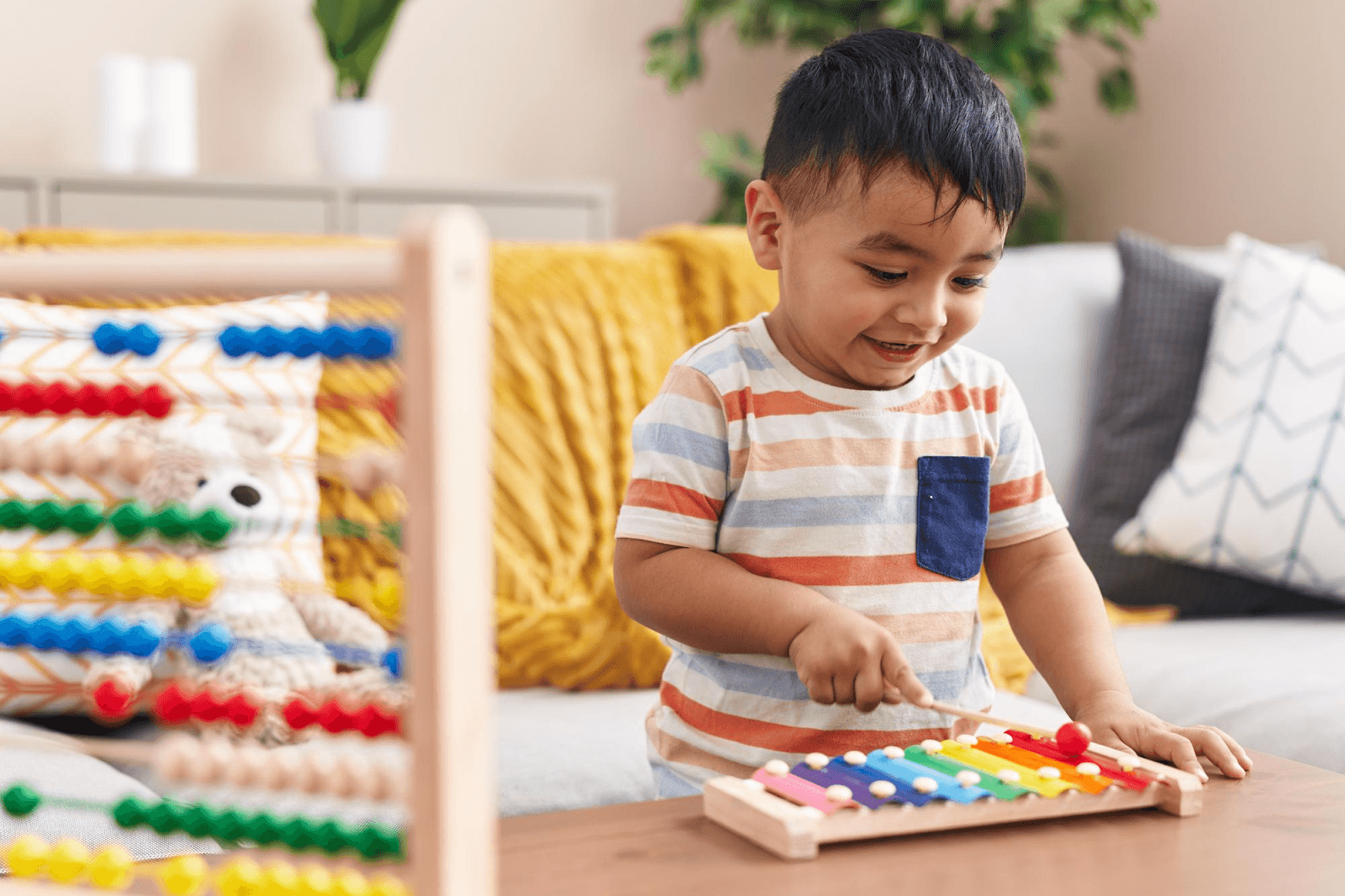

Deciding when your child is ready for preschool represents one of the most significant parenting decisions. The transition from home to a structured learning environment marks a crucial milestone in your child's development journey.
At Mother's Pride School, one of the best schools in Dwarka, Delhi, educators witness this transformation daily as children blossom from hesitant toddlers into confident learners. With over 30 years of experience in early childhood education, the institution understands the delicate balance required for successful preschool readiness.
In this article, we explore the key developmental indicators that signal preschool readiness, examine the benefits of timely enrollment, and address common parental concerns about this important transition.
Also Read | Why Emotional Safety Matters in PreschoolWhy Ages 2-3 Are Called the "Miracle Years"
These formative years witness unprecedented growth across all developmental domains. Understanding this rapid transformation helps parents recognise optimal enrollment timing.
Brain Development Explosion
Between ages 2-3, children's brains form neural connections at an astounding rate. Language acquisition accelerates dramatically, with vocabulary expanding from 50 words to over 1,000 words. This neurological growth creates ideal conditions for structured learning experiences that preschool environments provide.
Physical Coordination Advances
Motor skills develop rapidly during this period. Children master walking, running, and basic coordination tasks. Fine motor abilities emerge, enabling them to manipulate small objects, scribble with crayons, and attempt self-feeding. These physical milestones indicate readiness for preschool activities.
Emotional Awareness Emerges
Self-recognition develops as children begin understanding themselves as separate individuals. They start expressing preferences, showing independence, and demonstrating curiosity about their surroundings. This emotional growth signals readiness for social interactions with peers.Essential Signs Your Child Is Ready for Preschool
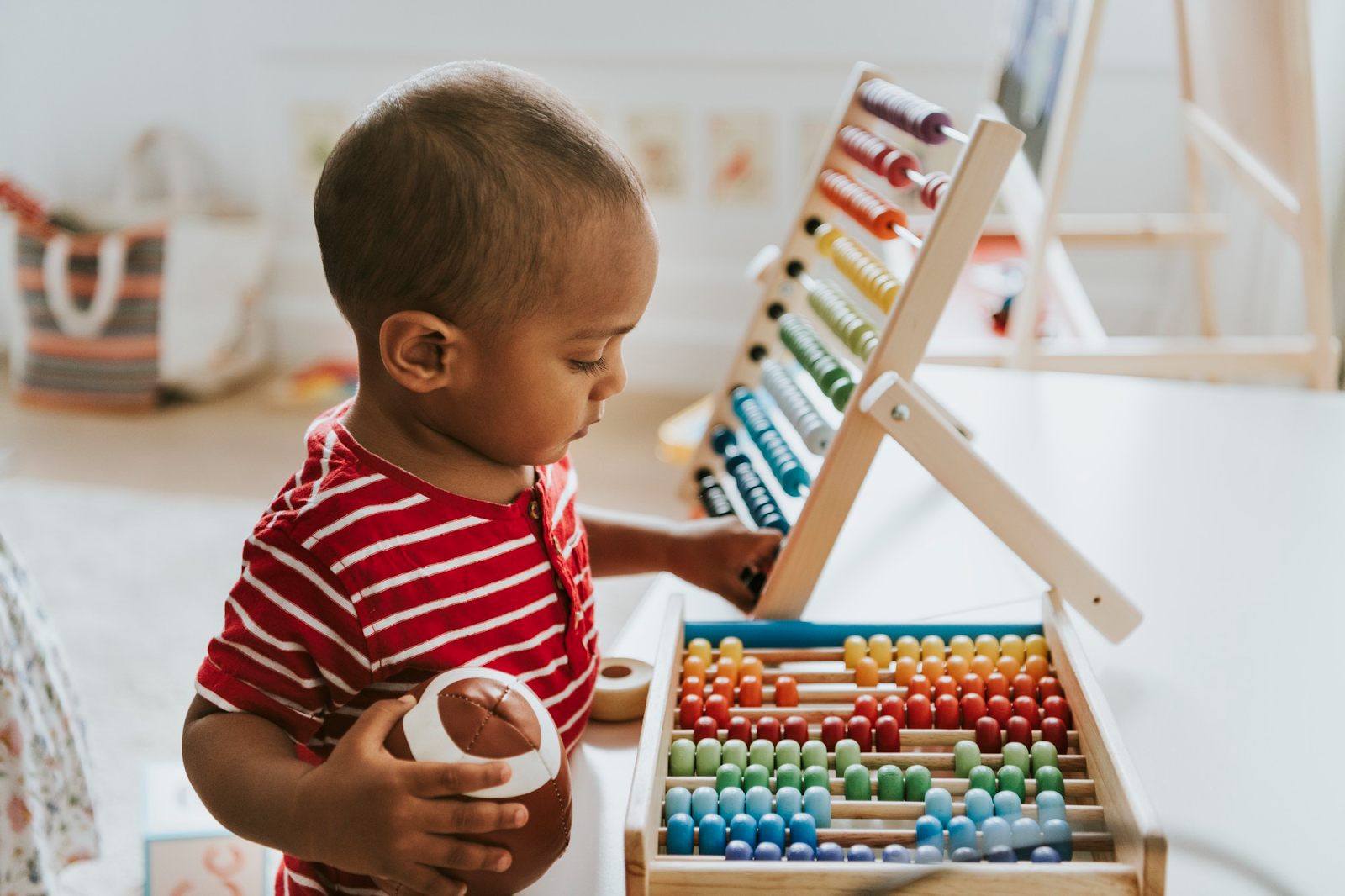
Recognising developmental readiness involves observing multiple indicators across cognitive, social, and physical domains. Each child progresses uniquely, making individual assessment crucial.
Cognitive Development Indicators
Children demonstrate preschool readiness through improved attention spans and following simple instructions. They show interest in books, attempt problem-solving independently, and exhibit curiosity about learning new concepts. Memory development becomes evident as they recall familiar songs, stories, or routines.
Language and Communication Skills
- Vocabulary expansion beyond basic words
- Understanding and following two-step instructions
- Expressing needs verbally rather than through tantrums
- Showing interest in books and storytelling
- Beginning to engage in simple conversations
Social-Emotional Readiness
Children begin showing interest in other children and demonstrate basic sharing behaviours. They can separate from parents for short periods without excessive distress. Emotional regulation improves, with fewer tantrums and better coping strategies when frustrated or disappointed.
Physical Independence Markers
- Toilet training progress or completion
- Self-feeding abilities with minimal assistance
- Basic self-care skills like washing hands
- Physical stamina for 2-3 hour activities
- Coordination for simple playground equipment
Benefits of Timely Preschool Enrollment
Starting preschool at the appropriate developmental stage maximises educational benefits. Early enrollment when children aren't ready can create negative associations with learning.
- Social Skill Development: Preschool environments provide structured opportunities for peer interaction. Children learn sharing, turn-taking, and conflict resolution through guided play experiences. These social foundations prove essential for future academic and personal success.
- Communication Enhancement: Exposure to diverse vocabulary and structured conversations accelerates language development. Teachers trained in early childhood education recognise communication milestones and provide appropriate stimulation. Group activities encourage verbal expression and listening skills.
- Independence Building: Preschool routines encourage self-reliance while maintaining safety and support. Children learn to manage personal belongings, follow schedules, and make simple decisions independently. This gradual independence-building prepares them for formal schooling transitions.
Addressing Common Parental Concerns
Understanding typical worries helps parents make informed decisions. Most concerns stem from natural protective instincts rather than actual readiness indicators.
- Separation Anxiety Management: Gradual separation practice helps both parents and children adjust to preschool transitions. Start with brief separations in familiar environments before attempting longer preschool sessions. Consistent routines and positive communication about school experiences reduce anxiety levels.
- Academic Pressure Misconceptions: Quality preschools focus on social-emotional development rather than academic achievement. Play-based learning approaches ensure children develop foundational skills without premature academic pressure. Early childhood education emphasises exploration, creativity, and natural curiosity rather than formal instruction.
- Individual Development Variations: Children develop at different rates across various domains. Some may excel verbally while struggling with physical coordination. Others might demonstrate strong social skills but need additional cognitive support. Quality preschools accommodate these individual differences through personalised approaches.
Making the Transition Smooth
Preparation strategies ease the adjustment period for both children and families. Gradual introduction to preschool routines creates positive associations with learning environments.
Home Preparation Strategies
Establish routines that mirror preschool schedules, including structured activity times and rest periods. Practice independence skills like using the bathroom, washing hands, and putting on shoes. Create positive associations with school through books, role-playing, and discussions about learning adventures.
Communication Approaches
Maintain open dialogue about preschool experiences using positive language. Address concerns honestly while emphasising exciting aspects of learning and friendship opportunities. Regular communication with teachers ensures consistent approaches between home and school environments.
Check Out | The Inclusive Power of Online LearningMother's Pride School, Sector 17, Dwarka: Where Love Blossoms and Learning Begins
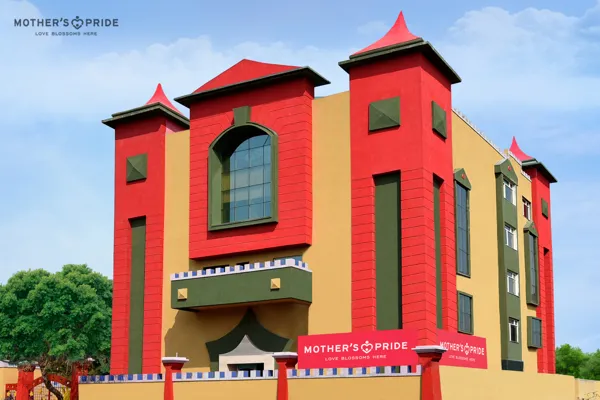
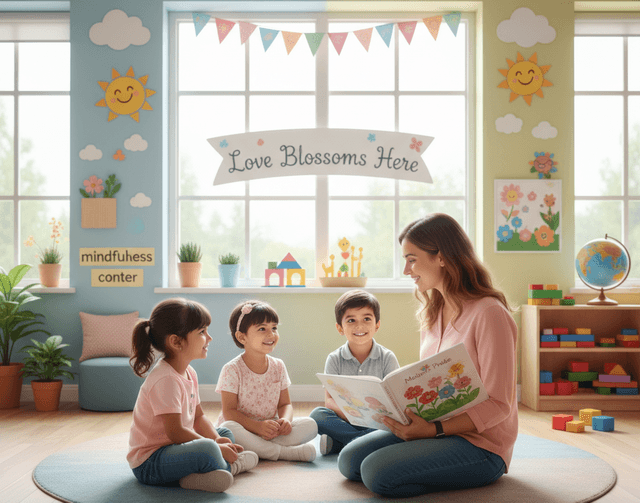
Mother's Pride School stands as a testament to quality early childhood education in Dwarka, Delhi. With over three decades of experience, the institution has revolutionised preschool education through its innovative "Curriculum of Love" philosophy.
One of the best preschools in Delhi, Mother’s Pride School offers comprehensive programs from Mom & I sessions for toddlers to Nursery programs for 4-year-olds. Each program addresses specific developmental needs while maintaining the core philosophy that love forms the foundation of effective learning.
Under the guidance of internationally recognised educator Ms Sudha Gupta, Mother's Pride has earned over 100 national and international awards. The school's holistic development approach encompasses cognitive, language, socio-emotional, physical, and creative growth through specialised facilities.
State-of-the-art infrastructure includes Art & Innovation Labs, Language Labs, Nature's Labs, and Holistic Development Centres. These facilities support diverse learning styles while maintaining child-friendly environments that encourage exploration and creativity. The school's commitment to transforming education, parenting practices, and societal values creates a nurturing community for families.
For more information on this and other such schools in the area, check out this list of the best schools in Dwarka, Delhi.








 as a preferred source on