







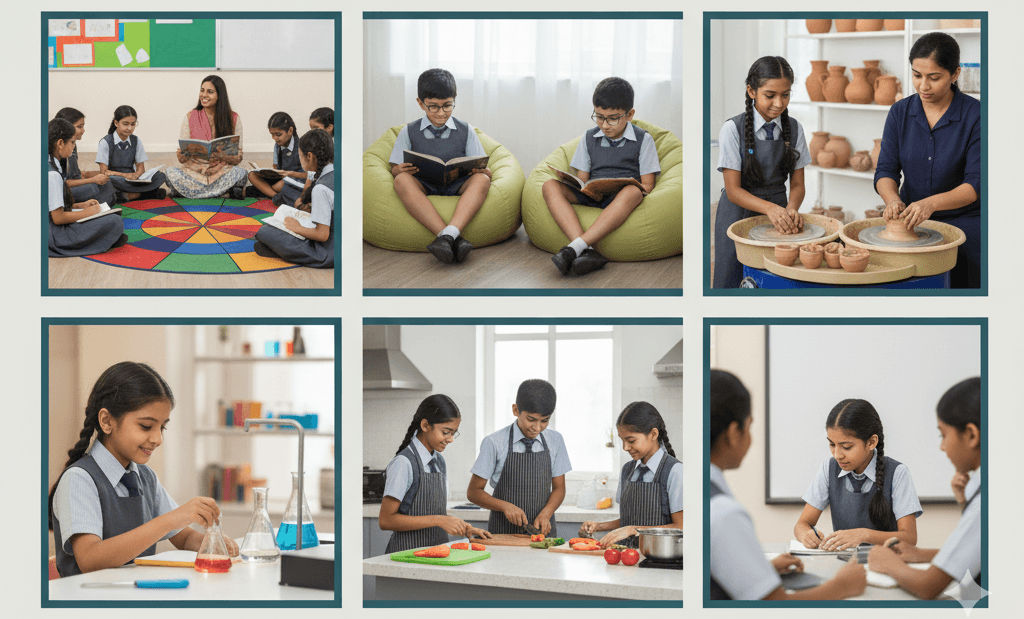

In today's rapidly evolving world, education extends far beyond textbooks and examinations. The most successful educational institutions understand that building essential life skills requires a carefully orchestrated daily schedule that nurtures emotional intelligence, critical thinking, and practical competencies hour by hour.
A well-structured school day serves as the foundation for developing crucial life skills in students. When educational institutions design their daily schedules with intentional activities that foster empathy, patience, teamwork, and curiosity, they create an environment where character development happens naturally alongside academic learning. One of the best schools in Noida, Ramagya School, exemplifies this approach through its innovative daily structure that includes specialised sessions like "Circle Time," "DEAR Time," and hands-on pottery sessions designed to build specific life competencies.
This article explores how strategic time management in schools can transform routine hours into powerful skill-building opportunities, examining the science behind structured learning environments and their impact on student development.
Also Read | Shaping Professional Identities in StudentsThe Science Behind Structured Learning Environments
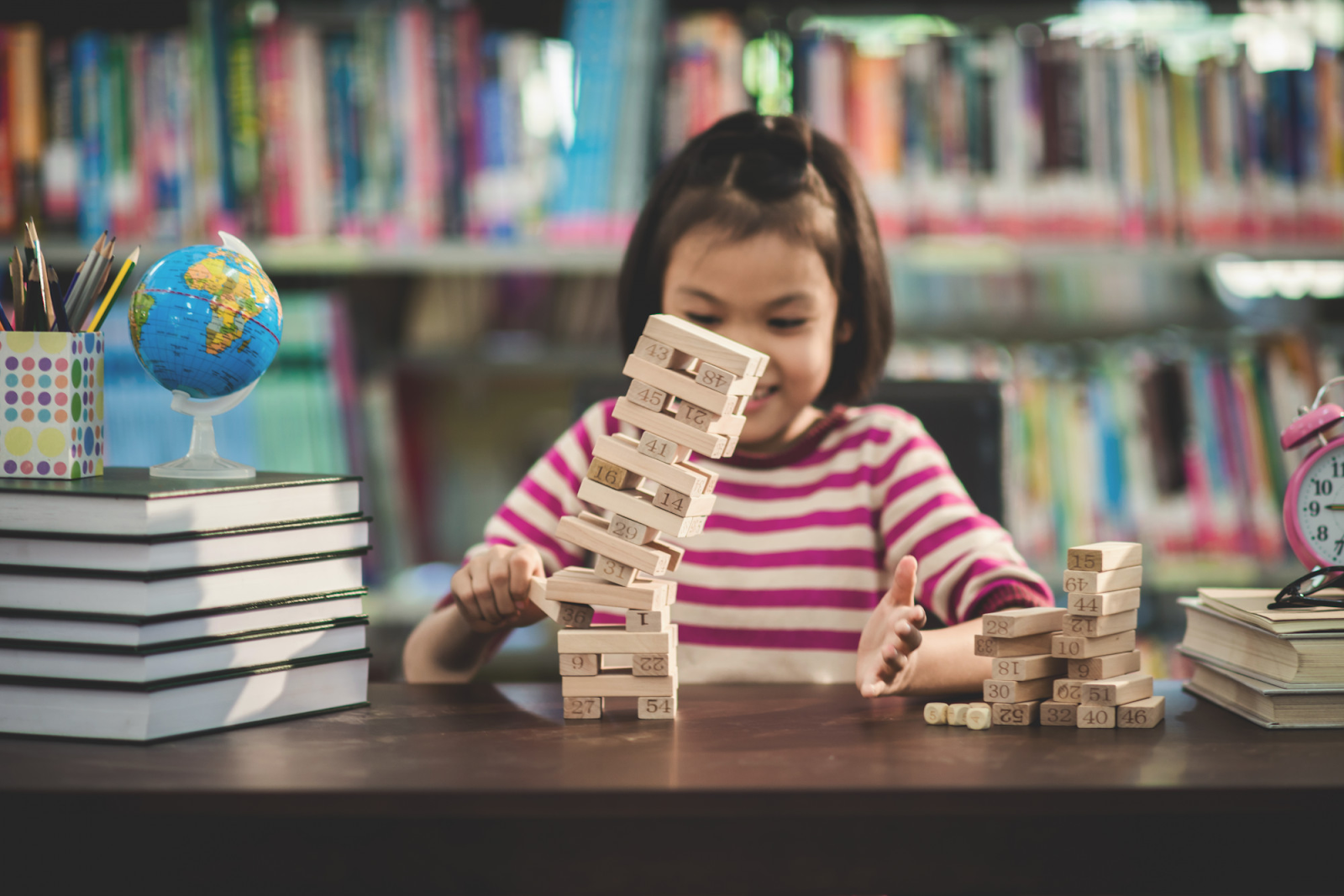
Modern educational research reveals how organised daily routines directly impact neural development and skill acquisition in students.
Research consistently demonstrates that structured learning environments significantly impact student development and life skill acquisition. According to studies published by the National Centre for Education Statistics, schools with well-organised daily routines exhibit 23% higher student engagement rates compared to less structured environments.
The human brain thrives on predictable patterns, especially during developmental years. When schools implement consistent daily structures, they create neural pathways that support self-regulation, time management, and emotional stability.
Essential Life Skills Developed Through Daily Structure
Strategic scheduling throughout school days creates natural opportunities for students to develop critical competencies that extend far beyond academic achievement.
Emotional Intelligence and Self-Regulation
Structured school days naturally incorporate multiple opportunities for students to practice emotional regulation. Regular transitions between activities teach children to manage change, while scheduled quiet times help develop introspection and self-awareness.
Morning routines set the emotional tone for the entire day. Group activities within structured timeframes teach students to navigate social dynamics and collaborate effectively.
Time Management and Organisation
When schools divide their days into purposeful segments, students naturally develop time awareness and organisational skills. They learn to prioritise tasks, manage transitions, and understand the value of dedicated focus periods.
Students develop the ability to estimate task duration and plan accordingly, skills that prove invaluable in higher education and professional settings.
Communication and Social Skills
Structured group activities and discussions provide consistent practice for verbal and non-verbal communication skills. Students learn to express ideas clearly, listen actively, and provide constructive feedback to peers.
Regular presentation opportunities help overcome communication anxieties while building confidence in public speaking and cultural sensitivity.
Innovative Approaches to Skill-Building Through Daily Programming

Contemporary schools are revolutionising traditional schedules by implementing integrated learning blocks and technology-enhanced activities that mirror real-world problem-solving scenarios.
Integrated Learning Blocks
Progressive educational institutions are moving beyond traditional subject-based schedules toward integrated learning blocks. These extended periods allow for deep exploration of topics while naturally incorporating multiple skill sets.
Project-based learning within these blocks teaches students to synthesise information from various sources and present effective solutions. These approaches mirror real-world work environments requiring diverse competencies.
Technology Integration and Digital Literacy
Modern structured schedules incorporate dedicated technology time that goes beyond basic computer skills. Students learn digital citizenship, online collaboration, and creative expression through various digital media.
Coding sessions teach logical thinking and persistence in debugging challenges. Digital literacy blocks address internet safety and responsible social media use.
Practical Life Skills Sessions
Forward-thinking schools are incorporating practical life skills directly into their daily schedules. These might include basic financial literacy, cooking, gardening, or home maintenance skills that prepare students for independent living.
These hands-on sessions teach responsibility, planning, and multi-step procedure following. Activities promote cultural awareness while building practical competencies that enhance self-sufficiency.
The Role of Arts and Creative Expression
Creative integration throughout daily schedules develops aesthetic appreciation, cultural understanding, and innovative thinking capabilities essential for well-rounded personal development.
Visual and Performing Arts Integration
Structured creative time allows students to explore different forms of expression while developing aesthetic appreciation and creative thinking skills. Regular art, music, and drama sessions build confidence and cultural understanding.
Performance opportunities help students overcome stage fright while building presentation skills. These activities develop fine motor skills and emotional expression capabilities.
Hands-On Making and Creating
Dedicated time for hands-on creation develops patience, attention to detail, and pride in workmanship. Students learn to see projects through from conception to completion.
Making activities develop problem-solving skills as students encounter challenges and adapt approaches. They engage spatial and logical thinking through creative work.
Physical Development and Wellness Integration
Comprehensive wellness programming addresses both physical fitness and mental health needs, creating balanced individuals prepared for life's challenges.
Structured Physical Activity
Regular physical education includes yoga, meditation, and mindfulness practices. These activities teach body awareness, stress management, and the importance of physical wellness for mental performance.
Outdoor education helps students develop environmental awareness and risk assessment skills. Team sports teach goal-setting, persistence, and healthy competition while building strength.
Mental Health and Wellness
Structured wellness time includes activities specifically designed to support mental health and emotional regulation. Students learn coping strategies, stress management techniques, and the importance of seeking help.
Regular reflection periods help students develop self-awareness and emotional vocabulary. They learn to identify feelings and express them appropriately in social contexts.
Check Out | Exam Stress & Future Anxiety in StudentsRamagya School, Sector 50, Noida: Building Essential Life Skills Through Innovative Daily Structure
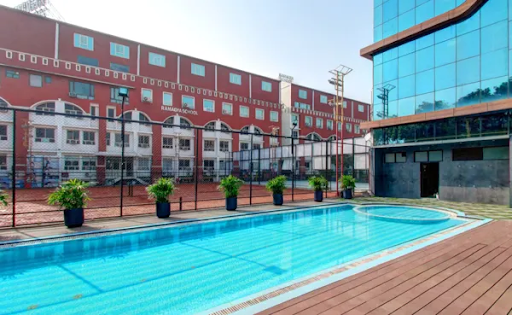
Ramagya School, established in 2004 and affiliated with CBSE, stands as a premier educational institution in Sector 50, Noida, spanning over 3 acres near the Noida City Centre Metro Station. The school has earned recognition as one of the top 3 Senior Secondary schools in the National Capital Region by The Times of India and features among the 30 great Indian Schools acknowledged by Forbes India magazine.
The institution's innovative approach to daily scheduling exemplifies how structured environments can systematically build essential life skills. Their early years program incorporates "Circle Time" for social-emotional learning, "DEAR Time" (Drop Everything and Read) for literacy development, and hands-on pottery sessions that develop patience and creativity. These carefully timed activities ensure that students develop crucial competencies alongside academic knowledge.
One of the best CBSE schools in Noida, Ramagya's commitment to holistic development is evident in its four foundational pillars: Mental Health, Sports Excellence, Transcendental Meditation, and Bhagavad Gita wisdom integration. Their structured approach has earned them the #1 ranking in India for "Individual Attention to Students" by Education Today, demonstrating how personalised learning within structured environments produces exceptional outcomes. The school's vision of "Light My Inner Voice" perfectly encapsulates their philosophy of using structured daily experiences to foster self-discovery and character development.
Ready to provide your child with a structured learning environment that builds essential life skills? Apply Now to discover how Ramagya School's innovative daily programming can transform your child's educational journey.
For more information on this and other such schools in the area, check out this list of the best schools in Noida.
 as a preferred source on