








A school is much more than a place of learning—it is an environment where children spend a significant part of their day growing academically, socially, and physically. For students in boarding schools especially, the campus becomes a second home where every aspect of daily life, including meals, contributes to their overall development. One of the best boarding schools in India, Cambrian Hall recognizes that nutrition is not simply about providing food but about ensuring every child receives meals that are safe, balanced, and suited to their individual needs. As awareness around food allergies, medical conditions, and dietary preferences continues to grow, the ability of school kitchens to accommodate these requirements has become an essential component of student care.
Every Child Has Unique Nutritional Needs
Children have diverse nutritional requirements based on their age, activity level, health conditions, and lifestyle. While many students can comfortably enjoy standard school meals, others require carefully planned diets due to allergies, intolerances, chronic illnesses, or medically prescribed eating plans.
Common dietary requirements among school-going children include:
- Food allergies such as peanuts, tree nuts, dairy, eggs, soy, or shellfish.
- Gluten-free diets for students with celiac disease or gluten intolerance.
- Lactose-free alternatives for children with dairy sensitivities.
- Diabetic meal planning that regulates carbohydrate intake.
- Low-sodium or low-fat diets prescribed for specific medical conditions.
- Vegetarian or vegan diets based on personal, ethical, or cultural preferences.
Meeting these diverse requirements ensures that every student has equal access to nutritious meals without compromising their health or well-being.
Also Read | Understanding SEE Learning
Why Food Allergies Require Serious Attention
Food allergies are more than simple dislikes or sensitivities. For some children, even consuming a tiny amount of an allergen can trigger severe reactions that require immediate medical attention. This makes food safety a critical responsibility for schools.
Modern educational institutions are increasingly implementing systems that reduce the risk of accidental exposure by maintaining ingredient records, training kitchen staff, preventing cross-contamination, and encouraging parents to communicate dietary information well before the academic session begins. Clear communication between families and schools allows meal planning to begin proactively rather than reactively.
Nutrition Supports Academic Performance
The relationship between nutrition and learning is well established. Balanced meals provide the energy students need to remain attentive during lessons, participate in sports, and maintain emotional stability throughout the day.
Students who consume nutritionally complete meals are more likely to:
- Maintain better concentration in classrooms.
- Experience sustained energy throughout the day.
- Develop stronger immunity against common illnesses.
- Recover more effectively after physical activities.
- Maintain healthy physical growth and cognitive development.
When dietary restrictions prevent children from eating regular meals, schools that provide suitable alternatives help ensure these students receive the same nutritional benefits as everyone else.
Also Read | Transformative Education in Today's World
Boarding Schools Have an Even Greater Responsibility
In residential schools, students depend almost entirely on the institution for their daily nutrition. Parents cannot prepare individual meals or monitor eating habits each day, making the school's dining facilities a central pillar of student welfare.
A well-managed boarding kitchen should therefore focus on more than simply serving meals. It should create systems that support students with varying dietary needs while maintaining consistency in quality and hygiene.
Important features of an inclusive boarding kitchen often include:
- Careful menu planning.
- Fresh and balanced ingredients.
- Strict hygiene standards.
- Safe food preparation practices.
- Allergen awareness among kitchen staff.
- Coordination with parents and healthcare professionals whenever necessary.
These measures help create an environment where students can eat with confidence while parents enjoy greater peace of mind.
Communication Is the Key to Safe Dining
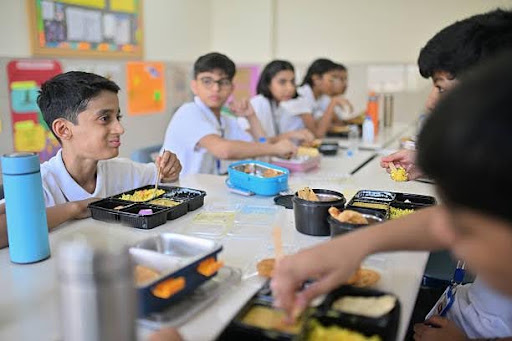
One of the most effective ways schools can accommodate dietary requirements is through open communication with parents.
Parents possess the most complete understanding of their child's allergies, medical history, and nutritional needs. By sharing this information before admission or at the beginning of the school year, they enable schools to prepare suitable meal plans and avoid unnecessary risks.
Similarly, schools benefit from maintaining updated dietary records, reviewing medical information regularly, and encouraging parents to report any changes in a child's health throughout the year.
This collaborative approach transforms nutrition from a logistical task into a partnership centered around student well-being.
Creating an Inclusive Dining Experience
Inclusive dining extends beyond health considerations. It also contributes to a student's emotional comfort and sense of belonging.
Children who require special meals can sometimes feel isolated if they are consistently eating different foods or excluded from shared dining experiences. Schools that thoughtfully integrate dietary accommodations into their meal services help ensure these students continue to enjoy meals alongside their peers without feeling different.
Such an approach reinforces values like empathy, inclusivity, and respect—qualities that are just as important as academic achievement.
How Cambrian Hall Supports Students with Special Dietary Requirements

At Cambrian Hall's residential campus, student well-being extends beyond classrooms and hostels into the dining hall itself. The school's spacious dining facility is supported by a modern commercial kitchen and a dedicated culinary team that prepares nutritious vegetarian meals in a hygienic environment designed to offer students a comfortable, home-like dining experience.
Recognizing that every student may not have identical dietary needs, the school has established a thoughtful system for supporting children with special dietary requirements. The kitchen caters to students who have allergies, medical conditions, or specific dietary restrictions, ensuring that their nutritional needs are taken into account wherever possible. Parents are encouraged to inform the school in advance about any medical or dietary requirements so that appropriate meal arrangements can be planned before the student begins residential life.
This proactive communication helps the residential team prepare suitable meals while maintaining the high standards of safety and nutrition expected in a boarding environment. Rather than treating dietary accommodations as exceptions, the school integrates them into its broader commitment to student health and welfare.
Combined with its emphasis on hygiene, balanced nutrition, and comprehensive healthcare support through an on-campus infirmary, the dining services reflect Cambrian Hall's holistic approach to residential education. Students are able to focus on learning, sports, and personal growth while parents gain confidence knowing that their children's nutritional and medical needs are being carefully considered.
Conclusion
A school's responsibility extends well beyond academics. By recognising individual dietary needs and creating systems that accommodate allergies, medical conditions, and nutritional requirements, schools foster environments where every child can thrive safely and confidently.
Whether through careful meal planning, effective communication with parents, or well-trained kitchen staff, inclusive dining practices contribute significantly to student health, happiness, and academic success. For boarding schools in particular, where meals form an integral part of everyday life, these practices are not merely conveniences—they are essential aspects of responsible student care.
To know more about other boarding schools in India, click on the link below
 as a preferred source on