








Language is more than just a subject in school, it's how children make sense of the world, articulate their ideas, and connect with those around them. As students grow, their ability to communicate becomes the foundation for learning, collaboration, self-expression, and emotional awareness. When schools nurture this skill early, they empower students to become not only good learners but also confident leaders and empathetic individuals. A language-rich environment helps children reflect, question, and create all the essential traits for success in the 21st century.
One school that actively integrates this philosophy into its learning environment is ASPAM Scottish School, Sector 62, Noida, where the Word Weaver Club invites students to engage with language in expressive and meaningful ways.
This article explores the role of language clubs in shaping confident, creative, and resilient students. It also highlights how ASPAM Scottish School, one of the best schools in Noida, supports this development through the Word Weaver Club.
Also Read| Learning Beyond Books: The Role of Clubs in Student Growth at ASPAM Scottish SchoolWhy Communication Is a Foundational Life Skill
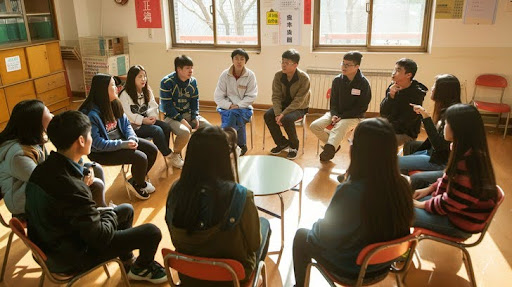
Strong communication skills go beyond language proficiency; they are key to building confidence, leadership, and problem-solving abilities. Children who can express their thoughts clearly and effectively are more likely to excel academically, form stronger relationships, and thrive in challenging environments.
Communication enables children to:
-
Articulate ideas with clarity: When students are taught how to structure and share their thoughts, they develop clarity in both written and spoken expression. This clarity improves academic performance and decision-making.
-
Critically and reflect deeply: Expressing ideas helps students process information logically. The act of writing or speaking develops analytical thinking, which supports learning across all subjects.
-
Build self-confidence in all settings: From classroom discussions to public speaking events, being able to communicate confidently helps children overcome hesitation and participate actively.
-
Develop empathy and understanding: Sharing experiences and listening to others' stories nurtures emotional intelligence and teaches students to consider diverse perspectives.
-
Adapt and collaborate effectively: Language skills help students work in teams, present ideas, and take initiative all of which are essential for academic and personal success.
The Role of Literary Clubs in Holistic Development
Literary clubs provide structured opportunities for creative thinking, collaboration, and self-expression. These platforms allow students to explore language beyond the textbook, cultivating both personal and academic growth.
A strong literary club encourages students to:
-
Create original work with confidence: Through writing short stories, poems, and speeches, students express their imagination and unique voice in a supportive environment.
-
Strengthen public speaking skills: Activities like debates and storytelling help students overcome stage fright and speak with clarity and purpose, preparing them for future leadership roles.
-
Explore literature and global cultures: Exposure to diverse texts enhances vocabulary, comprehension, and cultural awareness, encouraging children to think beyond their immediate world.
-
Collaborate and learn from peers: Group writing tasks and peer reviews foster a sense of teamwork, mutual respect, and constructive feedback.
-
Receive meaningful mentorship: Teachers guide students not just on grammar or technique but on how to shape ideas with depth and purpose, helping them grow as thoughtful communicators.
Language as a Tool for Emotional Strength
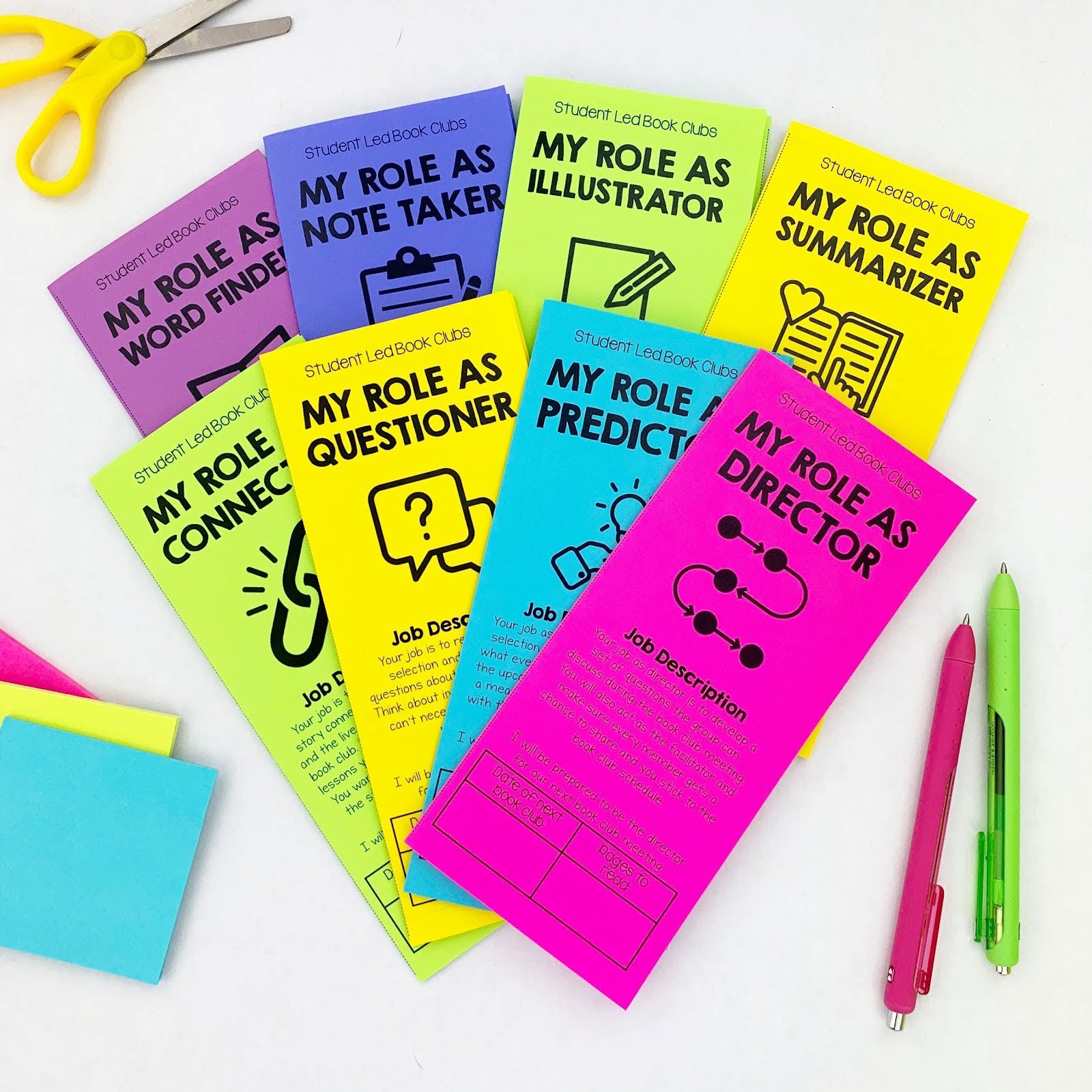
Creative expression is also an emotional outlet. When students write about personal experiences or participate in open dialogue, they learn to navigate emotions with awareness and resilience. This has a lasting impact on their mental well-being and emotional development.
Language-based expression helps children to:
-
Understand and manage their emotions: Writing or speaking about personal experiences provides students with clarity and emotional release, building internal strength.
-
Learn from setbacks and adapt positively: Turning challenges into narratives teaches students that failure is not final, it is part of the learning journey.
-
Build empathy through shared stories: When students hear or read about diverse experiences, they develop compassion, tolerance, and the ability to relate to others.
-
Become self-aware and reflective: Journaling and storytelling encourage students to think about their values, choices, and growth, leading to increased self-awareness.
What Parents Should Look for in a Language-Nurturing School
Today’s parents seek schools that offer holistic development, institutions that help their children become articulate, emotionally intelligent, and confident individuals. Language-focused programs play a vital role in this growth.
Key qualities to look for include:
-
Encouragement for all students to express themselves: A good school provides equal opportunities for both shy and outgoing students to participate, making sure every voice is acknowledged.
-
Regular platforms for creative language use: From literary clubs and writing contests to assemblies and class presentations, these engagements make expression part of the learning culture.
-
Supportive mentorship from teachers: Teachers who encourage expression and offer constructive feedback help children grow without fear of judgment.
-
Recognition of effort and creativity: Valuing original ideas and persistence over perfection helps students feel safe taking creative risks.
These features ensure that students are not just prepared for exams, but for life.
Creating a Culture of Expression Within Schools
For language to thrive, it must be deeply embedded in the school’s culture, not limited to a few subjects or events. When creativity and communication are part of everyday learning, students naturally grow into confident, expressive individuals.
Schools that nurture this culture tend to:
-
Include reflective and expressive activities in daily learning: Whether it’s journaling, dialogue-based lessons, or group storytelling, these practices make expression an integral part of learning.
-
Host regular speaking and writing events: Platforms like debates, poetry recitals, student publications, and stage performances give students real-world experience.
-
Allow students to take ownership of ideas: Student-led blogs, magazines, and podcasts build leadership skills while deepening language proficiency.
-
Promote collaboration and listening: Group discussions and writing workshops help children learn to respect different viewpoints and build shared ideas.
Check Out | The Connection between Arts & Emotional Well-being
ASPAM Scottish School: Nurturing Expression through the Word Weaver Club
ASPAM Scottish School is located in Sector 62, Noida. ASPAM is one of the best CBSE schools in Noida, offering co-educational learning from Pre-Nursery to Grade XII. With its modern infrastructure, student-centered teaching approach, and emphasis on holistic development, the school provides a dynamic environment where academic excellence goes hand in hand with creativity and emotional growth.

A key highlight of ASPAM’s co-curricular initiatives is the Word Weaver Club, a vibrant platform where students engage in creative writing, poetry, storytelling, speeches, and debates. Guided by the philosophy that “the mind is a tapestry constantly weaving and unweaving,” the club empowers students to express themselves clearly, think critically, and connect deeply with language. It encourages learners to build confidence in communication, an essential skill for academic success and real-world readiness.
The school is committed to fostering a supportive and inclusive environment where students feel valued, respected, and heard. Teachers go beyond classroom instruction to serve as mentors, offering consistent emotional support and guidance. At ASPAM, emotional well-being is deeply integrated into the learning culture, ensuring that every child grows into a confident, expressive, and well-rounded individual.
For more information on this and similar schools in the area, check out this list of the best schools in Noida.









 as a preferred source on