









Choosing the right school for your child goes far beyond glossy brochures and impressive infrastructure. As parents, we’re constantly searching for a place that doesn’t just teach from a textbook, but prepares our children for a world that’s complex, competitive, and constantly changing. That’s where international accreditations step in, especially one as globally respected as the CIS (Council of International Schools) accreditation.
But what does it really mean when schools like Mussoorie International School, one of the best boarding schools in India, hold this prestigious recognition? Is it just another badge, or does it genuinely impact your child’s learning experience?
In this article, we explore what CIS accreditation stands for, how it transforms the educational journey at Mussoorie International School, and why it should matter to every parent who’s thinking long-term about their child’s academic, emotional, and ethical growth.
Also Read | MYP’s Foundation for Success at Mussoorie International School
What does CIS Accreditation mean?
When a school earns CIS accreditation, it’s not just a stamp of approval- it’s a sign that the school meets rigorous international standards in education, safety, governance, and student support. For a parent, it signals that the school is globally benchmarked, future-ready, and deeply committed to continuous improvement.
Being a CIS-accredited school reflects more than just compliance; it reflects a philosophy. It’s a promise that your child is learning in an environment that prioritizes integrity, academic depth, and personal growth.
Here’s what CIS accreditation means in real terms:
- A school that meets global education standards.
- Commitment to ongoing self-evaluation and improvement.
- Assurance of a safe, inclusive, and well-governed learning space.
- Curriculum designed to develop critical thinking and global citizenship.
- A learning environment that prepares students for international universities and diverse futures.
Strong Systems, Strong Students
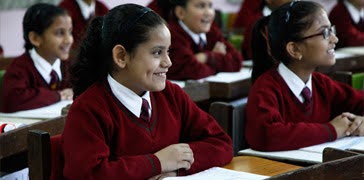
In today’s world, academic success isn’t enough- students need cultural awareness, adaptability, and empathy to thrive. One of the key pillars of CIS accreditation is intercultural learning.
From classrooms to co-curriculars, students get encouraged to see the world beyond borders- to respect differences, collaborate with diverse peers, and grow into thoughtful global citizens.
Here’s how this approach builds global readiness:
- A curriculum that weaves in intercultural understanding across subjects.
- Student exchange programs and global collaborations.
- A diverse student and faculty community promoting cross-cultural dialogue.
- Active celebration of international days, festivals, and global issues.
- Development of communication, collaboration, and compassion- the true markers of global education.
A Truly Global Education
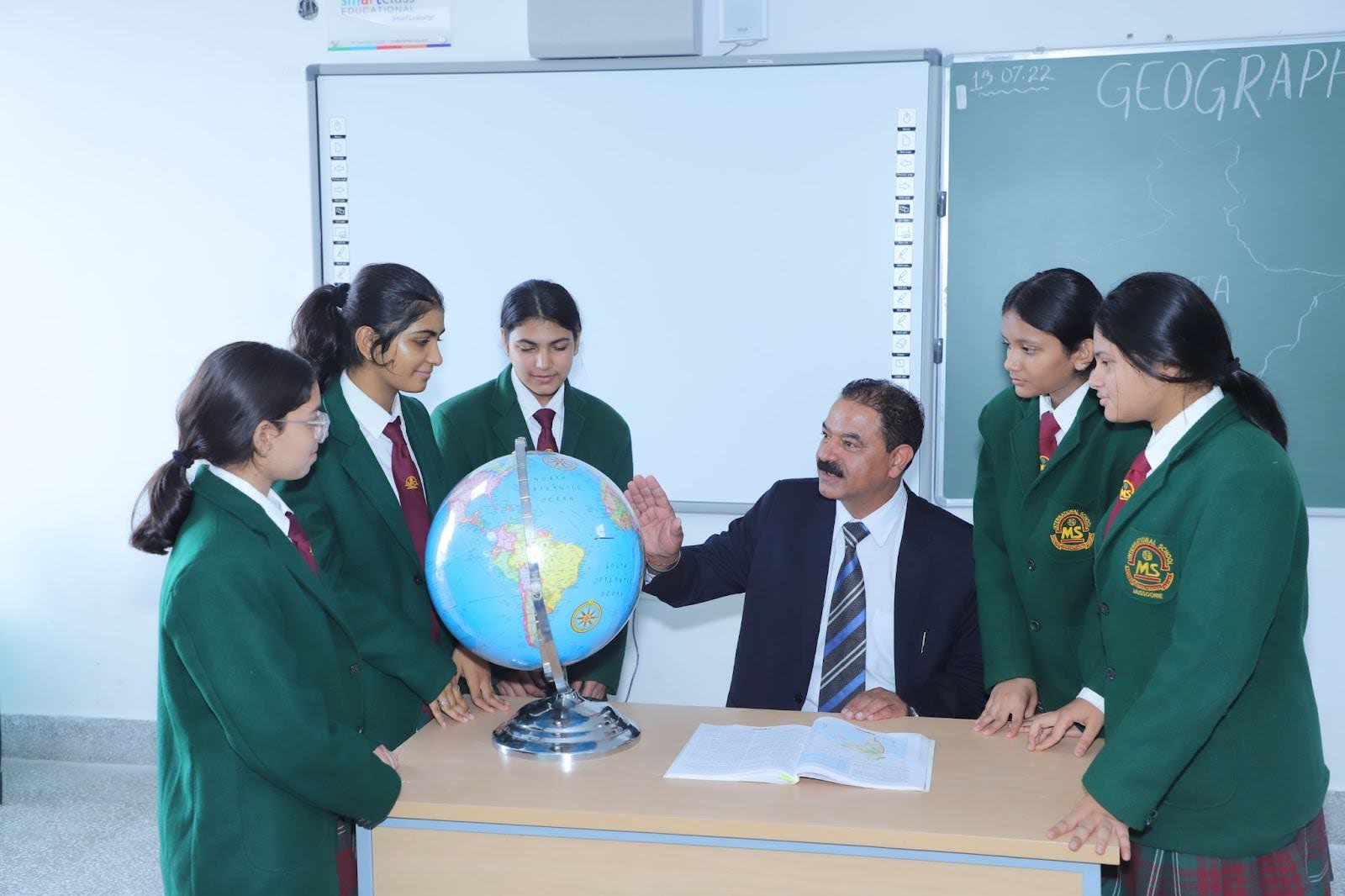
In today’s fast-changing and interconnected world, education is no longer just about textbooks, tests, and classroom walls. It’s about preparing young people to understand different perspectives, tackle global challenges, and thrive wherever life takes them. This is the heart of a truly global education, an approach that’s not just idealistic, but grounded in research, real-world impact, and a growing need for global awareness.
Central to this vision are international quality frameworks, such as those established by the Council of International Schools (CIS). These frameworks ensure that educational institutions maintain high standards in several key areas:
- Excellence in Teaching and Learning: Global education promotes innovative and inquiry-based teaching methods that encourage students to explore diverse perspectives and develop skills needed for a rapidly evolving world.
- Effective and Ethical Governance: Strong leadership and transparent governance ensure that schools adhere to international best practices, fostering an environment where students can thrive academically and personally.
- Student Well-being: Prioritizing holistic well-being, global education frameworks emphasize the importance of emotional, social, and mental support to create safe and inclusive learning spaces.
- Intercultural Understanding: A foundational element is fostering empathy, respect, and cross-cultural communication, preparing students to become responsible global citizens.
A British Council-backed Ezyschooling article shows that cultural learning enhances critical thinking, creativity, and emotional intelligence.
Accreditation Is a Journey, Not a Destination
CIS accreditation isn’t a static award- it’s a dynamic, ongoing commitment. Schools aren’t just evaluated once and left alone; instead, they must consistently demonstrate progress, accountability, and responsiveness to change. This continuous improvement model ensures that schools stay aligned with international best practices and are always striving to enhance the student experience.
Here’s what this process looks like in real terms:
- Regular self-review and strategic planning: Schools engage in structured self-evaluations where they assess everything from teaching methods and leadership to student support systems. These reviews help schools identify strengths, spot gaps, and plan for future improvements in line with CIS’s global benchmarks.
- Active stakeholder engagement: including teachers, students, and parents
CIS-accredited schools are expected to create open channels of communication with their entire community. - Emphasis on evidence-based improvements: In school operations and pedagogy
changes- the decisions aren’t made randomly; they are backed by data, research, and measurable results. - A culture that embraces change, innovation, and ethical responsibility: At the heart of CIS accreditation is a mindset that values growth. Schools are encouraged to innovate while maintaining a strong ethical foundation, ensuring that they prepare students not just for exams, but for life in a complex, evolving world.
Check Out | Learning Through Culture: Building Bonds and Broadening Perspectives
Choosing MIS Means Choosing Excellence, Accountability & Global Vision
At Mussoorie International School, one of the best CIS boarding schools in Mussoorie, CIS accreditation is more than a credential- it’s a reflection of the school’s unwavering commitment to global quality benchmarks. It assures parents that the school meets the highest international standards in teaching, leadership, student well-being, and intercultural education.

Every aspect of life at MIS- from its thoughtfully designed academic framework to its emphasis on emotional resilience and global awareness- aligns with the Council of International Schools’ vision for future-ready education. Whether it’s through student-led initiatives, diverse curriculum boards (ICSE, Cambridge, and IB), or a nurturing residential environment, MIS empowers every girl to grow into a globally minded, confident leader.
In a world that values adaptability, integrity, and collaboration, MIS ensures its students don’t just keep up, they lead. For families seeking a school that balances strong academic values with a compassionate and internationally benchmarked approach, Mussoorie International School stands as a trusted and transformative choice.
For more information on this and other similar schools in the area, check out this list of the best boarding schools in India.














 as a preferred source on