






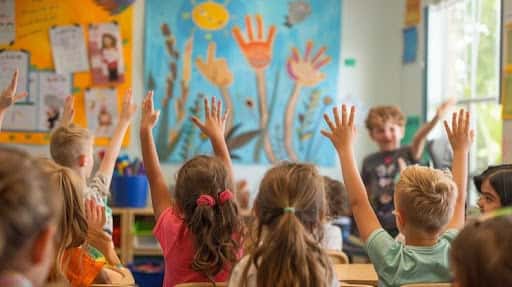

Every child learns differently, and that’s where the journey begins. Modern education recognizes that students don’t all absorb information the same way. Learning is a dynamic and evolving process that should reflect a child’s natural curiosity, emotional needs, and social development. Educational theories help shape how teachers design lessons that feel natural, personal, and meaningful for students.
At Mayoor School, one of the best schools of Noida, this vision is brought to life through a thoughtfully integrated model based on three core theories: Behaviourism, Cognitive Constructivism, and Social Constructivism. By weaving these approaches together, the school ensures that students gain academic strength, emotional maturity, and social awareness, the building blocks of lifelong learning.
This article delves into the practical application of learning psychology in classrooms today. You’ll learn how each theory contributes something unique to a child’s educational journey and how combining them results in deeper, richer learning. The article also showcases how Mayoor School translates these principles into daily learning experiences for its students.
Also Read| Cultivating Global Leaders | Mayoor School, Noida’s Visionary Indo-German Exchange Programme
What Parents Value in Education Today

Parents today expect more than grades; they want growth in every sense of the word. They seek schools that shape their children into confident, compassionate, and curious individuals. The ideal learning environment, according to most modern parents, must go beyond academics to build life skills, adaptability, and emotional intelligence.
Here are some of the most valued qualities parents look for:
- Balanced Academics: A child’s education should not be limited to core subjects. Parents appreciate curricula that integrate academic learning with the arts, sports, and life skills. At school, this is reflected in well-structured timetables, diverse co-curricular activities, and balanced student development.
- Modern Teaching Method: Memorization is no longer enough. Parents now prioritize schools that use inquiry-based, experiential, and application-driven methods, ensuring children understand concepts, not just recall them.
- Personalized Attention: Every child learns at their own pace. The school’s commitment to small class sizes, progress tracking, and individual mentorship ensures no learner is left behind.
- Confidence-Building Activities: A School that encourages children to speak up, lead, and express themselves through regular assemblies, competitions, exhibitions, and leadership roles, building confidence from a young age.
- Emotional and Social Growth: Academic brilliance means little without emotional balance. That’s why school places a strong emphasis on values education, empathy-building sessions, and inclusive classrooms.
- Open Communication with Parents: Parents want to be partners in their child’s journey. This can be done through regular PTMs, progress reports, digital updates, and an open-door policy with educators.
The Three Pillars of Learning at a Glance
Every child processes and applies knowledge differently. That’s why combining multiple learning theories ensures a richer, more adaptable classroom. Each of the following educational approaches adds a unique dimension to a student’s development.
-
Behaviourist Learning: Building Discipline & Focus.
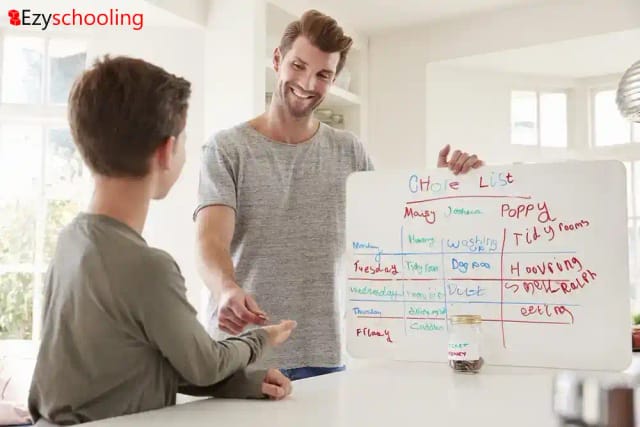
This theory focuses on how structured instruction, repetition, and positive reinforcement help children internalize information.
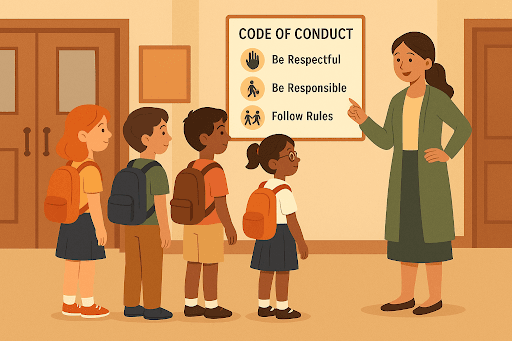
Encourages structure and predictability: Clear rules and consistent routines provide a secure environment where children can focus and thrive.
Useful for early concept-building and memory retention: Regular practice through worksheets, drills, and assessments strengthens the basics in literacy and numeracy.
Builds discipline and task focus: Reinforcement strategies like rewards and praise motivate students to stay on track and develop strong study habits.
-
Cognitive Constructivist Learning: Nurturing Independent Thinkers
This theory promotes learning as an active, internal process driven by curiosity and reflection.
Promotes curiosity, reasoning, and understanding: Students learn by experimenting, asking questions, and discovering patterns.
Helps students connect prior knowledge to new information: Activities are designed to build upon what children already know, allowing deeper conceptual clarity.
Encourages self-directed exploration and questioning: classrooms encourage students to investigate topics through projects, visual thinking, and real-life examples.
-
Social Constructivist Learning: Growing Through Collaboration
This theory emphasizes learning through interaction, conversation, and shared tasks.
Develops communication and listening skills: Group activities require students to articulate their thoughts and listen respectfully to peers.
Encourages empathy and peer respect: Working in teams fosters appreciation for diverse viewpoints and collective success.
Strengthens understanding through group work, discussions, and shared projects: Students deepen their learning when explaining concepts to others or solving problems together.
Together, these theories form a complete framework for 21st-century learning.
Why a Blend of Learning Theories Works Best for Children
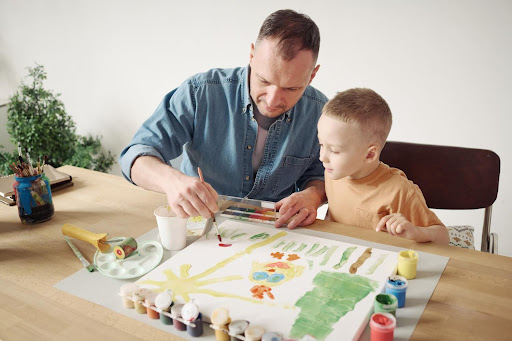
When used in harmony, these three learning theories empower children to think clearly, feel deeply, and act responsibly. Rather than fitting every child into the same mould, this approach allows individual strengths to shine.
- Academic Growth: Behaviourist strategies help children master core subjects like math, language, and science through structured lessons and reinforcement.
- Creative & Critical Thinking: Cognitive constructivism trains students to analyze, question, reflect, and understand the ‘why’ behind everything.
- Social and Emotional Intelligence: Social learning techniques help children become better team players, more empathetic classmates, and strong communicators.
- Daily Engagement & Motivation: The variety of methods keeps children curious and involved. They look forward to school because no two days feel the same.
- Holistic Child Development: With all aspects of mind, body, and heart nurtured, children don’t just succeed in school. They grow into confident individuals ready to handle life’s challenges.
Check Out| Career-Ready and Value-Oriented Seniors
Mayoor School, Noida: Empowering Growth through Innovation and Nurture
Mayoor School is located in Sector 126, Noida, and is one of the best CBSE-affiliated schools in Noida. Developed in academic collaboration with Mayo College General Council, Ajmer, the school offers a progressive learning environment from Pre-Nursery to Grade XII. It focuses on fostering intellectual curiosity, discipline, and creativity in students at every stage of development.

At Mayoor School, classroom practices are guided by well-researched learning theories that aim to meet the unique needs of each child. Through a thoughtful integration of behaviourist, cognitive, and social learning strategies, teachers deliver lessons that are both engaging and effective. Whether it’s through structured worksheets and assessments, concept-building activities like mind maps and projects, or interactive group discussions and presentations, the school ensures that every student is actively involved in their learning journey.
What makes Mayoor truly stand out is its nurturing and supportive ecosystem. Teachers act not just as educators but as mentors who understand and respond to individual learning paths. Regular feedback, open communication, and strong school-parent partnerships strengthen the child’s academic and emotional well-being. Inclusive policies, student-driven platforms, and a strong culture of empathy and resilience create a safe, encouraging environment where every learner feels heard, valued, and inspired to grow.
For more information on this and other such schools in the area, check out this list of the best schools in Noida.




 as a preferred source on