









The education system is ever-evolving with the onset of technology and the rising pursuit of proper learning methodologies. Smart classrooms are an essential part of this evolution as they provide creative solutions that improve the learning experience for students and educators alike.
GD Goenka International School, one of the best boarding schools in Rohtak, uses smart classrooms and integrates various technologies to create an interactive and engaging learning environment. These classrooms typically feature digital tools such as interactive whiteboards, projectors, tablets, and high-speed internet access. The goal is to foster a more dynamic educational experience that encourages student participation and collaboration.
In this article, let us take a look at the global shift towards smart classrooms, why it’s here to stay, and how GD Goenka has paid close attention to enhancing smart classrooms.
Check Out | Excellence in Sports: G.D. Goenka Rohtak's Coaching Approach
Understanding Smart Classrooms
Smart classrooms have made education an atmosphere of engagement, collaboration, and personalized learning. As we enter the 21st century, a greater acceptance of these spaces is necessary to equip students for future hurdles.
Proper integration of technology in classrooms would ultimately help prepare knowledge workers with skills that are critical to succeed in an ever-globalized world. With smart classrooms, the future of education is one step forward in making learning environment-friendly, appealing, and effective for all students.
Features of Smart Classrooms
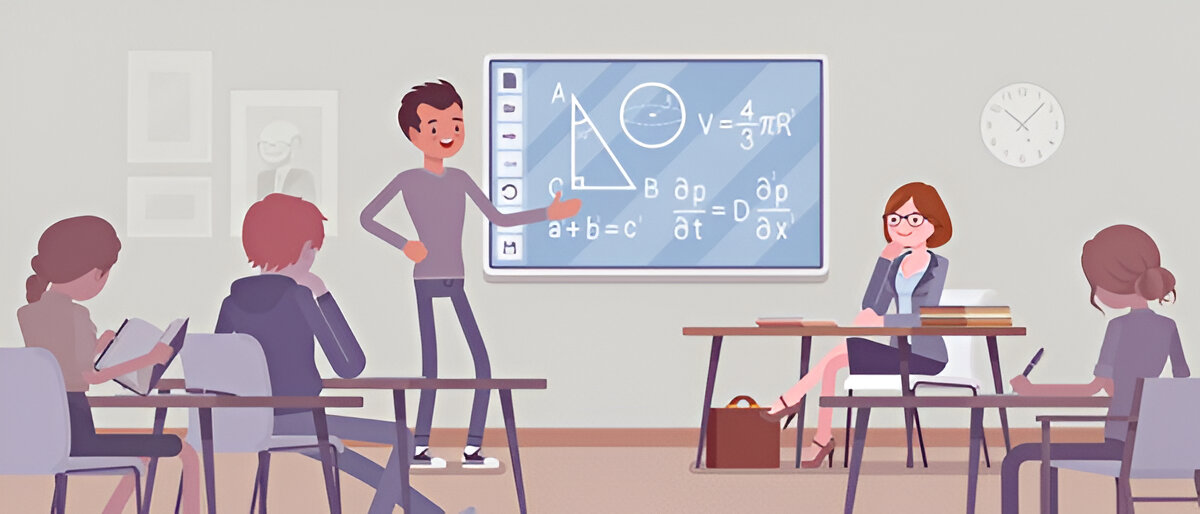
- Descriptive text incorporating images, videos, facts, figures and data related to the lesson.
- Activities after every lesson enable students to develop high-order thinking skills and make their base strong.
- Smart boards are integrated with the internet facilitating the teacher to incorporate scientific experiments and mathematical problems.
- Supports built-in maps bringing the world to fingertips.
- Highly integrated English tools empower teachers to build rich vocabulary and strengthen grammar skills.
Benefits of Smart Classrooms
1. Enhanced Student Engagement
Smart classrooms captivate students like none other. Traditional teaching methods would fail to excite students, and particularly with a difficult subject matter, to hold students' interest. Smart classrooms therefore provide insightful multimedia content in the form of videos, animations, and interactive simulations during lessons.
- Interactive Learning: Digital platforms facilitate real-time discussions, quizzes, and collaborative projects.
- Visual Aids: Visual lights break down complex concepts into simple ones for easy understanding and remembering.
2. Improved Knowledge Retention
Research indicates that students retain information more effectively when they are actively involved in the learning process. Smart classrooms promote this active engagement through various means:
- Hands-On Activities: Interactive tools allow students to experiment and explore concepts practically.
- Personalized Learning: Adaptive learning software tailors educational content to individual needs, enabling students to learn at their own pace.
3. Access to Abundant Educational Resources
Smart classrooms provide students with unprecedented access to a wealth of information:
- Digital Libraries: Students can explore extensive online resources beyond the traditional curriculum under teacher guidance.
- Real-Time Research: Instant internet access allows for in-depth research during lessons, fostering a culture of inquiry and exploration.
4. Preparing Students for Future Challenges
In today’s fast-paced world, equipping students with essential skills is crucial. Smart classrooms play a vital role in preparing learners for future challenges:
- Critical Thinking and Problem-Solving: Collaborative projects encourage students to think critically and devise solutions collectively.
- Digital Literacy: As technology becomes increasingly integral to various professions, smart classrooms ensure that students become proficient in digital tools.
5. Enhanced Teacher Effectiveness
Smart classrooms put students and teachers on equal footing with the support of novel tools:
- Planning Lessons Efficiently: Pre-made lesson plans and automated grading systems afford teachers more time to teach than to be busy with administrative tasks.
- Real-Time Feedback: Digital platforms are essential for educators' immediate assessment of student performance, allowing educationists to make adjustments to their teaching habits.
6. Fostering Collaboration
Collaboration is a key component of modern education. Smart classrooms facilitate teamwork among students through:
- Group Projects: Digital tools allow for seamless collaboration on projects, encouraging peer interaction.
- Shared Learning Experiences: Students can present their work and ideas in real-time, fostering a sense of community and shared learning.
7. Cost Efficiency Over Time
While the initial setup cost for smart classrooms may be significant, they often lead to long-term savings:
- Reduced Material Costs: Digital resources decrease the need for physical textbooks and materials, resulting in lower expenses over time.
- Increased Efficiency: Streamlined administrative processes save time and resources, allowing schools to allocate funds more effectively.
How Smart Classrooms Outperform Traditional Classrooms
While traditional classrooms have served education for centuries, they often fall short in meeting the needs of today’s learners. Here’s how smart classrooms provide a superior alternative:
- Dynamic Interaction vs. Passive Learning: Traditional classrooms often rely on lectures where students passively absorb information. In contrast, smart classrooms encourage active participation through discussions and collaborative activities.
- Access to Information: In a traditional setting, information is often limited to textbooks and teacher notes. Smart classrooms provide instant access to a vast array of online resources, fostering a culture of inquiry.
- Adaptability: Smart classrooms can easily adapt to different learning styles and paces, whereas traditional classrooms may not cater effectively to diverse student needs.
Read More | Nurturing Excellence from Early Years to Senior Success
GD Goenka International School: Fostering a Bright Future Ahead
G.D. Goenka International School (GDGIS), Rohtak, one of the best CBSE boarding schools in Rohtak, Haryana is renowned as a boarding school with a commitment to holistic development of its children. Established in 2014, the school is affiliated with the CBSE board and currently serves over 1,200 students across various grades. GDGIS boasts a student-to-teacher ratio of 15:1, ensuring personalized attention and support for each learner.

GDGIS infrastructures make possible high-class facilities, including smart classrooms, science and language labs, and a digital library. G.D. Goenka International School excels in the implementation of smart classrooms, setting a benchmark for modern educational practices. The school has equipped every classroom with state-of-the-art smart boards, transforming traditional teaching methods into interactive and engaging learning experiences.
They also provide the latest sports amenities, such as a swimming pool, tennis courts, and cricket pitches, which are conducive to learning and holistic development. The school also has an excellent reputation for career counselling and the international future global exchange program, which helps prepare children better for assessing the global landscape.
For more information on this and similar boarding schools, check out this list of the best boarding schools in India.







 as a preferred source on