








Manav Rachna International Schools (MRIS) have become a trailblazing institution transforming the educational scene when conventional education sometimes finds it difficult to tackle modern challenges. MRIS has shown by its creative student-centric approach that allowing students to take responsibility for their learning path may result in amazing academic performance and personal growth.
In this article, we will be examining MRIS Sector 51 Gurgaon’s unique three-pillar philosophy, innovative learning environments, and future-ready curriculum, while focusing on how Manav Rachna International School is transforming education with its student-centric approach.
The Foundations of Student-Led Learning at MRIS
At MRIS Sector 51, Mayfield Gardens, education is guided by the pillars of reasoning, resilience, and responsibility, nurturing analytical thinking, perseverance, and accountability. These principles are brought to life through innovative learning spaces and globally inspired teaching practices, creating a dynamic environment that empowers students to take charge of their growth and prepare for the future.
Core Philosophy: The Three Pillars
At MRIS Sector 51, Mayfield Gardens, one of the best schools in Gurgaon, the instructional structure is based on three well-chosen pillars that cooperate to provide a whole learning process.
- Reasoning: By means of organised events including peer-led dialogues, research projects, and problem-solving seminars, reasoning develops analytical thinking. Students routinely debate current events, examine difficult case studies, and create answers to problems facing society.
- Resilience: It is developed via a well-crafted curriculum exposing pupils to progressively difficult circumstances. Students learn to keep going through challenges and come out stronger from failures whether they are involved in competitive sports, tackling advanced academic tasks, or spearheading community events.
- Responsibility: Students who embrace responsibility become accountable people who own their choices and behaviour. From controlling classroom supplies to planning school-wide activities, kids are assigned even more important tasks that equip them for future leadership positions.
Creating Dynamic Learning Spaces
At MRIS, the virtual and physical learning spaces show a great awareness of contemporary educational requirements:
- Smart Classrooms: Beyond only digital whiteboards and tablets, smart classrooms include adaptive learning software tracking individual student development and suggesting tailored learning routes. Virtual reality and augmented reality technology together help to bring abstract ideas to life, therefore enhancing the effectiveness and enjoyment of learning.
- Flexible Learning Spaces: The school's creative architecture incorporates moveable walls, modular furniture, and outdoor learning spaces that may be rearranged depending on learning goals. These areas easily change from separate study pods to group workstations, therefore supporting different learning environments and activities.
- Learning Centers Approach: Early years program classrooms include specialised zones for several developmental areas based on the Learning Centres Approach. From sensory exploration corners to mini-science labs, these facilities let young students develop important physical and cognitive abilities while discovering and learning at their own speed.
- Teachers as Facilitators: Modern educational techniques are taught extensively to MRIS teachers acting as facilitators. Often attending international seminars and conferences, they bring global best practices into their classrooms. Their role has changed from conventional teaching to leading pupils via individualised learning paths.
Also Read | What Makes Manav Rachna’s Learning Methodology Unique?
Empowering Excellence through Innovative Curriculum Design
One of the best CBSE schools in Gurgaon, MRIS’s innovative curriculum blends environmental awareness with future-ready skills, fostering creativity and problem-solving. Students engage in hands-on learning and impactful projects aligned with global sustainability goals, preparing them to lead and innovate in a sustainable future.
Future Skills & Sustainability Program
The forward-looking program of MRIS combines environmental concern with future-ready skills:
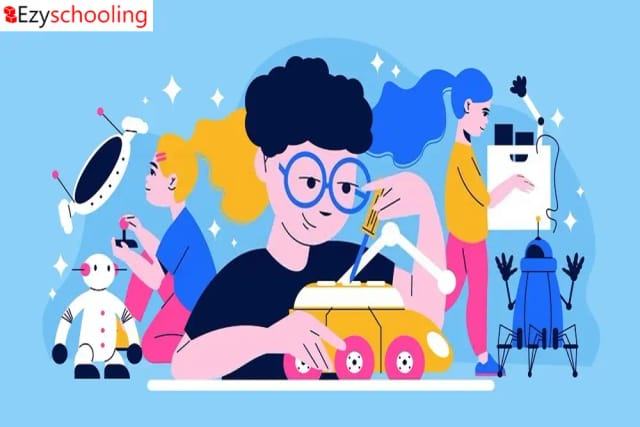
- Tinkering Labs: Modern Tinkering Labs are innovation hotspots where students explore newly developed technologies. From designing biodegradable substitutes for common goods to making solar-powered tools, students learn to use their knowledge to address practical challenges.
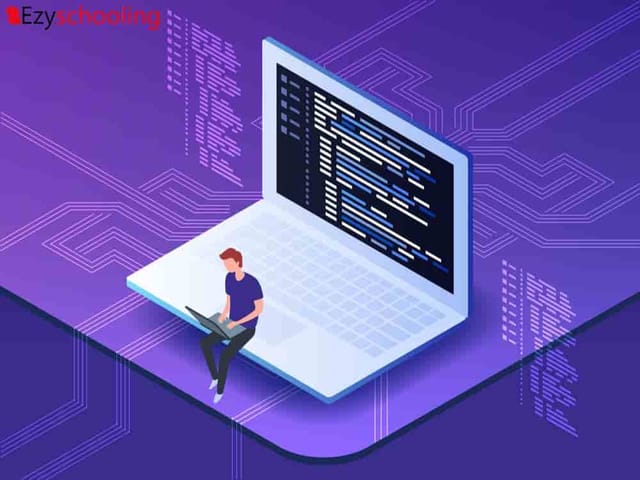
- Coding and Technology: The technology course covers basic block-based coding through sophisticated programming languages. Students work on artificial intelligence projects, design instructional games, and develop applications meeting community needs.
- Media and Design: Students run their own digital media channels, create podcasts, and work on professionally competent design projects. Often resulting in internship possibilities, the school's annual digital arts festival presents student work to business leaders.
- AgriTech Initiatives: Through the school's creative agriculture program, students learn about sustainable farming methods, engage with hydroponics systems, and create ideas for urban farming difficulties. Local communities have seen several student initiatives carried out, proving the useful influence of their knowledge.
CREST: Where Concepts Meet Application
The CREST program best illustrates multidisciplinary learning in action:
- Science and Social Studies Integration: Social Studies and Science Projects mix social influence studies with scientific ideas. For a nearby hamlet, for instance, students recently created a water conservation system using ideas of environmental science and physics, therefore addressing community concerns.
- Project-Based Learning: Students work on significant projects linked to particular UN Sustainable Development Goals every year under project-based Learning. Many times, these initiatives include working with foreign universities to expose students to global viewpoints and concerns.
- Real-World Application: Students work on real-world issues using collaborations with nearby companies and research institutes. Recent initiatives include building digital literacy programs for senior folks and environmentally friendly packaging solutions for nearby companies.
- Scientific Temper: Through practical projects, meticulous laboratory notebooks, and scientific conference attendance, students pick up research techniques. Participants in the school's annual science symposium come from all around the nation.
Check Out | Innovative Approaches in Education
Assessment and Growth Monitoring
MRIS's assessment system transcends conventional testing to include:
- Continuous Assessment: Regular feedback systems call for digital portfolios, peer reviews, and project presentations. Students get comprehensive progress reports stressing both areas of development and success.
- Multiple Intelligence Approaches: Different learning styles and intelligence types are catered for in assessment techniques by multiple intelligence approaches. From conventional assessments to multimedia presentations and hands-on demonstrations, students can show their knowledge via many channels.
- Differentiated Instruction: Teachers track student development using data analytics technologies, then modify their approaches. This customised approach guarantees that every student gets the help required for success.
- Student Portfolios: Every student's path—including academic successes, extracurricular activities, and personal development—is thoroughly captured in their digital portfolio. These portfolios help with future employment prospects and university applications.
Manav Rachna International School, Sector 51, Gurgaon: Empowering Students
Established in 2009, MRIS's educational philosophy deviates greatly from conventional wisdom. From Toddlers to Grade 10, the CBSE-affiliated school keeps an ideal 20:1 student-teacher ratio that supports individualised learning. The school's goals span the whole development in physical, cognitive, emotional, aesthetic, social, and spiritual spheres.

MRIS has received significant recognition for its educational excellence. Notably, it has been ranked as the No. 1 "High Happiness Quotient School" in Haryana and Gurugram in a survey by Education Today. Additionally, it secured the top position in the "Challengers Category" of the Times School Survey. MRIS was also honoured with the "Excellence in Developing Future Ready Skills Award" at the Elets World Education Awards. These accolades underline MRIS's commitment to providing a comprehensive and enriching education.
Although this all-encompassing approach to education requires money and dedication, it shows that when students are enabled to take control of their learning, the consequences can surpass conventional educational results. MRIS's approach is a lighthouse for schools trying to equip students not only for academic success but also for living in a world growing more complicated and dynamic as the scene of global education changes.
For more information on MRIS and other similar schools, check out this list of the best schools in Gurgaon.






 as a preferred source on