








"My child enjoys sports, but will it affect studies?”
This is a familiar conversation in many households. Parents naturally want their children to do well in academics, while children simply look forward to the part of the day that gives them joy.
Academic competition has increased quite a lot over the years. Tuition classes, extracurricular activities and packed schedules leave very little free time. When every hour seems valuable, the playground often becomes the easiest thing to sacrifice.
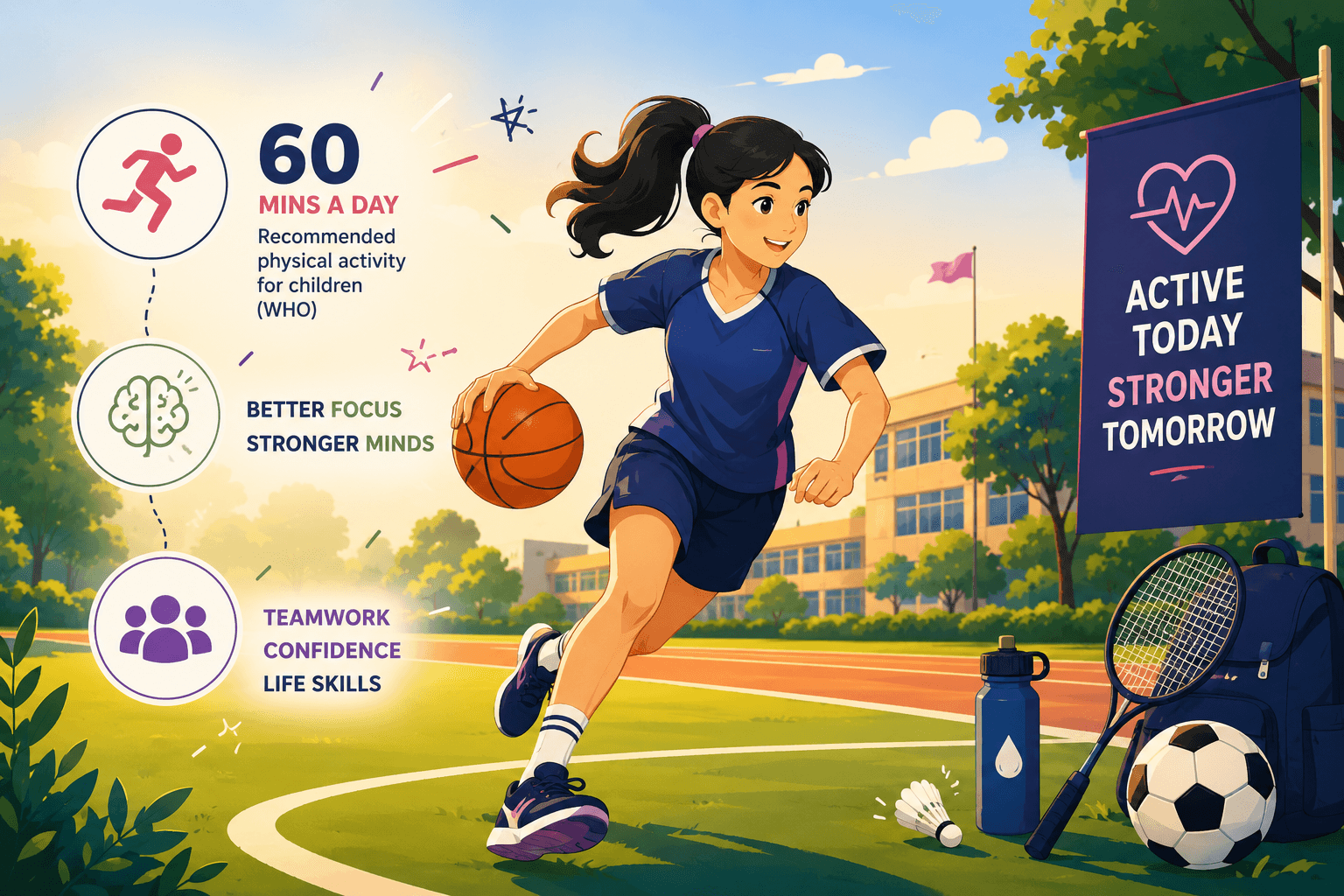
Yet research suggests that this may not be the best trade-off. According to the World Health Organization (WHO), children between the ages of 5 and 17 should get at least 60 minutes of moderate to vigorous physical activity every day. At the same time, UNESCO has consistently highlighted the role of sports in improving emotional well-being, classroom participation and social development among students.
Schools such as Ashok Hall Girls’ Residential School, one of the best boarding schools in India, well understands the importance of physical fitness alongside academic development. Let’s find out more!
Also Read | How Playing Games Can Make Your Child an Achiever?
Why Textbooks aren’t Just Enough
It is natural for parents to want to shield their kids from failure. It hurts to see them struggle or face disappointment. Yet, the playing field offers a perfectly safe space for them to fail and try again.
For example, picture a child trying out a complex game like basketball. She is bound to miss the hoop countless times at first, and might scrape a knee more than once. But every time she gets back up, that is emotional toughness in action. She learns that a setback is not the end of the story.
Academics often operate in a strict binary system of right and wrong answers. A math problem is either correct or completely wrong. On the contrary, sports operate in a valuable grey area of continuous personal improvement. A player might lose a match but still play much better than in their previous game.
This teaches children to value personal progress over immediate perfection. They learn to appreciate the quiet grind of daily practice. They start understanding that consistent effort eventually yields solid, tangible results. This specific growth mindset is arguably the greatest gift we can give to the next generation.
Essential Life Skills Forged on the Field
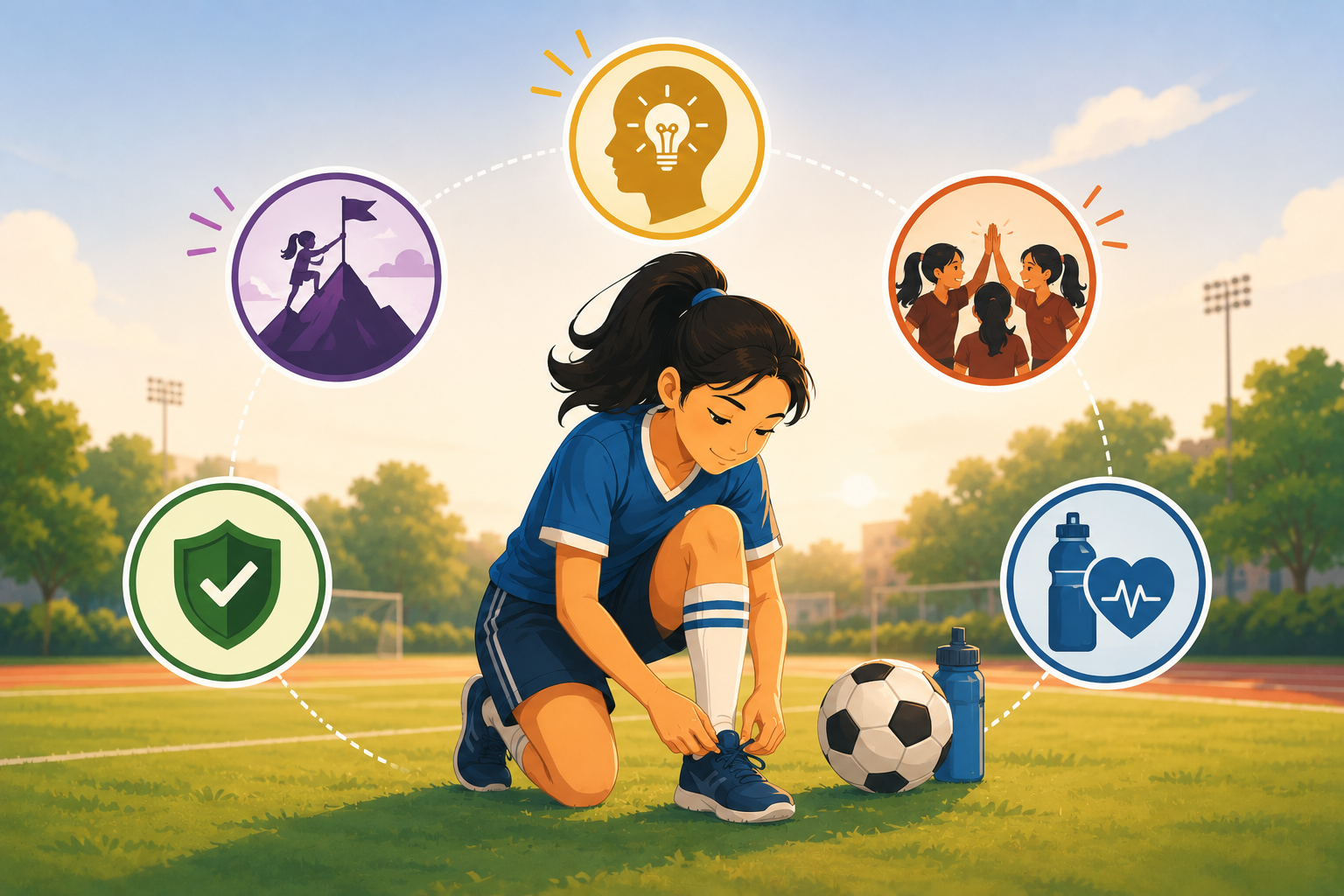
We often underestimate the immense psychological development that happens during a simple outdoor game. Children absorb critical life lessons without even realizing they are being formally taught. Here are some of the most vital ways physical activities shape young, developing minds:
- Cultivating Extreme Resilience: A dropped catch or a lost final match feels absolutely devastating to a young player. They have to learn to process this heavy disappointment quickly and maturely. They still have to show up for team practice the very next day. This specific routine builds a highly resilient, tough mindset and helps them tackle tough exams and future career hurdles later in life.
- Developing Instant Decision-Making: Outdoor games require split-second choices and incredibly sharp instincts, like “Should I pass the ball to a teammate or take the shot myself?” Kids learn to assess immediate risks and make firm decisions instantly. This heavily sharpens their cognitive abilities and greatly boosts their overall mental focus.
- Mastering Complex Social Dynamics: Group activities force children out of their quiet comfort zones. They have to talk to peers they might usually ignore in a regular classroom. They learn to resolve minor conflicts on the spot to keep the fun game moving. These daily micro interactions build immense social confidence and strong leadership skills.
- Building True Accountability: When a single player skips practice, the entire team suffers the consequences. Children quickly learn that their individual actions have real, tangible impacts on others. They develop a strong, lasting sense of personal responsibility.
- Learning to Rest and Recover: Competitive sport also teaches children to listen to their bodies, whether that means icing a sprained ankle or simply admitting they need a day off. That habit of paying attention to physical limits tends to stay with them well into adulthood.
Check Out | How Sports & PE Build Character and Resilience in School
How Ashok Hall Girls’ Residential School Encourages Fitness via Sports
Established in 1993 and one of the best girls’ boarding schools in India, Ashok Hall clearly understands that young women need a highly supportive environment to grow and succeed. The school completely removes the traditional gender biases often found in standard co-educational settings. The lush campus spans 25 acres of breathtaking Himalayan landscape.
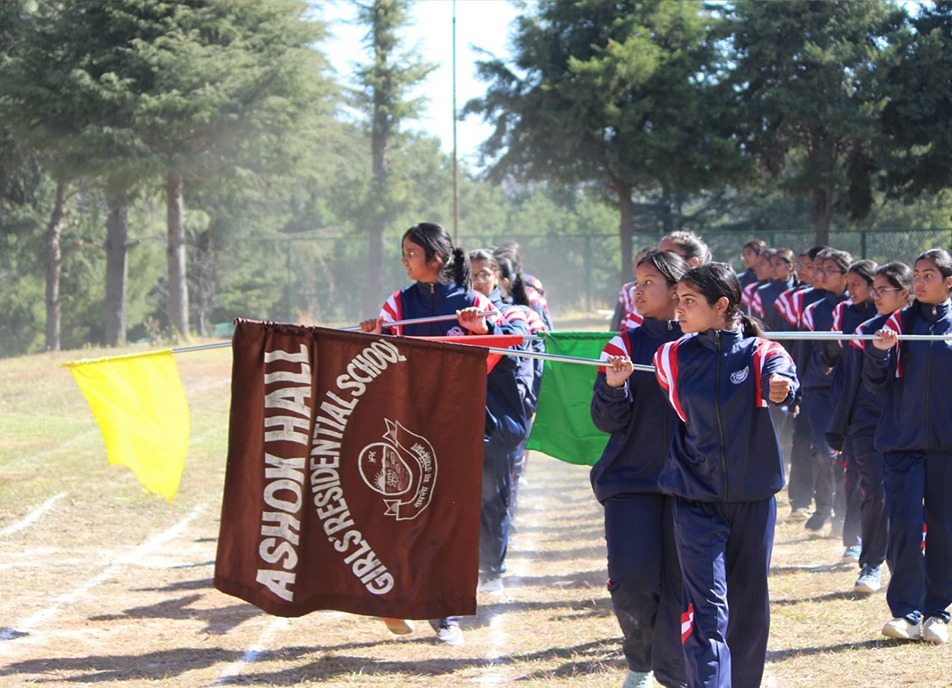
Because AHGRS is a residential school, sport is not confined to a period on the timetable. The school proudly offers an incredibly diverse range of physical activities tailored to different interests. The school's sports program is wide enough for every student to find her fit:
- Football, Basketball, and Cricket for teamwork, endurance, and strategy
- Badminton and Table Tennis for agility and quick reflexes
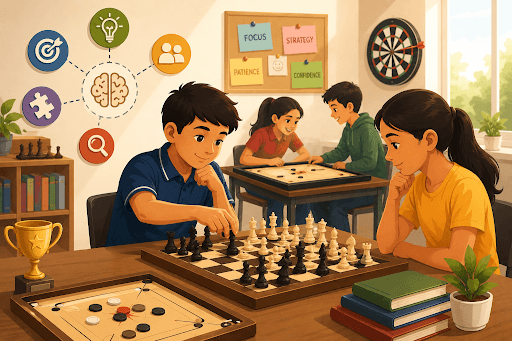
- Chess for analytical thinking and patience
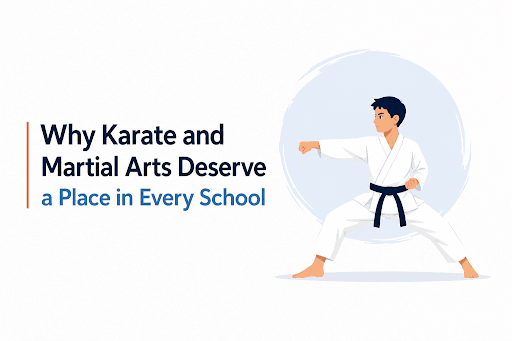
- Taekwondo for self-defence, discipline, and self-belief
- Golf and Pool for focus and precision
- A well-equipped gymnasium for strength and overall fitness
Rather than treating sports as a separate activity, they form a regular part of student life. Girls receive opportunities to train under experienced coaches, participate in inter-house and inter-school competitions, and develop skills at their own pace.
Beyond fitness, these experiences help students become more organised, independent and confident. They learn to balance academics with responsibilities, support teammates, handle victories with humility and approach setbacks with determination.
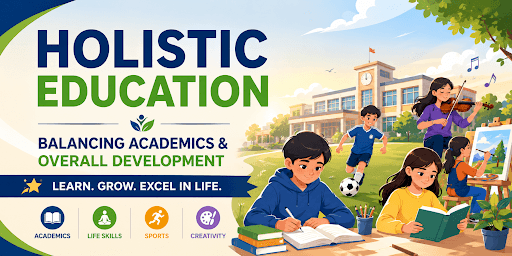
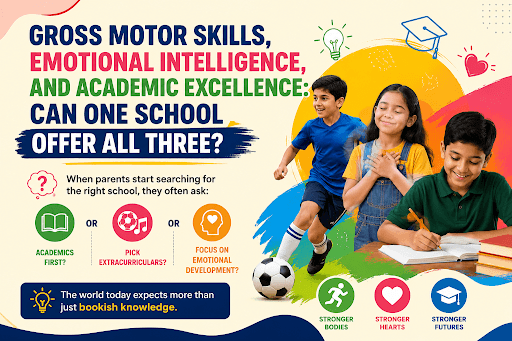
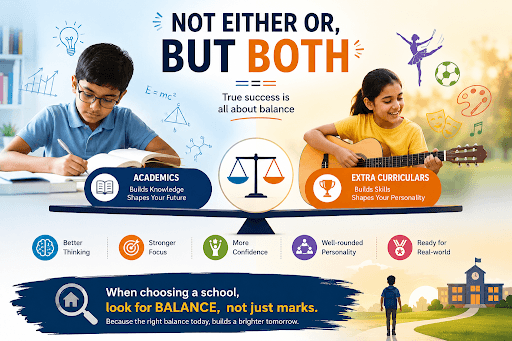
The school's approach reflects an understanding that education extends beyond classrooms. Strong academic foundations remain important, but so does giving every child opportunities to explore interests, develop healthy habits and build the confidence to take on new challenges.
For more information on this and similar other schools, check out this list of the best boarding schools in India.







 as a preferred source on