






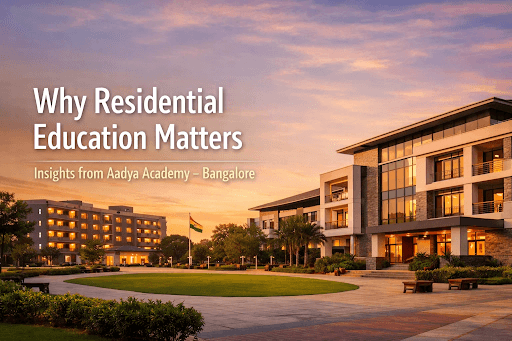

There’s something quietly powerful about waking up in a place that feels like both school and home. Not just a classroom you attend from 8 AM to 2 PM but a school that is more than just a campus, where you don’t leave when the last session of the day’s bell rings. Residential schools are a place where students not only learn from textbooks, but they also gain real-life experience, which helps them to shape their personality at early years of life.
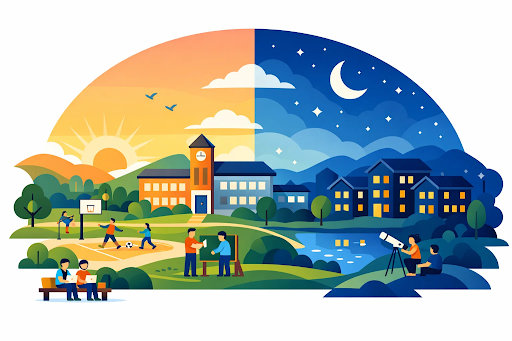
So now imagine a place where you wake up with your friends, eat at the same dining table, play your favourite sports, study at the same time and enjoy random conversations. Doesn't this sound like your own world of “Harry Potter’s, Hogwarts School of Witchcraft and Wizardry”? It sounds like a place preferred by both kids and their parents, and if you are looking for such residential education centres here in Bangalore, then you should take a look at one of Bangalore's best boarding schools: Aadya Academy.
Also Read | Unique 2-Week Bridge Course at Aadya Academy
The Shift in Education: Why the Old Model Isn’t Enough
Let’s start with a simple truth. The world has changed. According to the World Economic Forum, nearly 50% of employees will need reskilling by 2025 due to technological advancements. That means the skills our children need aren’t limited to math formulas and grammar rules. They need adaptability. Leadership. Emotional intelligence. Collaboration.
Now think about a traditional day school setup. A child studies for a few hours, comes home, gets distracted by screens, tuition classes, traffic, and noise. There’s barely time to reflect. Barely time to build independence.
Studies have shown that students in boarding environments often demonstrate higher levels of self-discipline and time management skills compared to their day-school peers. And when you really think about it, it makes sense. When children manage their routines, balance academics with activities, and live in a community, they naturally develop responsibility.

-
Growing Up a Little Faster (In a Good Way)
Imagine a 13-year-old who has never made their own bed suddenly learning to organize their schedule, participate in team sports, attend prep sessions, and still find time to read before sleep.
It changes them. Residential education nurtures independence, not in a harsh way, but gradually. Students learn to handle small challenges: resolving disagreements with peers, managing homesickness, and planning their studies before exams.
And here’s some interesting research suggesting that students who experience structured residential schooling often display stronger resilience and adaptability later in life.
They’ve already practiced living outside their comfort zones. They’ve already faced small failures, small wins, small responsibilities. Those small things shape big personalities.
-
Academics in an Immersive Environment
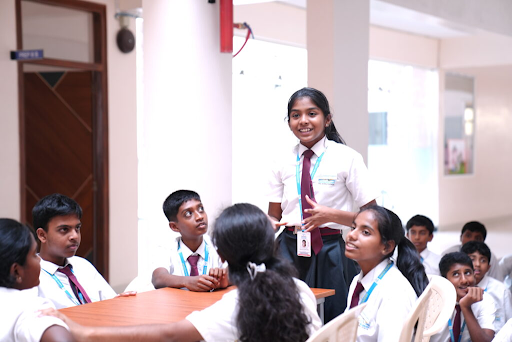
Let’s talk about academics, because that still matters. A lot, in a residential setup, learning doesn’t end when the class ends. Doubts can be clarified during supervised study hours. Teachers are more accessible. Peer discussions become richer because everyone is part of the same learning community.
And data backs this up. According to various educational performance studies in India, structured residential schools often report consistent academic performance with higher participation in competitive exams and co-curricular excellence.
-
Character Building Beyond the Classroom
Here’s something we don’t talk about enough. Character. Confidence. Empathy. When children live together, from different cities, different backgrounds, different cultures, they learn something no textbook can teach understanding. They celebrate festivals together. They share meals. They argue and then forgive. They support each other before competitions.
In a way, residential schools become micro-societies. Safe spaces where students experiment with identity. Where they discover what they like. Who they are. Sometimes parents worry “Won’t they feel lonely?” They might in the beginning. But that phase passes. And what replaces it is a sense of belonging that is different from home, but equally meaningful.
Check Out | Lifelong Learning Starts Young: How Schools Can Instill a Growth Mindset Early
Where Aadya Academy Fits Into This Conversation
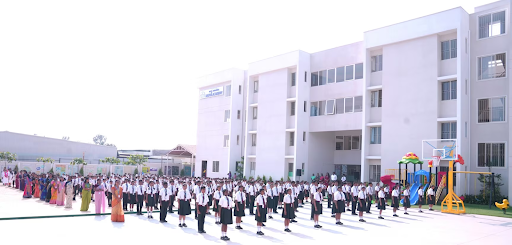
Now, let me bring this closer to Bangalore. Aadya Academy – The Residential School stands as an example of how modern residential education is evolving in India. Located in Bangalore, the school blends structured academics with a holistic residential experience.
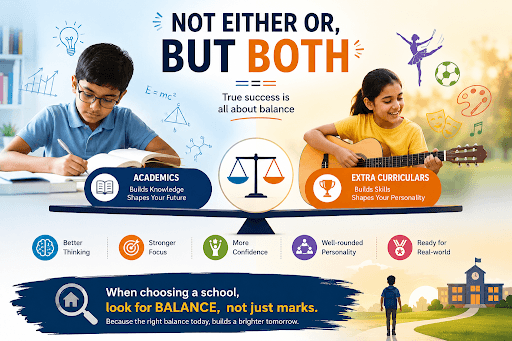
What makes it interesting is the balance. At Aadya Academy, the focus isn’t just on exam scores though academics are taken seriously, but on nurturing discipline, leadership, and co-curricular engagement within a safe residential campus. The idea is simple but powerful: education should shape personality, not just mark sheets.
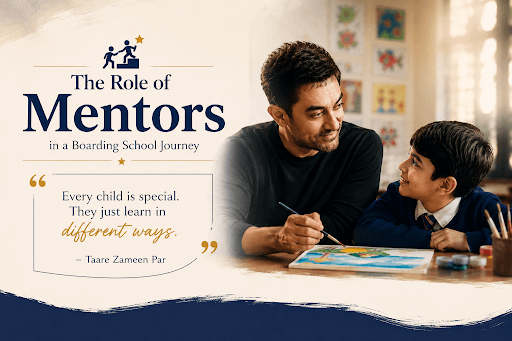
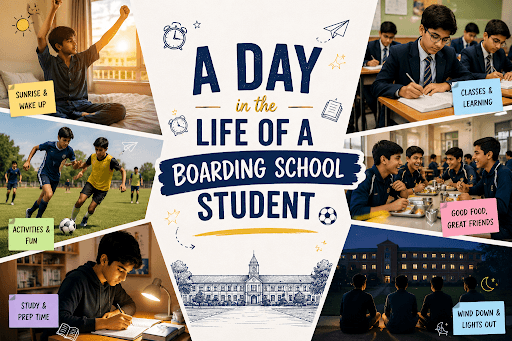
Students live in a well-supervised residential environment where routines are thoughtfully designed. Study hours are structured. Physical activities are encouraged. Creative pursuits are given space. And because the school operates as a residential institution, teachers and mentors are deeply involved in students’ day-to-day growth. It creates continuity. Learning doesn’t feel fragmented.
Bangalore as a Learning Ecosystem
Being located in Bangalore also adds another layer. The city is known as India’s Silicon Valley, a hub for innovation, startups, and global exposure. For a residential school to operate in such an environment means students are indirectly influenced by a culture of ambition and progress. They grow up seeing possibilities around them. It matters more than we realise.
The Emotional Side of Residential Schooling
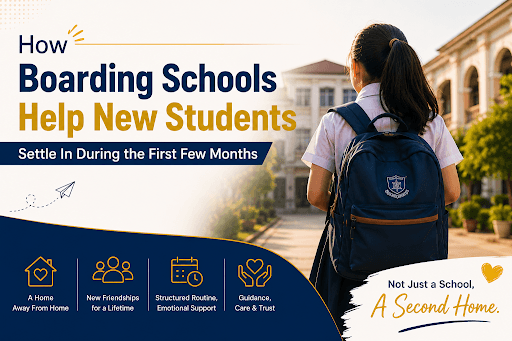
Now let’s talk honestly. Residential schooling isn’t easy. The first few weeks can be overwhelming. New faces. New rules. Missing home-cooked food. Missing parents.
And sometimes children feel like they are not ready. Or that they can't adjust immediately. But that discomfort? It teaches growth. Over time, students build emotional intelligence. They learn to communicate better. They become less dependent, more confident. They start solving problems instead of waiting for someone to solve them for them.
It’s like life training. But in a safe environment. And parents often notice the difference during vacations. Their child speaks differently. Think differently. Carries themselves differently.
A Balanced Perspective
Of course, residential education isn’t a one-size-fits-all solution. Every child is unique. Some thrive in day schools. Some flourish in residential environments.
The key is understanding the child’s temperament. But what cannot be denied is this: when done right, residential schooling builds structure, independence, and community in ways that are hard to replicate elsewhere. Schools like Aadya Academy – The Residential School show how the model can be both academically rigorous and emotionally supportive.
The Final Thoughts
If you ask me personally? Residential education feels like giving a child a rehearsal space for life. A place where mistakes are allowed. Growth is monitored. Friendships are deep. Learning is constant. And in a world that is moving fast, sometimes too fast, giving children a structured yet nurturing environment might just be one of the wisest decisions we make.
Not because it guarantees success. But because it prepares them for it. And that, I think, matters.
For more details on this and other nearby boarding schools, see this list of the top Schools in Bangalore.

 as a preferred source on