









The inability of students to understand a few concepts from their previous grade creates one of the biggest yet ignored problems in today's schools. It happens when students miss important ideas and skills from earlier grades. These gaps pile up over time. Students then struggle more and more to understand new and harder lessons.
Some of the best schools in Bangalore are stopping to use only regular teaching methods to fix this issue. Instead, they should start with official bridge courses before the session begins for the next grade. These bridge courses work like safety nets for learning. They make sure every child starts the new grade from the same starting line, and no one trips over old problems from past years.
Also Read: From Skills to Success: Role of Value Added Programs
Why Learning Debt in Indian Classrooms is a Silent Epidemic?
India faces a serious problem with learning gaps, and the facts prove it clearly. The Annual Status of Education Report from 2023 shows that 25% of young students aged 14 to 18 cannot read a standard 2nd grade text smoothly in their local language. Also, more than 56% of students in this age group find it hard to do basic division problems with three-digit numbers divided by one-digit numbers, which they should know well by 4th grade.
These numbers point to a big gap in learning. Schools promote students to higher grades based on their scores or age, but many lack the basic thinking skills they need from earlier years. Experts call this the accumulated learning deficit. For example, when a 7th grade student has trouble with algebra, it usually happens because they never really learned the simple math operations from 5th grade. Without special help like a bridge course, these problems grow bigger each year, and students often lose interest completely.
Why the Summer Holidays Make Things Worse?
Studies show that students lose about 20 to 30 percent of their reading and math skills from the school year over summer breaks. This summer holiday period makes their learning gaps even bigger over time. Teachers start the new lessons right away when school reopens, which leaves behind kids who forgot things during the vacation. A bridge course gives them time to catch up and fix this problem before learning anything new.
The Strategic Solution: How a Bridge Course Works?
A bridge course does much more than just review old lessons. Teachers design it carefully with science to get students ready for new schoolwork. Regular classes rush to cover the whole syllabus, but a bridge course prepares the student's brain first.
1. Finding Weak Spots
Teachers start with tests that check exactly where students struggle. Schools create maps of these weak areas in understanding. For example, a teacher may discover that 90% of the class knows fractions well, but only 40% get decimals right. This information guides all the lessons for the coming weeks.
2. Fixing the Gaps
After finding the gaps, teachers spend special time fixing them with fresh teaching methods. They re-teach those concepts in ways different from last year. If a textbook did not help a student grasp a concept before, teachers now use pictures or fun games to make it clear and lasting.
3. Getting Ready Mentally
Moving to a higher grade often creates worry, especially from primary to middle school. A bridge course gives students a gentle start to ease this change. They get time to meet new teachers, learn classroom rules, and handle bigger challenges without homework or tests right away.
The Impact: Why Schools Must Adopt This Model?
Schools see clear results when they make bridge courses a regular part of their programs. Studies show that students in these structured bridge programs score 40 to 60% higher on first-semester exams than students who jump right into the main lessons. Students remember new information much better when they first grasp the why and how of past concepts. This stronger grasp leads to higher retention rates overall.
Teachers gain a clear view of their class knowledge level right away. They learn in June if half the class struggles with basic sentences instead of finding out in mid-October. Then teachers adjust their lesson plans to fit the group's needs. Bridge courses create fairness in education for students from all backgrounds. Some students have private tutors at home while others do not. Bridge courses even the chances so lack of home help does not cause long-term failure.
Also Read: Rising Strong: Building Resilience in the Classroom and Beyond
Aadya Academy: Leading the Way with the 2-Week Bridge Programme
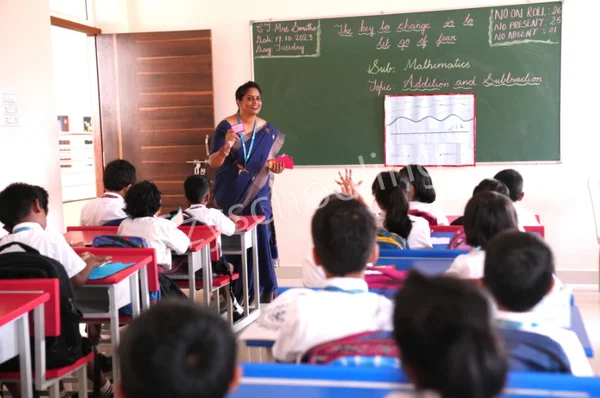
Many schools notice learning gaps in students, but Aadya Academy - The World School, one of the best CBSE schools in Bangalore, takes real action to fix them. The school runs a required 2-Week Bridge Programme at the start of every academic year, which shows other schools a clear way to manage changes between grades.
Planned Schedule
Aadya Academy makes the Bridge Programme a major part of its school calendar from the beginning. Teachers replace the regular timetable with a special Refurbishment Schedule for the first two weeks of the year. They ensure no new lessons begin until every student feels ready for the new grade.
Custom Learning Plans
Teachers at Aadya Academy create special plans just for these two weeks by checking data from the previous year. They skip general workbooks and focus on each group's needs instead. This method helps students master important ideas before moving forward.
Major Concept Review
Teachers refresh basic concepts that students need for the new grade during this time. For example, math teachers for Grade 6 students review fractions and shapes from Grade 5 in detail. They target weak spots from vacations to wake up students' minds for fresh learning.
Group Support System
Aadya Academy cares about every student and makes sure no one feels left out during the programme. All students join together, which creates a fair start without extra after-school classes. Teachers connect with students to learn their styles, like seeing, hearing, or doing, for better teaching later.
Ready for New Lessons
By the end of the two weeks, students feel strong in basics and excited for the main classes. The school invests this time upfront so kids engage more and worry less all year. Parents see calmer children who succeed with confidence in their studies.
Conclusion
The evidence clearly shows that ignoring learning gaps leads to big problems in school. About 25% of Indian teenagers cannot read basic things well, and even more struggle with simple math calculations. Schools must change their old way of rushing through lessons and instead focus on fixing weak areas/concepts step by step, like stacking strong blocks one by one.
Aadya Academy - The World School proves this works with its special 2-week Bridge Programme. The school invests time to help students understand old concepts first before teaching anything new.
Every school in India should use this smart two-week bridge plan. It can erase the huge backlog of missed learning for millions of kids in India. This approach creates a generation of students who understand concepts well and gain real skills and true knowledge.
To learn more about this and other schools nearby, see this list of the top schools in Bangalore.










 as a preferred source on