








Chess is more than a game of black and white squares; it is a powerful educational tool that sharpens young minds while teaching strategy, patience, and critical thinking. Beyond academics, activities that challenge reasoning and decision-making play a vital role in shaping confident, agile thinkers ready to take on life’s complexities.
WisdomWood High, one of the best schools in Bangalore, exemplifies this modern vision through its unique curriculum that blends academic excellence with experiential learning. The school achieves this by integrating Montessori methods in early years and project-based, interdisciplinary learning as students progress through higher grades.
This article explains how chess strengthens mental abilities, nurtures focus, and supports a child’s overall growth, while showcasing how one school incorporates the game into its co-curricular framework to promote balanced development.
Also Read | Weaving Learning into Life | The Well-Knit Curriculum of WisdomWood High
What Parents Expect from Co-Curricular Exposure
Parents today look for schools that do more than teach academics. They want spaces where children can learn life skills, explore their interests, and grow into confident, well-rounded individuals. Chess, with its emphasis on logic and strategy, directly aligns with these expectations by helping children develop skills that last a lifetime.
Key benefits of such exposure include:
-
Strategic skill development: Chess encourages children to plan several steps ahead, analyze different outcomes, and make thoughtful choices. This strengthens their problem-solving ability and trains them to stay calm under pressure.
-
Exploration of interests: Activities like chess give children the freedom to discover what excites them beyond textbooks, fueling creativity and curiosity that support lifelong learning.
-
Balanced growth: Chess blends discipline with enjoyment, helping children experience the value of focused practice while still having fun, which keeps them motivated in both academics and extracurriculars.
-
Transparent communication: Recognizing and celebrating small victories builds confidence and shows children that consistent effort is as important as winning.
-
Safe, motivating environment: A supportive space allows children to take intellectual risks, try new strategies, and learn from mistakes without fear, an essential part of building resilience.
Club Activities that Spark Growth

Clubs provide an active platform for students to develop diverse talents while applying lessons from the classroom to real-world situations. Chess is particularly effective because it teaches strategic thinking and patience, but other club activities also nurture key aspects of a child’s growth.
These varied activities ensure that children develop collaboration, planning, and execution skills, preparing them for future leadership roles and well-rounded success. Such opportunities create true co-curricular excellence.
Examples of how these clubs help children include:
-
Robotics and science clubs: Encourage logical thinking and innovation by challenging students to solve complex problems through technology and experimentation.
-
Debate and drama clubs: Build strong communication skills, self-confidence, and the ability to express ideas clearly, skills that help in both social and academic settings.
-
Art and environment clubs: Inspire creativity and social responsibility by encouraging students to care for their surroundings while expressing their imagination.
-
Leadership and community clubs: Promote teamwork, empathy, and decision-making by involving students in projects where they learn to guide others and take initiative.
These varied activities ensure that children develop collaboration, planning, and execution skills, preparing them for future leadership roles and well-rounded success.
How Chess Participation Builds Confidence and Skills
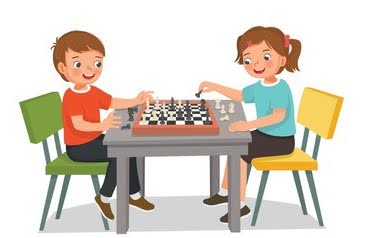
Chess is often described as a “gym for the mind,” and for good reason. Every game is a lesson in strategy, discipline, and adaptability, teaching children to think critically and act with purpose while sharpening their analytical skills.
Key developmental benefits of chess include:
-
Sharper focus and stronger memory: Calculating moves and recalling strategies improve memory and concentration, boosting performance in academic subjects like mathematics and science.
-
Patience and foresight: Planning ahead teaches children to anticipate consequences and value long-term goals over instant gratification.
-
Emotional intelligence: Learning to handle victories and defeats gracefully builds resilience and teaches children to stay composed under pressure.
-
Confidence through mastery: Successfully executing complex strategies gives children a sense of accomplishment, reinforcing self-belief and encouraging them to take on new challenges.
-
Adaptability: Adjusting strategies mid-game fosters flexible thinking, helping students respond effectively to unexpected situations in everyday life.
WisdomWood High: Strategic Minds Nurtured through Chess
WisdomWood High is one of the best CBSE schools in Bangalore, located near Begur Lake. The school offers education from foundational levels to higher grades, blending strong academic programs with modern teaching practices. Its well-designed infrastructure features technology-enabled classrooms, innovation labs, vibrant activity spaces, and dedicated indoor areas that support chess and other skill-building activities, ensuring students receive a balanced and enriching learning experience.

At WisdomWood High, chess is woven into the regular co-curricular timetable rather than treated as a casual pastime. Expert mentors lead structured sessions where students learn the art of strategy, decision-making, and critical thinking. Regular inter-house and inter-school chess tournaments provide exciting opportunities for students to apply their skills, experience healthy competition, and gain confidence in public settings, all while enjoying the intellectual challenge the game offers.
The school’s teachers and mentors take an active role in identifying and nurturing each child’s unique talents, ensuring that every student feels motivated to explore chess and other activities. By fostering a safe and inclusive atmosphere, the staff encourages students to experiment, take intellectual risks, and learn from both success and failure. This culture of guidance and celebration helps children build resilience, self-belief, and a lifelong passion for learning.
For more information on this and other similar schools in the area, check out this list of the best schools in Bangalore.
 as a preferred source on