








Movement is the language of learning. Every step, gesture, and physical interaction represents a complex dialogue between the body and the brain, creating pathways of understanding that extend far beyond simple motion. Psychomotor skills encompass the intricate relationship between cognitive processes and physical actions, forming a critical foundation for comprehensive educational development.
Satya School, one of the best schools in Gurgaon, exemplifies this holistic approach to learning, where movement is not just an auxiliary activity but a core component of academic excellence. The school's innovative approach demonstrates how physical development intertwines with intellectual growth, creating a dynamic educational environment that nurtures students' complete potential.
In this article, we explore the critical role of psychomotor skills in educational development, examining how physical movement and cognitive processes intertwine to enhance learning outcomes. Movement is the language of learning, representing a complex dialogue between the body and the brain that creates pathways of understanding extending far beyond simple motion.
Also Read | Learning Beyond School Hours: How Before & After-School Programs Empower Students at Satya School
Understanding Psychomotor Skills in Education
Psychomotor skills represent the intricate connection between mental processes and physical actions. These skills encompass a range of abilities that involve coordinated movement, from the most delicate finger movements to complex full-body actions. In educational contexts, psychomotor skills play a crucial role in a student's ability to learn, process information, and interact with their environment.
Let us look at some of the key benefits of using psychomotor skills in education:
- From Cognition to Physical Actions: When students physically demonstrate what they've learned mentally, they reinforce neural pathways connecting theory with practice. This process engages multiple learning systems simultaneously, creating stronger memory formation.
- Transforming Abstract Concepts into Experiences: Abstract ideas become accessible when students interact with them physically. Understanding mathematical ratios through measurement or comprehending geography through 3D models provides concrete experiences that make complex concepts easier to grasp.
- Engaging and Comprehensive Learning: Physical involvement increases student engagement by appealing to kinesthetic learners and providing sensory variety. This multimodal approach addresses various learning styles, reducing boredom and increasing motivation.
The Brain-Body Connection: How Movement Enhances Learning
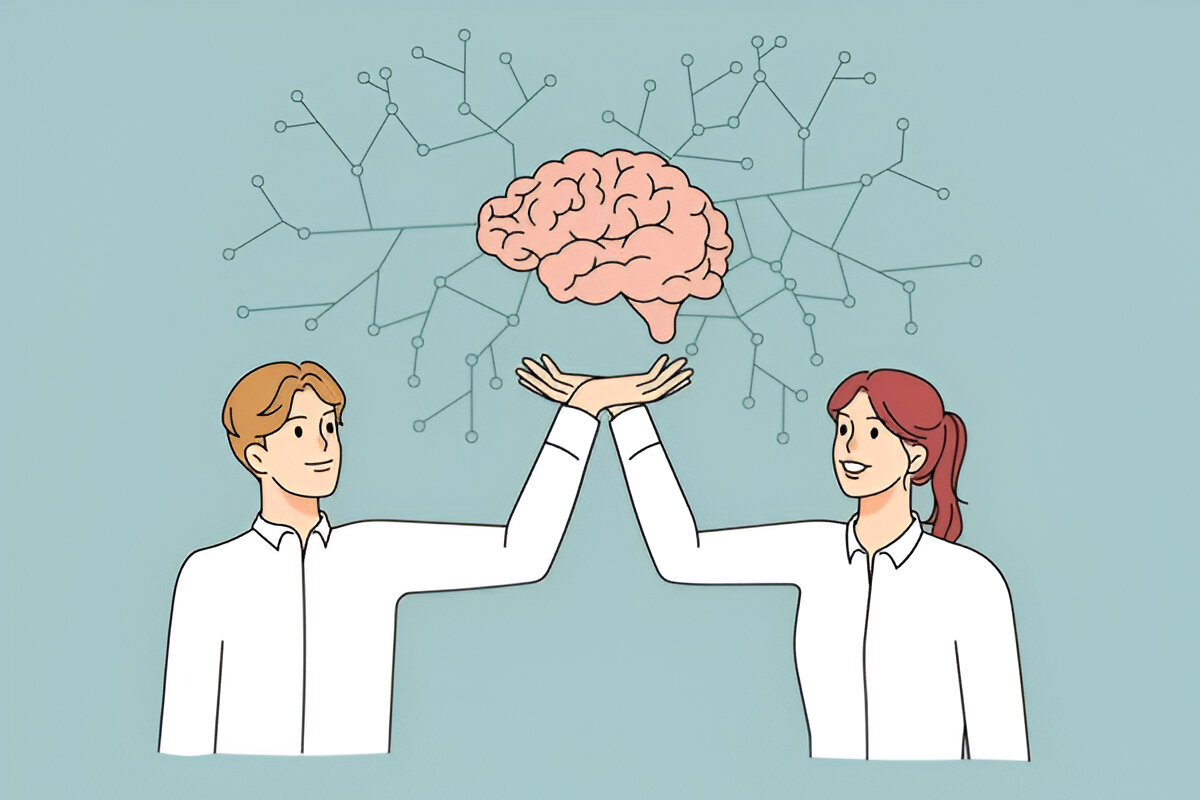
The human brain thrives on movement. Physical activity triggers a cascade of neurological responses that enhance cognitive function. When students engage in coordinated movements, their brains create new neural connections, improving memory, concentration, and overall learning capacity.
Types of movement and their cognitive impacts:
- Rhythmic Movements Improve Attention Span: Activities like dancing or clapping patterns synchronize neural firing in brain areas responsible for focus. These movements create "relaxed alertness" optimal for learning, allowing longer concentration without mental fatigue.
- Complex Motor Tasks Enhance Problem-solving: Activities requiring coordination develop prefrontal cortex areas associated with planning and problem-solving. These challenges teach students to analyze and adapt, with skills ultimately transferring to academic work.
- Coordinated Actions Stimulate the Brain: Activities requiring coordination activate multiple brain regions simultaneously. This cross-hemisphere integration improves cognitive efficiency and creates sophisticated neural networks benefiting learning across subjects.
Developmental Milestones: Psychomotor Skills by Age
Psychomotor development follows a predictable yet unique path for each child. From the earliest years, children progress through critical stages of physical and cognitive integration. Fine motor skills develop as children learn to manipulate small objects, while gross motor skills enable them to navigate their physical environment.
As students grow, these skills become increasingly sophisticated. What begins as simple hand-eye coordination transforms into complex abilities like playing musical instruments, participating in team sports, or performing scientific experiments. Each developmental stage builds upon the previous one, creating a cumulative approach to physical and cognitive growth.
Integrating Psychomotor Activities in the Curriculum
Physical movement in education fundamentally transforms how students absorb and process information. By designing lessons that integrate bodily movement, educators can create more dynamic and inclusive learning environments.
Let us look at a few strategies through which we can integrate psychomotor activities in the curriculum:
- Movement Breaks: Short, structured activity periods between lessons refresh students' focus and energy. These 3 to 5 minute breaks improve blood flow to the brain and help students process information more effectively.
- Learning Stations: Creating physically separate areas for different activities encourages movement throughout the classroom. Students travel between stations, engaging different muscle groups while experiencing varied learning approaches for the same content.
- Manipulatives and Hands-on Materials: Providing physical objects for students to handle, sort, and organize develops fine motor skills while reinforcing abstract concepts. These tangible items create a multisensory learning experience that deepens understanding across subject areas.
- Role Play and Dramatic Interpretation: Encouraging students to physically act out concepts, stories, or historical events engages their whole body in the learning process. This embodied learning helps students internalize information by connecting physical movements to cognitive understanding.
- Subject-Specific Movement Integration:
- In mathematics, using body positions to demonstrate angles or walking number lines to understand operations
- In language arts, creating physical movements that represent different parts of speech or punctuation marks
- In science, physically modeling molecular structures or acting out natural processes
- Outdoor Learning: Taking lessons outside allows for larger movements and natural exploration. The varied terrain and open space provide rich sensory input that enhances cognitive processing and memory formation.
- Technology-enhanced Movement: Using motion-sensing devices or interactive floors that respond to movement can gamify learning. These tools make physical activity an integral part of digital education rather than competing with it.
- Cross-Curricular Movement Projects: Designing activities that integrate multiple subjects through movement-based tasks creates deeper connections between content areas. For example, combining mathematical measurement with physical education by having students calculate distances they can jump or throw.
Check Out | How Multiple Intelligence Theory Empowers Your Child to Thrive
Satya School: Achieving Psychomotor Excellence in Education
Located in Sector 49, Gurgaon, Satya School stands as a beacon of holistic educational development. Established in 2016, the school spans a 5-acre campus that reflects its commitment to comprehensive student growth. Offering both CBSE and IB Board programs, Satya School provides a world-class educational experience that prioritizes both academic and physical development.

The school's facilities are a testament to its philosophy of integrated learning. With an all-weather swimming pool, squash courts, basketball court, football ground, cricket nets, and a multi-purpose hall, Satya School offers students unprecedented opportunities for physical development. These facilities are not mere amenities but integral components of the school's educational approach.
One of the best CBSE schools in Gurgaon, Satya School's vision extends beyond traditional educational boundaries. The institution believes in nurturing students who are not just academically proficient but also physically capable and emotionally intelligent. By providing a balanced environment that equally values intellectual and physical growth, the school prepares students for the multifaceted challenges of the modern world.
For more information on this and other such schools in the area, check out this list of the best schools in Gurgaon.











 as a preferred source on