







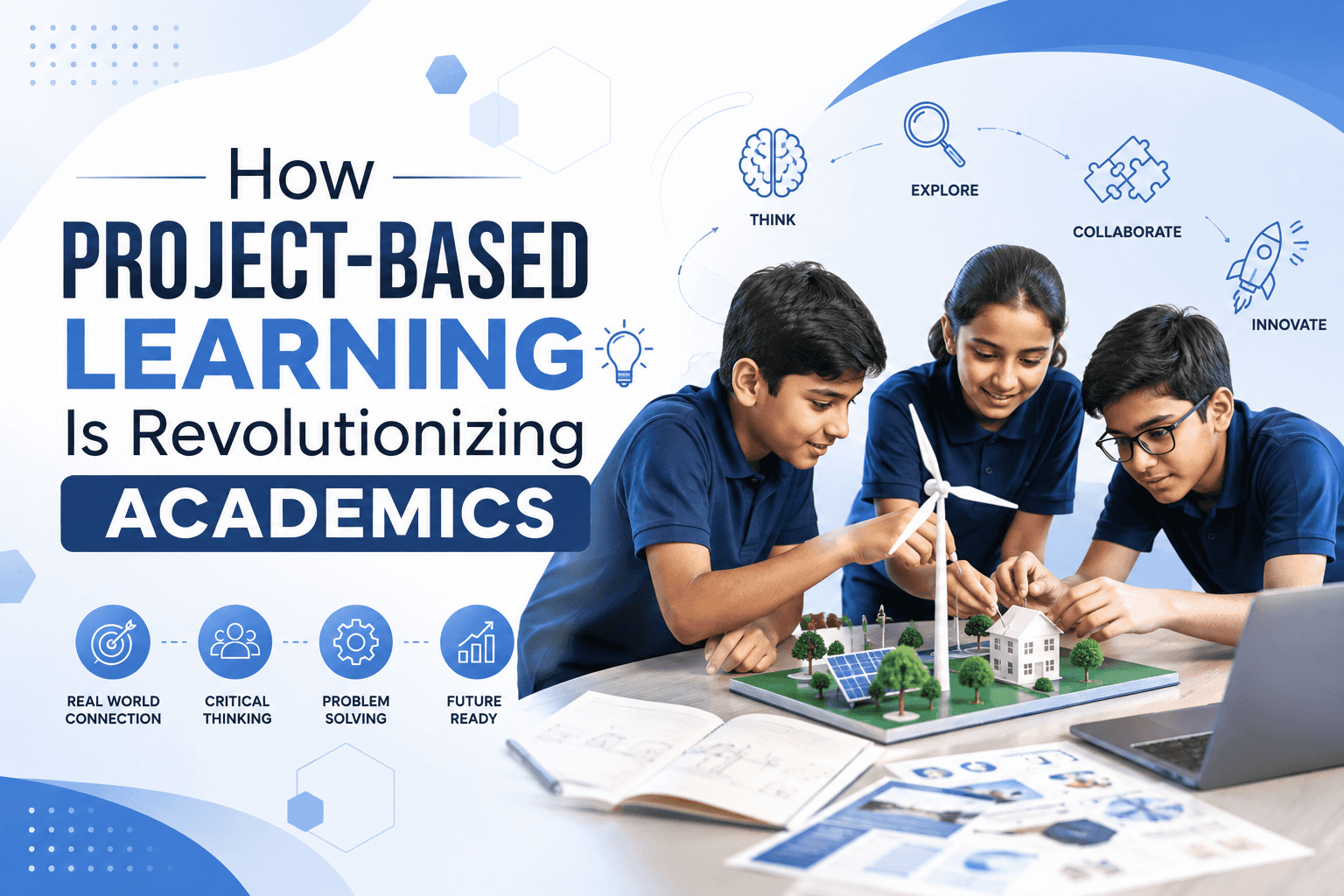

Earlier, studying a chapter just meant learning the definition by heart. A marketing chapter comes up, you memorize the four Ps, write it down in the exam, and honestly forget most of it in a week. That's just how we studied. Nobody really questioned it.
But that's changing. Slowly, but it's happening. Schools are moving away from this whole memorize-and-forget cycle. Project-based learning is taking over instead, and it's actually a big shift. Kids aren't just reading about marketing anymore; they're doing it. Making a mini campaign, pitching an idea, figuring out what actually works.
That's what this article is about: how project-based learning is changing academics for good. Not sitting through lectures and hoping it sticks, but actually being part of the process. Delhi World Public School is one example; it's already among the top schools in Knowledge Park V, Greater Noida, doing this, and it shows in how the students learn day to day.
Also Read: 5 Skills Your Child Will Need in 2035
What is Project-Based Learning & How Does It Work?
.png)
Project-based learning, or PBL, means kids learn by actually doing something, not just reading about it. The teacher gives them a real question or problem. They research it, plan it, build something, then show it to the class.
Let's take democracy. Normally, a kid reads the definition, learns how a government works, and answers a few questions in the exam. That's it. In a project-based class, it's different. Students run their own mock election. They form parties, write manifestos, campaign, vote, the whole thing. Now democracy isn't just a paragraph they read once. They've actually done it. They get why campaigns matter and how votes turn into decisions, because they went through it themselves, even if it's just a classroom version.
Same thing happens in science. A chapter on renewable energy, instead of just reading it, kids might build a small solar model. Or they check how much electricity their school uses and think of ways to cut it down.
Language class works this way too. Skip the grammar worksheets; students write and act out a short play instead. They're using the language for something real, not just memorizing rules.
And exactly that’s the whole point: when you do something yourself or when you put your effort into something, then you remember it for life.
Benefits of Project-Based Learning for Students
So what do kids actually get out of this? Quite a lot, honestly.
1. They remember things longer: You don't forget something you built with your own hands, but a definition crammed the night before an exam is gone in a week.
2. They learn teamwork: Most projects aren't a solo job; kids end up working in groups, sorting out who does what, sometimes arguing over it too, which is basically what happens in any job later in life.
3. They get better at solving problems: When you're stuck on an actual project, there's no textbook page with the answer; you have to think, try something, fail maybe, try again.
4. They stay more interested: Sitting through a 40-minute lecture versus actually building something or working on a real problem, it's not even close.
5. They build confidence: Standing up and presenting your own project in front of the class does something to a kid; it's different from just answering a question you memorized.
6. They understand topics better: Reading about how a business works is one thing; actually running a small mock business for a project is when it really clicks.
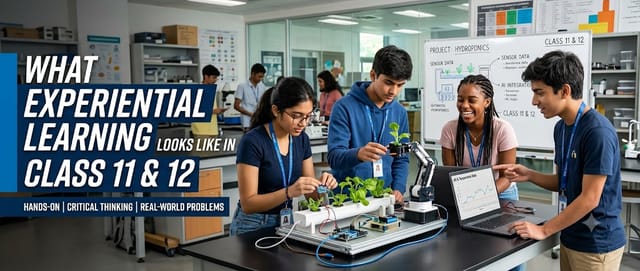
Also Read: Why Experiential Learning is Transforming Modern Education
DWPS: Where the Revolution is Already Happening
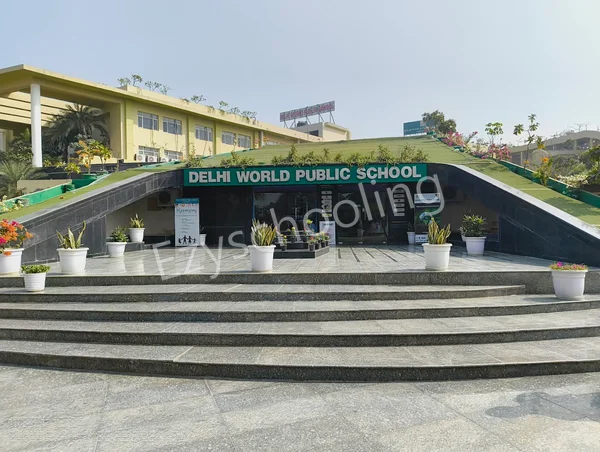
Delhi World Public School is a good example of this in action. It's one of the best CBSE schools in Greater Noida West, and honestly, you can tell just by walking into a classroom there that things aren't run the old way anymore. Teachers aren't just rushing to finish the syllabus and move on to the next chapter. They're actually building lessons around real problems, stuff that connects to actual life, not just examples sitting in a textbook.
Say it's a social studies class. Instead of just reading about local governance, students might end up working on an actual community issue, maybe waste management in their area, and come up with a real plan for it. Or take math; instead of solving the same kind of sums over and over, kids might be handed a budget and asked to plan an entire school event with it, figuring out costs, cutting corners where needed, making decisions on the spot. They're not memorizing the concept anymore; they're actually using it, which honestly is a completely different way of learning something.
And it's not just about grades either. Kids at DWPS are picking up stuff that doesn't really show up on a report card but matters a lot down the line. Thinking on their feet when something doesn't go as planned. Working with a group even when everyone has a different opinion. Explaining an idea clearly instead of just writing it down. Figuring things out without someone handing them the answer first.
That's really the whole point of project-based learning, and DWPS isn't just talking about it or putting it on a brochure somewhere; they're actually doing it in their classrooms, every single day.
For more information regarding this and the other schools in the nearby area


 as a preferred source on