








Education is no longer about preparing children for yesterday’s world. It’s about equipping them for tomorrow and a future where adaptability, innovation, and integrity will define progress. Outcome-Based Assessment is a powerful step in that direction. By placing the learner at the heart of education, it reimagines success not as a fixed destination, but as a lifelong journey of growth, purpose, and discovery.
In this article, we’ll explore what OBA truly means to uncover why traditional assessments fall short. We'll also dive into the key benefits of this learner-centric model and how TCIS Varthur, one of the best schools in Bangalore, brings this vision to life in its classrooms, empowering students with purpose, skills, and the confidence to thrive beyond academics.
Also Read | Where Every Child Leads the Way: The Child-Centered Journey
What is Outcome-Based Assessment?
Outcome-Based Assessment (OBA) shifts the spotlight from what is taught to what is learned and demonstrated. Unlike conventional methods that emphasize rote learning and standard tests, OBA focuses on specific learning outcomes such as the skills, attitudes, values, and knowledge a student should possess by the end of a course or academic level.
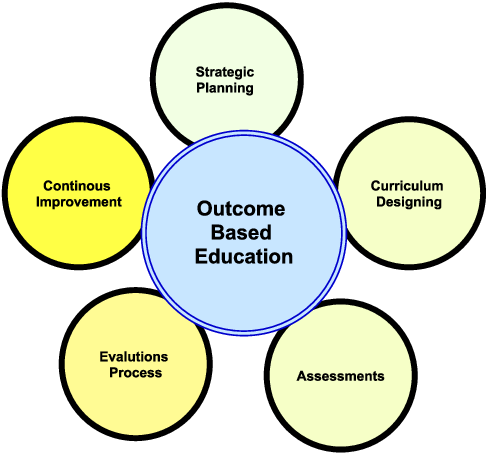
These outcomes aren’t just academic in nature. They encompass a broader spectrum: critical thinking, problem-solving, creativity, emotional intelligence, collaboration, ethical reasoning, and adaptability. In this model, the curriculum, teaching methods, and assessments are all aligned to ensure that students actually achieve these outcomes, rather than just pass through a system.
The beauty of OBA lies in its learner-centric design. Every student is encouraged to progress at their own pace, demonstrate mastery in a way that suits their learning style, and reflect deeply on their learning journey. It prioritizes growth over grades, and understanding over repetition.
Why Traditional Assessment Falls Short
Traditional assessment systems have long focused on standardization, one-size-fits-all exams, fixed formats, and an overwhelming dependence on memory recall. While such systems can offer quick metrics, they often fail to capture a child’s true potential. Here’s where the problem lies:
- Limited Scope: Traditional tests measure how well students can memorize and regurgitate content under timed pressure, offering little insight into conceptual understanding or application.
- Neglect of Soft Skills: Skills like empathy, communication, teamwork, and adaptability are often overlooked, despite being crucial for success in life.
- High-Stakes Pressure: The emphasis on scores and rankings adds unnecessary stress and often distorts the purpose of education, making it more about competition than comprehension.
- Lack of Individualization: Every student learns differently. Traditional assessments rarely accommodate diverse learning needs or strengths.
The Bigger Picture: Redefining Student Success
What if student success wasn’t measured by a number, but by the ability to think independently, work collaboratively, and navigate change with confidence? Outcome-Based Assessment invites us to envision this future. It celebrates learning as a journey, not a race. It helps children discover their voices, strengths, and aspirations. It transforms teachers into facilitators and mentors, guiding each learner toward personal and academic fulfillment.
More importantly, OBA instills in students the joy of meaningful learning. They’re not studying because they have to, they’re learning because they want to, because it makes sense, and because it matters.
Benefits of Outcome-Based Assessment
Outcome-Based Assessment addresses these gaps with a more holistic, inclusive, and empowering approach to education. It reshapes the learner experience in profound ways:
- Clarity and Purpose: OBA begins with clearly defined learning outcomes. Students know what they are expected to learn and why it matters. This transparency builds a sense of direction and purpose, enhancing both motivation and engagement.
- Personalized Learning Journeys: Rather than grouping students by age or grade level alone, OBA recognizes individual differences. It gives learners the flexibility to move ahead once they demonstrate mastery, allowing them to spend more time on areas they find challenging. It accommodates diverse talents, learning styles, and paces.
- Deep Understanding Over Surface Learning: By focusing on application and reflection, OBA pushes students to think critically, make connections, and internalize concepts. They’re not just learning for the next test, they’re learning for life.
- Real-World Readiness: Outcome-based education is inherently skills-oriented. Students develop communication, collaboration, problem-solving, and leadership abilities, all essential for success in the 21st century. Assessments often take the form of projects, presentations, group tasks, and reflective assignments that mirror real-world challenges.
- Holistic Development: OBA nurtures both the cognitive and emotional domains. It emphasizes values like empathy, social responsibility, and resilience. Success is not defined solely by academic output, but by how students grow as individuals and contribute to their community.
Check Out | Playful Paths to Discovery: A Child-Centered Adventure
TCIS Varthur Pioneers a New Era of Learning with Outcome-Based Education
Nestled in the vibrant educational hub and being one of the best CBSE schools in Bangalore, The Cambridge International School (TCIS) stands out as a forward-thinking institution that blends academic excellence with real-world readiness. With a strong focus on holistic development, the school nurtures curiosity, creativity, and character in every learner. Known for its innovative approach to teaching, TCIS places students at the center of their learning journey, making education purposeful, engaging, and future-ready.
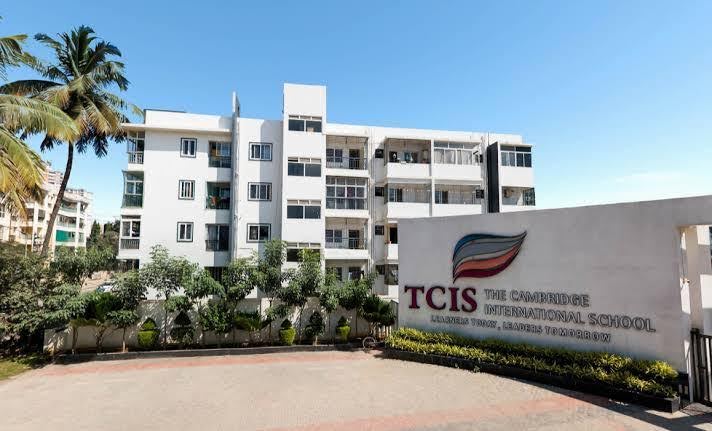
In a progressive learning environment near Varthur, the shift to Outcome-Based Assessment is not just theoretical, it is actively shaping classroom experiences every day. Here, the curriculum is designed backwards, starting with clearly defined learning outcomes. Educators begin by identifying what skills and values they want students to demonstrate, and then curate lessons, activities, and assessments that intentionally build toward those goals. Whether it’s a science project that encourages innovation or a literature discussion that develops empathy and communication, every learning moment is purposeful and outcome-aligned.
Teachers in this environment take on the role of facilitators and mentors rather than just content-delivers. They guide students in reflecting on their learning, encourage goal-setting, and provide continuous feedback, not just at the end of a term, but throughout the journey. Assessments are varied and dynamic: portfolios, peer reviews, real-world simulations, and student-led presentations replace traditional rote-based testing. This helps students not only grasp concepts but apply them in meaningful, contextual ways, all while building critical life skills.
What makes this model truly impactful is how it empowers students to take ownership of their learning. They are encouraged to track their progress, understand their strengths, and identify areas they want to improve, fostering intrinsic motivation and self-awareness. By focusing on application, reflection, and personal growth, this institution is preparing learners not just to succeed in school, but to thrive in life. The outcome? Confident, compassionate individuals who are ready to lead, adapt, and contribute meaningfully to the world around them.
For more information on this and other similar schools in the area, check out this list of the best schools in Bangalore.



 as a preferred source on