









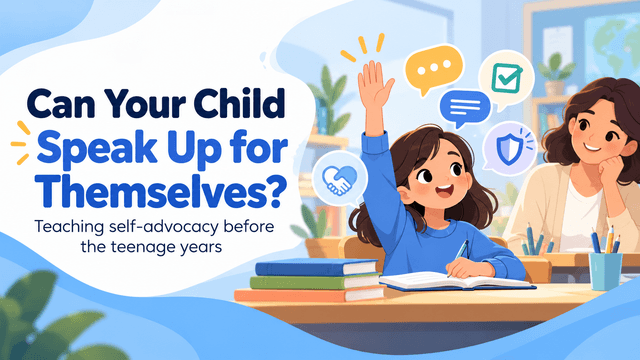
You know that kid, the one who always has a hand up, or a comment, or a story to tell, even if it has nothing to do with what the teacher just asked. Marks aren’t always their strong suit. But they’ll ask the question everyone else was too shy to ask. They’ll say the thing. And somewhere down the line, the habit tends to pay off.
Because being expressive was never really about being loud in a classroom; it’s about being okay putting your thoughts out there, the half-formed ones too, not just the polished answers. Kids who grow up doing that seem to figure out people faster, bounce back quicker when things go wrong, and just connect more easily. It’s not magic; it’s practice.
This article gets into exactly how that habit ends up taking kids further in life, and how some residential schools in Bangalore, like Aadya Academy, are actually building space for it instead of leaving it to chance.
Also Read: Voices That Matter: How ‘The Talk Show’ Inspires Expression at Aadya Academy
Why Kids Who Speak Up Go Further?
.png)
Freedom of expression is a constitutional right. But growing up, most of us are taught the opposite: stay quiet, don't interrupt, just adjust. And it shows later. A child too scared to ask a doubt during an exam. A knot in the stomach the moment a teacher says, "Come present this." Because they don't know the answer, but because nobody ever pushed them to say things out loud. The kid who did gets noticed, gets picked, gets heard. Here's what that one habit actually does for a student.
Shyness Doesn't Cost Them Opportunities
Most kids in a room are thinking along similar lines. What decides who gets picked to lead the project or bag the part in the play often comes down to who said something first. Not who had the better idea, just who was willing to say theirs out loud before the moment passed.
They're Comfortable Being Wrong Out Loud
Having a thought is the easy part. Saying it before it's polished, before you're sure it's right, takes more. Kids who get used to saying "wait, I don't think that's right" without a perfect explanation ready tend to get more comfortable being wrong in front of people. Strangely, that's usually what makes them right more often once they're older.
People Remember Them
Ask a teacher which kid from years ago still comes to mind, and it's rarely the one who sat quietly through everything. It's the one who asked something odd, or said something that made the room laugh at the right second. They weren't trying to stand out. They just weren't fading into the back either.
It Follows Them Into Their Career
This habit doesn't stay behind in school. The student who answered in class turns into the employee who speaks up in meetings, who can walk through an idea without stumbling, who doesn't clam up around senior people. That kind of comfort doesn't arrive overnight at 25. Either it's been building since school, or it gets learned the hard way, mid-presentation, boss watching.
They Know What They Actually Want
This one's quieter, but it counts just as much. A kid who's used to saying what's on their mind also tends to know what's on their mind, which isn't a given. "I don't want this, I'd rather do that" sounds small, but it's really a kid learning to check in with themselves. That habit tends to save people a lot of confusion later, instead of hitting thirty and still guessing.
Also Read: Marks Are the Report Card, But Who's Building the Child Behind Them?
How Aadya Academy Is Raising Expressive Kids, Early

Walk through Aadya Academy on any given day, and you won’t find kids sitting quietly, waiting to be called on. You’ll find them talking, presenting, questioning, sometimes disagreeing, without the fear that usually keeps children silent in a typical classroom. That’s not an accident. It’s built into how the school approaches learning itself.
A few things that make the difference:
- Real platforms to speak, not just classroom answers. Programs like The Talk Show give students an actual stage to practice speaking with intention, in front of people, about things that matter to them, not just reciting something memorized.
- Communication treated as a skill, not a side effect. Most schools assume kids pick up expression eventually, almost by accident. Aadya builds it in deliberately, the same way math or science gets taught.
- Practice that starts young. The earlier a child gets comfortable speaking up, the less it feels like a "skill" later and the more it just becomes how they naturally show up.
This is part of what sets Aadya Academy apart among schools in Bangalore. Most institutions get around to communication eventually, if at all. Aadya starts early, on purpose, because waiting until college or a first job to figure out how to speak up is waiting far too long.
The result is kids who don't flinch when asked to present, who ask questions without rehearsing them in their head first, who say what they think even before it sounds polished. That habit doesn't stay behind in school. It's the same one that walks into a college classroom, an interview, a boardroom, years later, already comfortable being heard.
For more information regarding this and other schools in this area













 as a preferred source on