








School has always been the place where we have learnt about Pythagoras theorem, photosynthesis, Newton’s laws, etc., and these are the things that we do remember even when we are not in school anymore. But don’t you think you do remember that annual sports day race and that science exhibition better, or that debate competitions where you felt so nervous that you thought you would not be able to perform, right?
All these things that have become the core memories for life, especially because of the experiential learning that they provide. You will find many good schools for your kid with a good curriculum and academic ranking, but it is very important for today’s date to find something that has a good co-curricular activities structure as well.
Hence, it’s a call for parents; there are multiple schools in Yamuna Nagar, but DPS Yamuna Nagar comes under the list of the best boarding schools in Haryana when it comes to sports and activities.
Also Read | How Schools Help in Guiding Children Towards the Right Path?
Learning That Actually Sticks
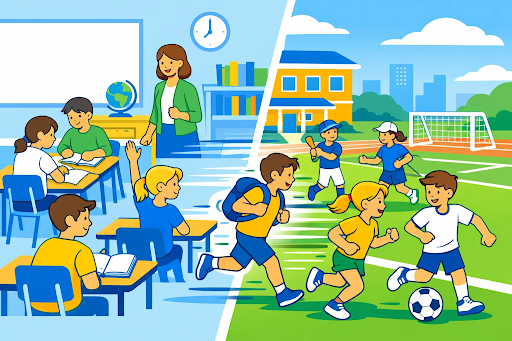
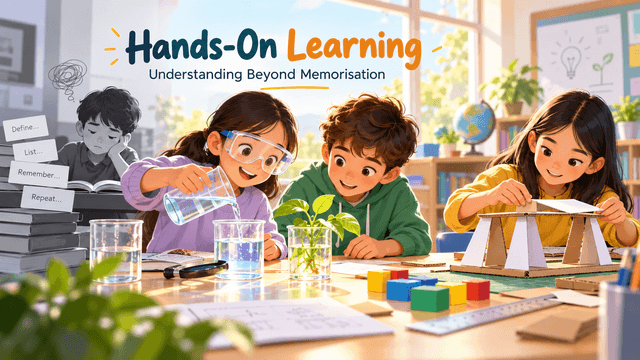
Modern education is going through a quiet shift. The world no longer rewards just memorisation. It rewards application. Collaboration. Real-world problem solving. According to research by the National Training Laboratories, students retain:
- 5% of what they hear in lectures
- 10% of what they read
- But up to 75–90% of what they actively do or teach others**
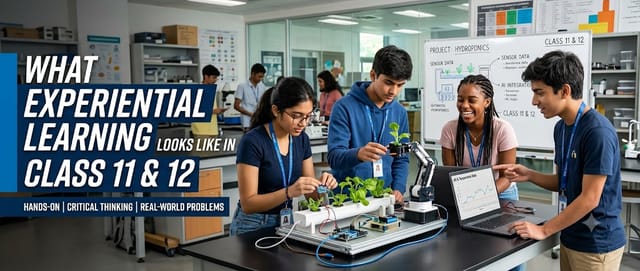
That gap is massive. It tells us something important about learning by doing work. Experiential learning isn’t some trendy buzzword. It’s deeply rooted in educational psychology. Even philosopher John Dewey argued over a century ago that education must connect to real-life experiences. Today, neuroscience backs that claim. Active engagement strengthens neural pathways, making knowledge more durable and meaningful. And honestly? It makes school less boring.
-
The Real Problem With Passive Classrooms
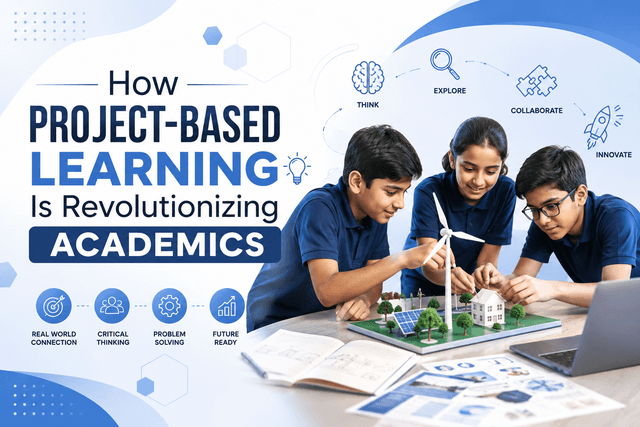
Let’s be honest here. A classroom where students just sit, copy notes, and wait for the bell… doesn’t build much beyond short-term memory. But when students step onto a sports field, participate in a robotics challenge, organize a school event, or perform on stage something shifts.
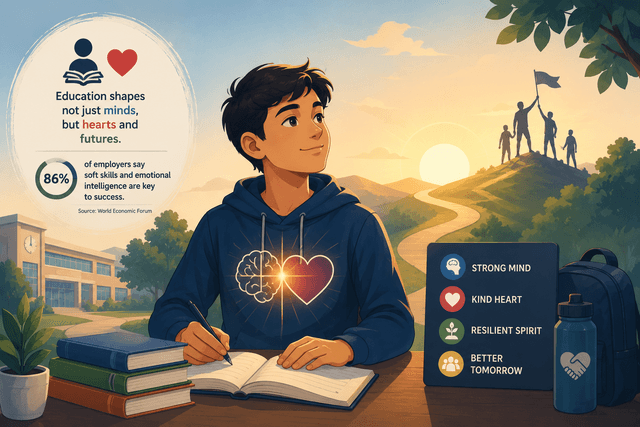
They begin to think, they begin to lead, they begin to fail, and recover. According to a 2022 global education survey, over 65% of employers prioritize soft skills like teamwork, communication, and adaptability over purely academic scores. And where do those skills develop? Not just inside textbooks. They grow through action.
-
Sports as a Classroom (That Nobody Talks About Enough)
Here’s a story. Imagine a child who struggles in math class. Quiet. Hesitant. Unsure of themselves. Now put that same child on a football field. They run. They strategize. They communicate. They score. And suddenly, they’re confident. Sports do something powerful; they shift identity.
A UNESCO study highlighted that students involved in structured physical education show improved concentration levels by up to 20% and better classroom behavior overall. Physical activity increases blood flow to the brain, improves memory function, and reduces stress hormones. But beyond biology, sports teach discipline.
Showing up on time. Practicing when tired. Accepting defeat gracefully. Those are life lessons. And honestly, they shape character more than most exams ever will.
-
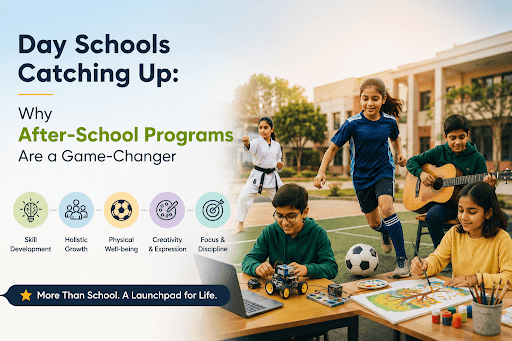
Activities That Go Beyond the Syllabus
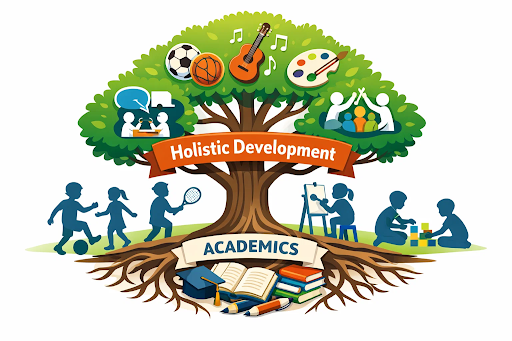
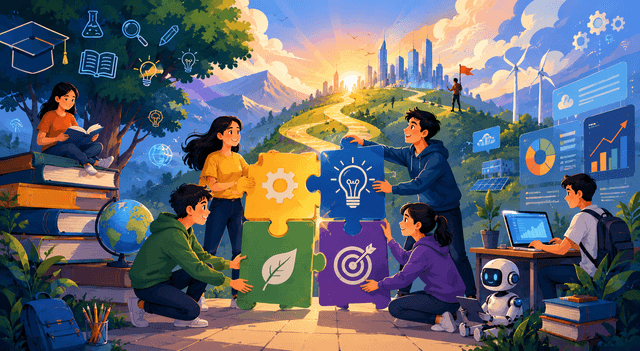
Now think about cultural activities, clubs, house competitions, and leadership programs. When a student organizes a school event, they are unknowingly learning project management. Budgeting. Communication. Conflict resolution. When they participate in drama, they develop empathy by stepping into someone else’s role.
When they debate, they learn structured thinking. These experiences build layered intelligence. Howard Gardner’s theory of Multiple Intelligences reminds us that not every child learns the same way. Some are kinesthetic learners. Some musicals. Some interpersonal. Experiential learning respects that diversity. It says, “You are more than your marks.” And that matters.
Check Out | Creative Expression Through Dance: ODM International School and Shiamak Dance Academy
Where does DPS Yamuna Nagar bring this to Life?
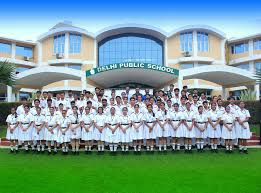
Now, let’s bring this conversation to a real example. DPS Yamuna Nagar integrates experiential learning meaningfully through its sports programs and co-curricular activities. The school doesn’t treat sports as a side event. It treats it as a developmental tool.
From structured physical education sessions to competitive sports events, students are encouraged to actively participate. The environment promotes discipline and teamwork, while also ensuring safety and proper mentorship. What stands out is balance.
Academics remain strong, but sports and activities aren’t sacrificed for exam pressure. Instead, they are woven into the student’s daily rhythm. This creates a healthier ecosystem. One where learning isn’t limited to classrooms. And that balance is rare.
-
Building Confidence That Books Alone Cannot
There’s something about standing in front of an audience. Or defending a goal post. Or training for weeks for an inter-school competition. It builds a different kind of courage.
Experiential education research suggests that students who regularly engage in extracurricular activities are 30% more likely to report higher self-esteem levels compared to those who don’t.
Confidence isn’t taught through lectures. It is built through experience. Sometimes children don't realise how much they are growing while participating in these activities. They think it’s just fun. Just sports. Just a club meeting. But slowly, something changes inside them. They start speaking more clearly. They take the initiative more often. They become a little braver than before. Growth happens quietly like that.
-
The Social Impact of Active Learning
In a world increasingly dominated by screens, experiential learning also solves another problem of isolation. Students who engage in sports and group activities develop stronger peer connections. They collaborate. They negotiate. They learn emotional regulation.
Post-pandemic educational reports indicate that schools emphasizing physical and collaborative activities have seen noticeable improvements in student mental well-being indicators. And this isn’t surprising. Movement reduces anxiety. Belonging reduces loneliness. Achievement builds purpose.
The Final Thought
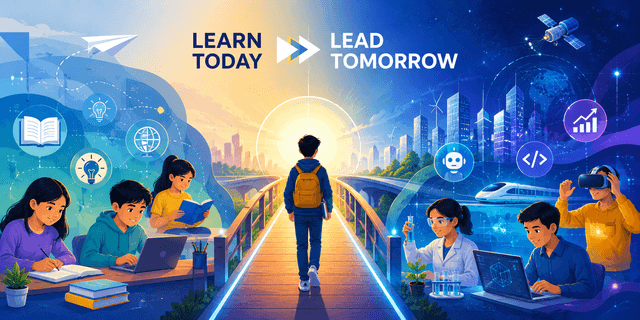
If I had to sum it up simply, experiential learning makes education human. It gives students stories, not just certificates. It prepares them for real conversations, real failures, and real teamwork. And in a future where adaptability will define success, schools that invest in experience-based learning are quietly preparing stronger individuals. Not just toppers. But thinkers. Leaders. Team players. And maybe that’s the real goal all along.
For more details on this and other nearby boarding schools, see this list of the top boarding schools in Haryana.

 as a preferred source on