







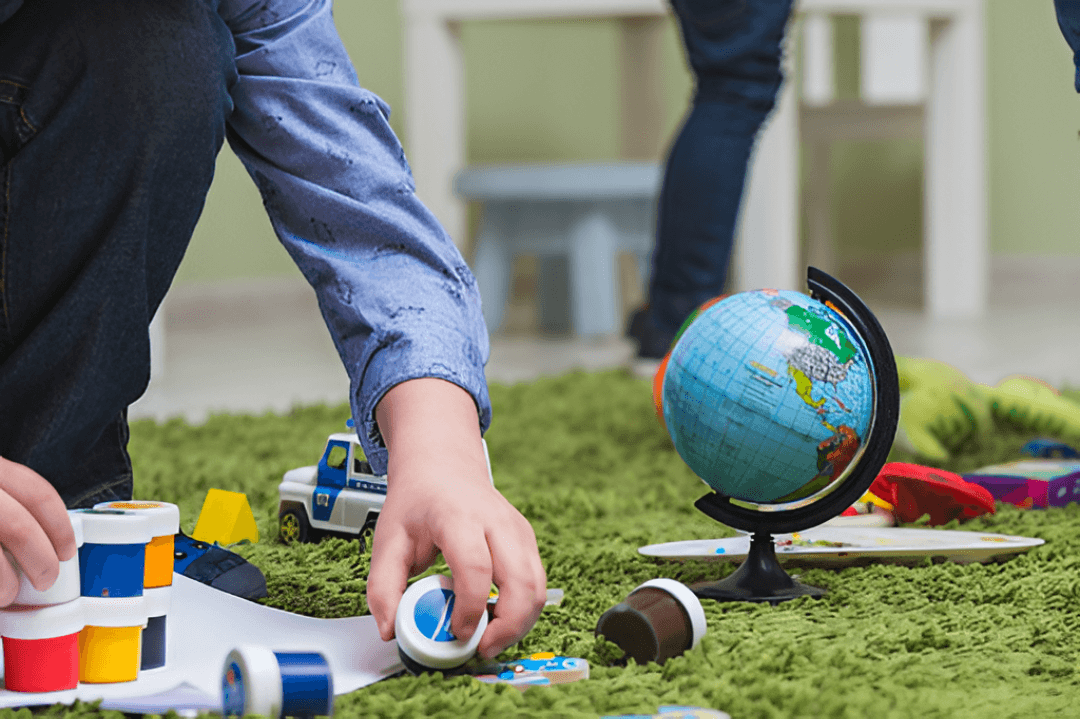

Indian education stands at a fascinating crossroads. On one side, there's pressure to adopt global teaching methodologies and prepare students for an interconnected world. On the other, there's an equally important need to preserve cultural identity and instill timeless values. Progressive schools are now demonstrating that these aren't opposing forces—they're complementary elements of comprehensive education. K.R. Mangalam World School Gurgaon exemplifies this balance, creating an ecosystem where international exposure meets Indian ethos. In this article, we'll explore how modern institutions are redefining holistic education through global collaborations, experiential pedagogy, career readiness programs, and meaningful parent partnerships.
Also Read | Nurturing Neoteric Innovators
The Global-Local Paradigm in Modern Education
Education today isn't confined to classroom walls or national boundaries. The question facing educators is straightforward: how do we prepare students for a globalized economy while ensuring they remain connected to their roots? Let's examine both dimensions of this educational paradigm.
Why International Exposure Matters
The National Education Policy 2020 emphasizes internationalization as a cornerstone of contemporary learning. Students who engage with diverse cultures develop adaptability, communication skills, and broader perspectives—qualities that employers increasingly value.
Student exchange programs create opportunities for teenagers to understand different educational systems firsthand. Virtual collaborations, which gained momentum during the pandemic, now allow classrooms in Mumbai to connect with peers in Melbourne or Madrid, breaking geographical barriers without the logistics of travel.
Rooting Students in Cultural Identity
Global competence doesn't mean abandoning one's heritage. Schools incorporating heritage studies, classical arts, and value education create students who are confident in their identity while being open to other cultures.
Heritage clubs exploring India's architectural marvels, literary traditions, or folk arts give students pride in their background. When children understand where they come from, they navigate global spaces with greater authenticity and confidence rather than merely imitating Western models.
Experiential Learning: Moving Beyond Rote Memorization
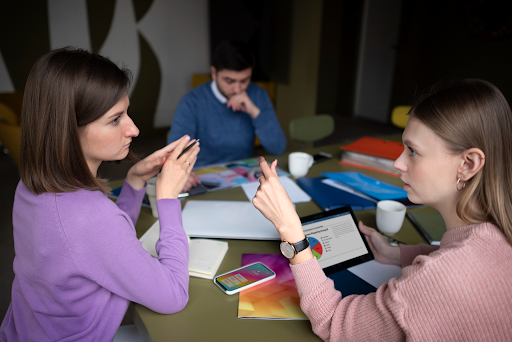
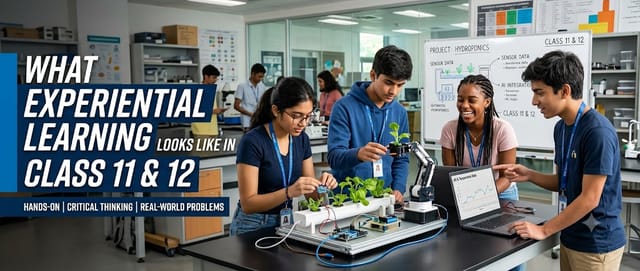
The shift from chalk-and-talk pedagogy to hands-on learning represents perhaps the most significant transformation in Indian education. Schools are finally acknowledging that real understanding comes through doing, not just hearing. Here's what makes this approach effective.
What Makes Learning 'Experiential'?
David Kolb's experiential learning theory suggests that knowledge construction happens through four stages: concrete experience, reflective observation, abstract conceptualization, and active experimentation. Simply put, students learn better when they touch, build, and experiment.
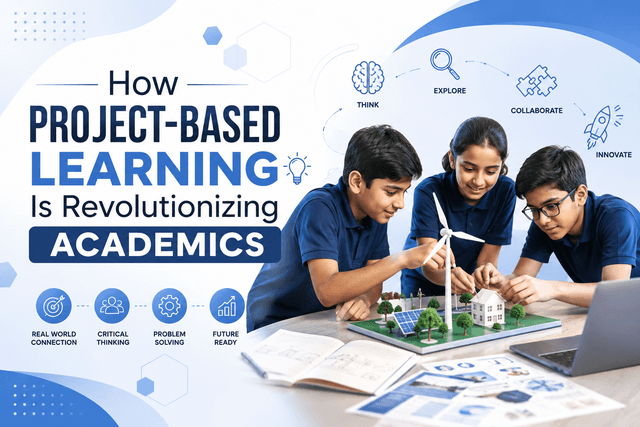
Consider the difference between reading about photosynthesis versus actually growing plants and tracking their development. The second approach creates lasting neural connections because multiple senses are engaged. Project-based assignments, where students solve real-world problems, develop critical thinking far more effectively than memorizing textbook answers.
Technology-Enhanced Pedagogy
Artificial Intelligence integration in curriculum isn't about replacing teachers—it's about personalizing learning journeys. Adaptive learning platforms identify individual student strengths and weaknesses, allowing customized lesson plans that traditional classrooms couldn't offer.
Key technological interventions reshaping Indian classrooms:
- Coding and Robotics Labs: Students learn computational thinking by building functional robots and programming them
- STEAM Learning: Integrating Science, Technology, Engineering, Arts, and Mathematics creates interdisciplinary problem solvers
- Atal Tinkering Labs: Government-sponsored innovation hubs where children tinker with circuits, 3D printers, and IoT devices
- Virtual Reality Experiences: History lessons become immersive when students can "walk through" ancient civilizations
The Atal Innovation Mission has established over 10,000 tinkering labs across India, fostering a culture of innovation from an early age. These spaces encourage curiosity without the fear of failure—a crucial mindset for future innovators.
Career Readiness: Preparing Students for Tomorrow's Challenges
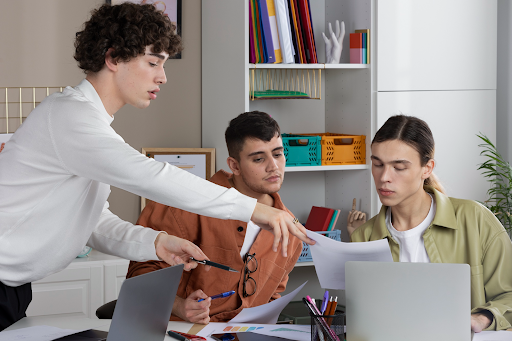
The gap between education and employability has long plagued Indian graduates. Forward-thinking schools are addressing this by integrating career development into the curriculum rather than treating it as an afterthought in Class XII.
Starting Career Conversations Early
Comprehensive career counseling programs now begin as early as Class VIII, helping students understand their aptitudes before making subject choices. Aptitude assessments, personality tests, and interest inventories provide data-driven insights into suitable career paths.
Internship opportunities during summer breaks give teenagers exposure to workplace dynamics. Whether shadowing professionals, working on research projects, or participating in entrepreneurship boot camps, these experiences clarify career aspirations far better than career pamphlets ever could.
Building Future-Ready Skills
Tomorrow's jobs demand skills that traditional academics don't always teach. Communication, collaboration, critical thinking, and creativity—often called the "4Cs"—need deliberate cultivation. Schools incorporating debate clubs, Model United Nations, design thinking workshops, and entrepreneurship projects prepare students for evolving job markets where adaptability matters more than memorization.
The Parent-School Partnership Model
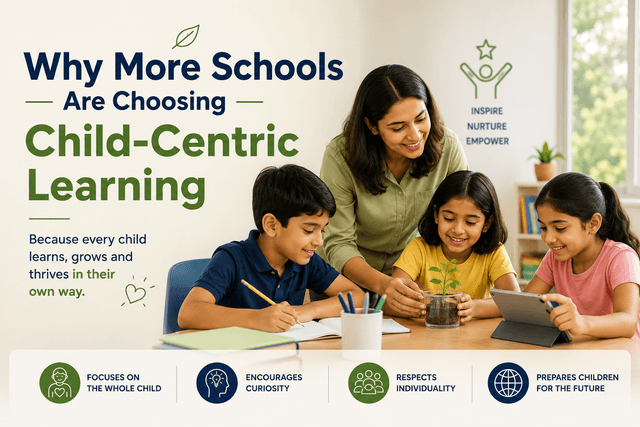
Education isn't a service schools provide to passive consumers. The most effective learning happens when parents and teachers function as partners, bringing different perspectives to child development.
Beyond Parent-Teacher Meetings
Traditional PTMs often felt transactional—quarterly check-ins where teachers reported grades. Progressive schools are reimagining this relationship. Parents now participate in morning assemblies, sharing professional expertise through workshops, and even contributing to curriculum enrichment.
A parent who's a software engineer might conduct a coding workshop. Another working in healthcare could discuss public health challenges. This approach taps into a vast resource pool while showing students that learning happens everywhere, not just in classrooms. Regular coffee mornings create informal spaces for parents to discuss concerns, share parenting strategies, and build community bonds.
Check Out | Why Parent Engagement Matters
K.R. Mangalam World School Gurgaon: Where Vision Meets Execution
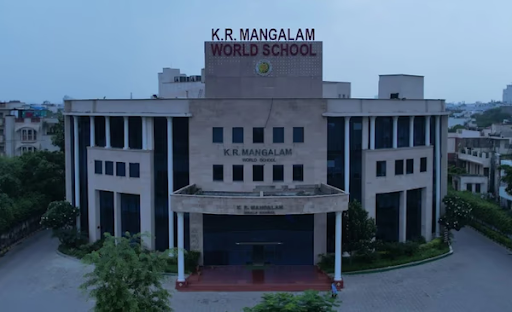
Established in 2010, K.R. Mangalam World School Gurgaon operates as a CBSE-affiliated institution in Sector 41, spreading across five eco-conscious acres. The campus features rainwater harvesting and pollution-free green spaces. With a 14:1 student-teacher ratio in primary years, the school ensures personalized attention from Nursery through Class XII.
KRM Gurgaon has earned British Council International School accreditation for three consecutive terms (2014-2023), a distinction reflecting genuine international engagement. Students won first prize at Odyssey of the Mind - Eurofest in Germany (2018), competing against global teams.
The school's NASA connections stand out—training programs at Kennedy Space Centre and Earth KAM satellite imaging projects give students authentic space science experiences. Exchange programs with China, Australia, and the Czech Republic create cross-cultural learners, not just tourists.
The Atal Tinkering Lab at KRM transforms abstract concepts into tangible projects. Students build working electric circuits instead of just drawing diagrams. The AI-integrated curriculum and SheCode 2.0 program ensure girls develop computational skills early.
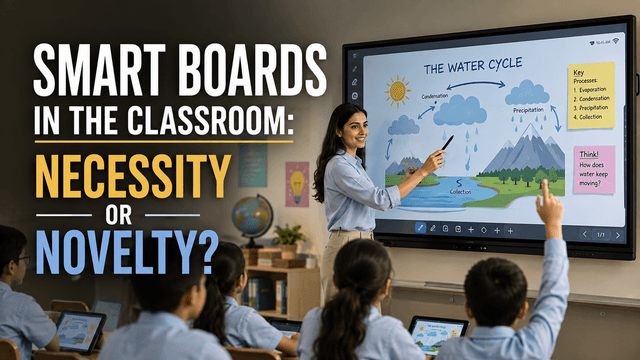
Sports facilities include specialized training for shooting, golf, gymnastics, and chess. With 230 security cameras and GPS-enabled buses, safety infrastructure matches academic amenities. Smart classrooms equipped with interactive boards make every lesson visually engaging.
KRM's signature programs—Terra Care (environmental consciousness), Healthfulness (physical and mental wellness), and Expressions Enhanced (creative outlets)—ensure development beyond academics. The school implements Howard Gardner's Multiple Intelligences theory, recognizing that children learn differently.
The four-year career counseling program, led by experienced counselor Mr. Jitin Chawla, guides students through subject selection, aptitude testing, profile building, and university applications. Over 500 alumni now study at prestigious institutions, including IITs, NUS Singapore, King's College London, and top Australian universities.
Clubs covering dramatics (Rang Manch), robotics (Techbots), environmental action (Eco Warriors), and heritage (Dharohar) give students agency in choosing learning paths. The PSPE framework addresses Personal, Social, and Physical Education simultaneously. Parents participate meaningfully—conducting workshops, judging competitions, and contributing to career fairs with professional insights.
What distinguishes KRM is the conscious integration of heritage with innovation. Students researching Telangana's pottery traditions or creating multicultural fairs develop global awareness without losing local context. This isn't accidental—it's the school's founding philosophy of nurturing global citizens anchored in ethical values.
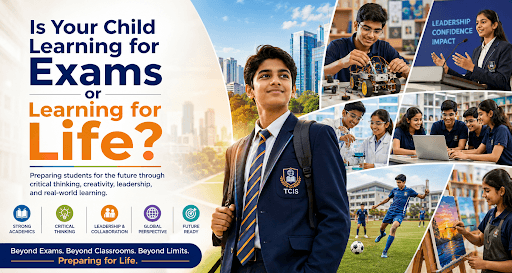
Discover how K.R. Mangalam World School Gurgaon can shape your child's future with world-class education rooted in values. Apply now to join a community where heritage meets innovation, or schedule a campus tour to experience the KRM difference firsthand. Give your child an education that prepares them not just for exams, but for life.
For more information on this and other such schools in the area, check out this list of the best schools in Greater Noida West.
 as a preferred source on