







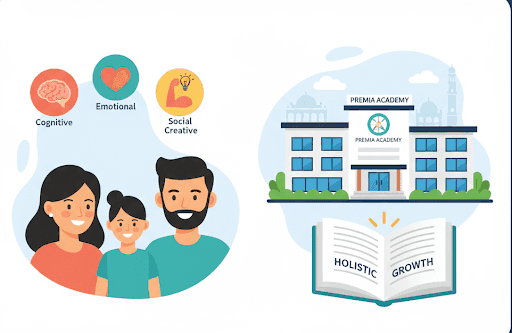

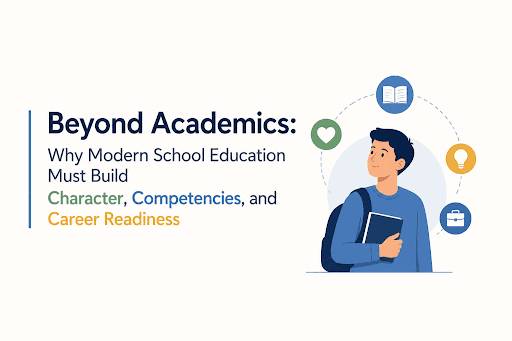
Finding the right school is no longer a simple checklist exercise. In a rapidly evolving world, it is no longer possible to judge a child’s success solely by academic results. In these times, it is important to show adaptability, emotional intelligence, creativity, and critical thinking along with academic knowledge.
To create such a child, it is important to evaluate your child’s environment, including schools. And it is not just about grades or examination outcomes, it encompasses emotional well-being, social skills, physical health, values, confidence, and a lifelong love for learning. Parents increasingly seek schools that nurture the “whole child”, not just the report card.
In this article, we’ll explain how overall learning happens and why it needs to be a big part of education. And how one of the best schools in Hyderabad, Premia Academy, is working towards providing overall learning.
Understanding “Overall Child Development”

Overall child development refers to the balanced growth of a child across multiple dimensions. These areas can be intellectual, emotional, social, physical, and moral. Parents recognize that children thrive best when these aspects are nurtured together, rather than in isolation.
A child who excels academically but struggles with confidence or stress may not be well-prepared for real-life challenges. Similarly, a child who is creative and expressive but lacks foundational academic skills may face difficulties later on. The goal, therefore, is balance, and this balance is how the schools are evaluated, based on their ability to create the balance.
Academic Learning: From Performance to Understanding
It is always going to be true that academics remain a cornerstone of education, but parents now focus more on ‘how’ learning happens rather than ‘how much’ is memorized. Conceptual clarity, analytical thinking, and application-based learning have become more important than rote learning and exam-centric teaching.
Parents observe whether their child:
- Understands concepts deeply
- Asks questions confidently
- Can connect classroom learning to real-life situations
- Learns without constant fear of failure
Schools that promote curiosity-driven learning and encourage students to think independently are increasingly preferred. It is important that this learning is not just a race to complete the syllabus, but a meaningful interaction that teaches more than just the book's words.
Also Read| How to Choose the Best CBSE School for Holistic Education in Hyderabad
Emotional Well-being: The Silent Indicator of Success

A happy, emotionally secure child is more receptive to learning and more resilient in the face of challenges.
Parents pay close attention to:
- Whether their child enjoys going to school
- How teachers respond to mistakes
- Whether children feel safe expressing themselves
- How stress and pressure are managed within the school environment
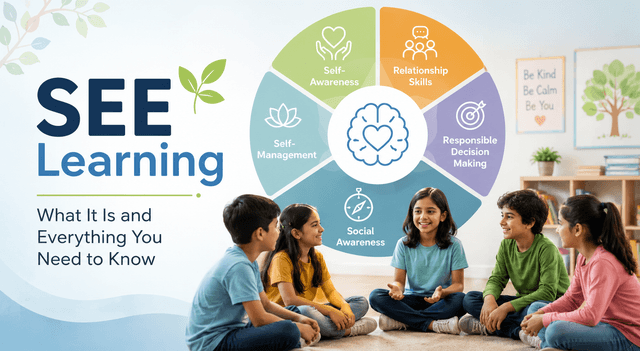
Parents understand that emotional intelligence, like self-awareness, empathy, resilience, and emotional regulation, is essential for long-term success, both personally and professionally.
Social Skills and Peer Interaction
School is a child’s first structured social environment. It is where children learn to collaborate, resolve conflicts, show empathy, and respect diverse perspectives. Parents evaluate how schools encourage healthy peer interactions and positive communication.
Group activities, classroom discussions, collaborative projects, and team-based learning experiences help children develop strong interpersonal skills. Parents notice when their child becomes more confident while speaking, more open to teamwork, and more respectful of others’ opinions.
These social competencies play a critical role not only in school life but also in future workplaces and relationships.
Co-curricular Activities: Beyond the Classroom Walls
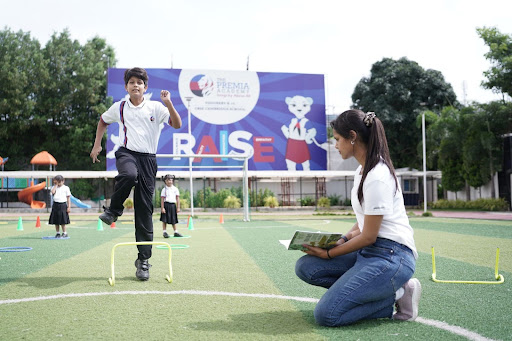
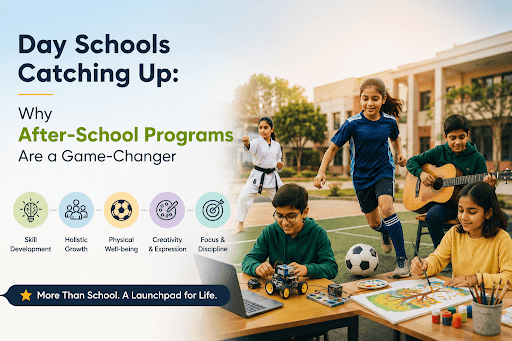
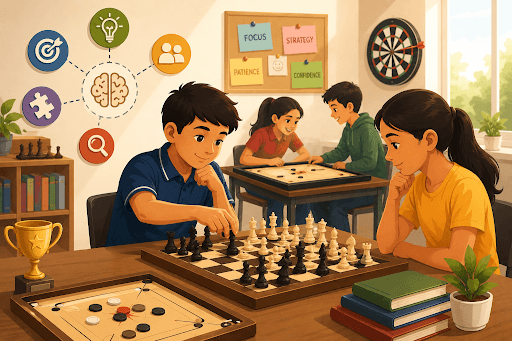
Parents increasingly value schools that view co-curricular activities as integral, not optional, to education. Sports, performing arts, visual arts, music, debate, and clubs help children discover their interests and strengths.
Such activities contribute to:
- Physical fitness and discipline
- Creativity and self-expression
- Confidence and stage presence
- Leadership and teamwork
Parents are less interested in schools that overload children with activities and more inclined toward those that offer ‘balanced exposure’, allowing children to explore without feeling overwhelmed.
Also Read| Infuse Warrior Mindset and Mental Toughness at The Premia Academy
Life Skills and Independence
Education today must prepare children for life, not just exams. Parents look for opportunities where children learn practical life skills such as time management, decision-making, responsibility, adaptability, and problem-solving.
Schools that encourage students to take ownership of their learning, make choices, and reflect on their actions help foster independence. Parents value environments where children are guided, not controlled, and where mistakes are treated as learning opportunities.
Values, Ethics, and Character Building
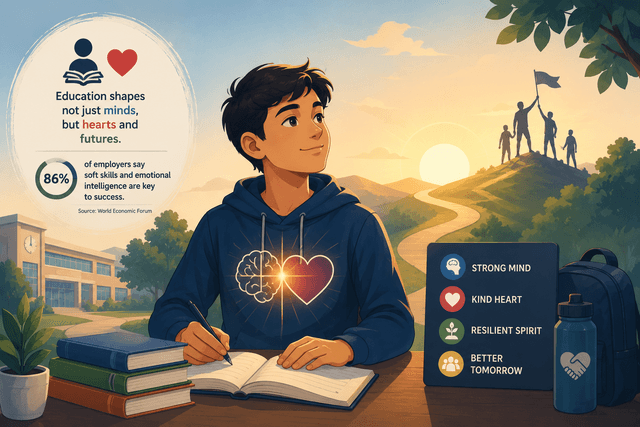
While academic skills open doors, values determine how children walk through them. Parents evaluate how schools embed ethics, integrity, respect, and compassion into everyday learning.
Rather than teaching values only through moral science lessons, parents prefer schools that demonstrate values through school culture, teacher behaviour, peer interactions, and community engagement. Character building, in this sense, becomes a lived experience rather than a theoretical concept.
How Premia Academy, Hyderabad, Reflects What Parents Truly Seek
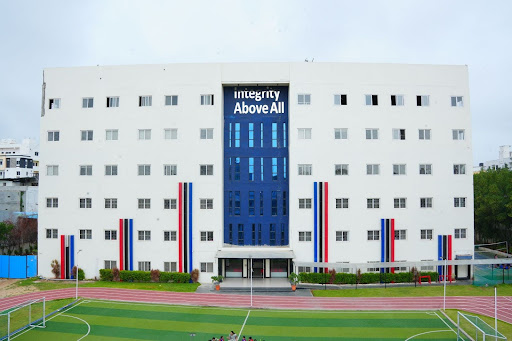
Premia Academy, Hyderabad, stands as a reflection of this evolved understanding of education in that it places the child at the center of the learning journey. Considered as one of the best CBSE schools in Hyderabad, the school is working towards providing overall education.
The school’s philosophy is rooted in the belief that academic excellence and holistic development are not mutually exclusive. At Premia Academy, learning goes beyond textbooks, encouraging students to explore, question, and apply knowledge in meaningful ways. The focus is on building strong foundations while nurturing curiosity and critical thinking.
A defining feature of Premia Academy is its emphasis on emotional well-being and individual attention. Teachers act as mentors, recognising that each child learns differently and progresses at their own pace. This supportive environment helps students feel confident, valued, and motivated to learn. And that is what
Co-curricular activities at Premia Academy are thoughtfully integrated into the curriculum, allowing students to explore sports, arts, leadership, and creative pursuits without compromising academic learning. These experiences help students develop confidence, teamwork, and self-expression—skills essential for life beyond school.
The school also prioritises values-based education, ensuring that respect, responsibility, empathy, and integrity are woven into daily interactions. Students are encouraged to become independent thinkers, responsible citizens, and compassionate individuals.
By blending structured academics with flexibility, emotional support, and a future-ready approach, Premia Academy aligns closely with how modern parents evaluate overall child development. It is this balanced philosophy that makes Premia Academy a trusted choice for families seeking not just academic success, but meaningful, long-term growth for their children.
Conclusion
When parents evaluate overall child development, they are looking far beyond marksheets. They seek schools that support intellectual growth while nurturing emotional strength, social confidence, life skills, and values.
In this evolving educational landscape, Premia Academy, Hyderabad, stands out for its child-centric and balanced approach. By focusing on the complete development of every learner, the school aligns closely with what modern parents value most—an education that shapes confident learners today and capable individuals for the future.
To learn more about this and other schools in the area, see the list of top schools in Hyderabad.








 as a preferred source on