









While academic knowledge remains essential, real learning often happens outside the four walls of a classroom. School expeditions offer students experiences that shape their character, confidence, and worldview in profound ways.
A school expedition is not just a trip; it is an immersive learning journey. It blends adventure with education, challenge with growth, and fun with responsibility. These experiences leave lasting impressions that often influence how students think, behave, and make decisions in the future.
In this article, we’ll explore the top benefits of school expeditions for students. We’ll also take an example of how one of the best schools in Gurugram, the Manav Rachna International School, Sector 51, offers school expeditions, thus helping students to learn better.
Let us explore the top benefits of school expeditions for students.
1. Learning Beyond Textbooks
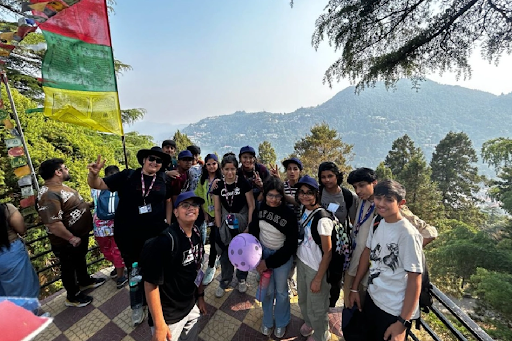
One of the greatest advantages of school expeditions is experiential learning. Students may study geography, history, environmental science, or culture in books, but seeing a glacier, walking through a fort, interacting with rural artisans, or observing biodiversity firsthand creates a much deeper understanding.
For example:
- A history lesson becomes real when students stand inside a centuries-old monument.
- Environmental science becomes meaningful when people witness conservation efforts in action.
- Social studies become personal when they interact with communities different from their own.
Experiential learning improves retention and understanding. Concepts move from abstract theory to lived experience.
Also Read| Multilingualism for 21st Century Learners
2. Development of Independence and Responsibility
When students step outside their familiar environment, they naturally begin to develop independence. Managing their belongings, following schedules, cooperating with peers, and adapting to new surroundings teach practical life skills.
School expeditions often require students to:
- Pack responsibly
- Follow safety guidelines
- Respect shared spaces
- Make thoughtful decisions
These small responsibilities build maturity. Students learn that their actions have consequences, and they begin to take ownership of their behaviour.
3. Building Teamwork and Leadership Skills
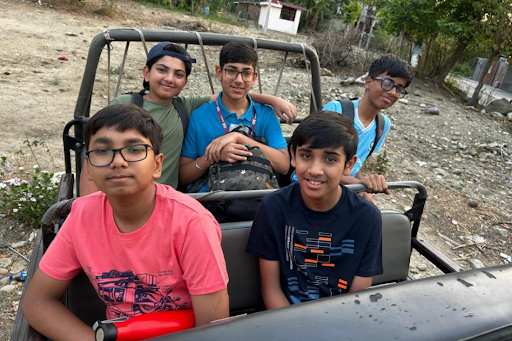
Most expeditions involve group activities, e.g., trekking, team challenges, cultural exchanges, project work, or survival tasks. Such experiences encourage collaboration.
Students learn to:
- Communicate clearly
- Listen to others’ ideas
- Solve problems collectively
- Support peers during challenges
Natural leaders often emerge in such settings. Even quieter students get opportunities to take initiative. Leadership during an expedition is not about authority; it is about empathy, cooperation, and resilience.
4. Boosting Confidence and Resilience
Stepping out of one’s comfort zone is one of the most powerful growth experiences. Whether it is climbing a rock face, performing in front of strangers, speaking in a new language, or navigating unfamiliar terrain, expeditions challenge students in positive ways.
When students overcome small fears, they build confidence. Handling unexpected situations like weather changes, minor setbacks, or logistical challenges teaches resilience.
These experiences prepare them for real-life uncertainties far better than controlled classroom settings.
5. Cultural Awareness and Global Perspective
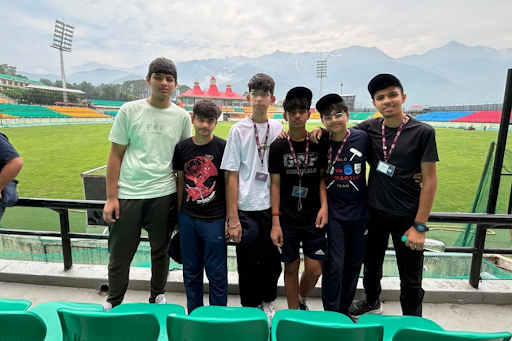
In a globally connected world, understanding diverse cultures is essential. School expeditions, especially intercultural or international ones, expose students to different traditions, cuisines, languages, and lifestyles.
Such exposure:
- Reduces stereotypes
- Builds empathy
- Encourages respect for diversity
- Expands global awareness
Students begin to understand that there are multiple ways of living, thinking, and solving problems. This broadened perspective shapes them into more open-minded and responsible global citizens.
6. Strengthening Emotional Intelligence
Expeditions often bring together students from different social circles within the school. Spending extended time together strengthens bonds and builds friendships.
Students experience:
- Shared laughter
- Team achievements
- Conflict resolution
- Emotional support
They learn to manage emotions in group settings, show empathy, and navigate interpersonal differences, thus making key aspects of emotional intelligence.
Read Further| What Parents Should Look for in a Classroom
7. Enhancing Physical Well-Being
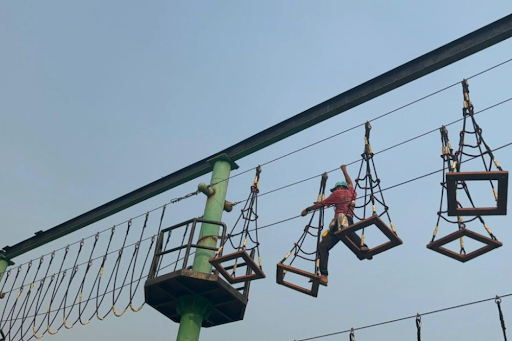
Many school expeditions include physical activities such as trekking, camping, cycling, sports, or outdoor exploration. In an era dominated by screens and sedentary lifestyles, such activities encourage students to reconnect with nature and physical movement.
Outdoor experiences:
- Improve physical fitness
- Reduce stress
- Enhance focus
- Promote overall well-being
Time in nature has been shown to positively impact mental health, making expeditions beneficial for both body and mind.
8. Encouraging Curiosity and Creativity
New environments stimulate curiosity. Students ask more questions, observe more carefully, and think more critically. Exposure to art, architecture, ecosystems, and communities often inspires creativity.
Some students discover new interests during expeditions like photography, environmental activism, history research, anthropology, or adventure sports. These experiences sometimes influence future academic or career choices.
9. Real-World Problem-Solving Skills
Unlike structured classroom problems with fixed answers, real-world situations are dynamic. On expeditions, students might need to:
- Plan routes
- Budget resources
- Adjust plans due to weather
- Work through misunderstandings
Such situations demand flexibility and critical thinking. Students learn to adapt, which is a skill that is invaluable in higher education and professional life.
Insights from MRIS Sector 51 Gurugram
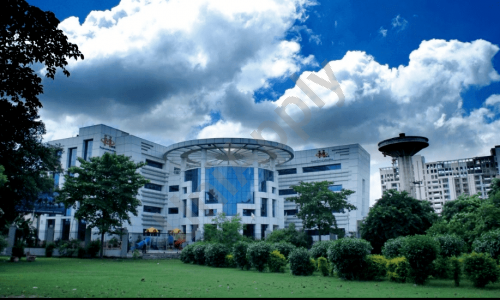
While the benefits of school expeditions are universal, the impact depends greatly on how thoughtfully they are planned and executed. At MRIS Sector 51 Gurugram, expeditions are designed not merely as recreational trips but as purposeful learning journeys aligned with the school’s educational philosophy.
The school integrates expeditions into its broader vision of holistic development. Carefully curated programs focus on experiential learning, leadership development, environmental awareness, and cultural understanding. Students are encouraged to step beyond their comfort zones with support from trained mentors and educators.
Safety remains a priority, with structured planning and supervision ensuring that learning and adventure go hand in hand. Whether it is nature camps, educational tours, leadership workshops, or community engagement programs, each expedition is crafted to complement classroom learning.
MRIS Sector 51 Gurugram recognizes that true education prepares students for life and not just examinations. Through meaningful expeditions, the school nurtures confident individuals who are curious, compassionate, and capable of navigating an interconnected world.
Conclusion
School expeditions are far more than short breaks from routine academics. They are transformative experiences that foster independence, resilience, leadership, cultural awareness, and emotional growth. They bring lessons to life, strengthen friendships, and prepare students to face real-world challenges with confidence.
In a time when education must evolve to match the complexities of the modern world, expeditions serve as powerful tools for holistic development. When thoughtfully designed and responsibly executed, these journeys become milestones in a student’s growth.
Because sometimes, the most important lessons are discovered on the road less travelled.
For more information on MRIS and other similar schools, check out this list of the best schools in Gurgaon.
















 as a preferred source on