






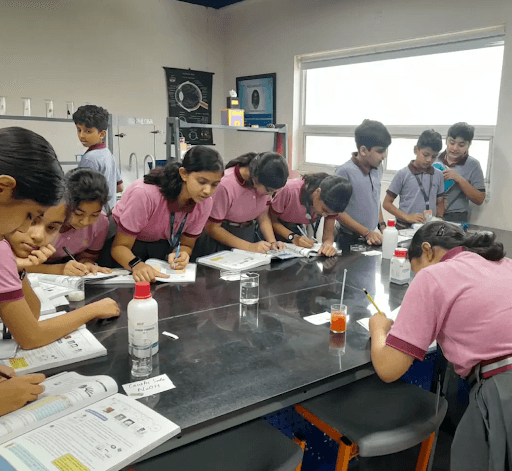

Have you ever wondered why some classrooms instantly feel more engaging than others? It’s not just about smart boards or modern furniture; it’s about how learning is designed, delivered, and experienced by students every single day. For parents today, the classroom environment plays a decisive role in shaping not only academic outcomes, but also confidence, curiosity, and independence.
Education is no longer limited to textbooks and lectures. Modern classrooms are expected to nurture critical thinking, collaboration, emotional safety, and real-world understanding. This shift has made parents more conscious about what truly happens inside a classroom, beyond the syllabus.
This article explores what makes a classroom effective in today’s world, the learning practices parents should look for, and how Manav Rachna International School (MRIS ), Sector 51, Gurgaon, one of the best schools in Gurgaon, brings these principles to life through its aligned classroom approach.
Also Read | Circle Time, Comfort & Care: Magic of Mother-Teacher Method at MRIS-51,Gurgaon
What Defines an Effective Classroom in Today’s Education Landscape
An effective classroom is no longer defined by smart boards, colourful walls, or advanced infrastructure alone. It is a learning environment where students feel confident to think, question, and participate actively. Parents evaluating classrooms today need to look beyond appearance and focus on how learning actually unfolds, how students interact, how teachers guide, and how understanding is built over time.
Key elements of a strong classroom include:
- Student-centred learning: In an effective classroom, students are not passive listeners waiting for instructions. They are encouraged to take part in discussions, collaborate with peers, ask questions, and share perspectives. This active involvement helps learners develop ownership of their learning and builds deeper understanding rather than surface-level recall.
- Encouragement of curiosity: A meaningful classroom allows space for inquiry and exploration. Instead of focusing solely on right answers, students are motivated to ask “why” and “how.” This approach nurtures critical thinking and helps learners develop the confidence to explore ideas independently rather than rely on memorisation.
- Emotional safety: Children learn best when they feel respected and supported. An effective classroom creates a safe space where students are comfortable expressing opinions, making mistakes, and learning from them. When fear of judgment is removed, confidence grows, and participation becomes natural.
- Connection to real life: Learning becomes more impactful when students can relate lessons to real-world situations. By linking concepts to everyday experiences, global issues, or practical applications, classrooms help students see relevance in what they are learning, making education more meaningful and engaging.
Together, these elements transform classrooms into dynamic spaces where learning is active, purposeful, and deeply connected to students’ growth, both academically and personally.
Why Classroom Practices Matter More Than Curriculum Alone
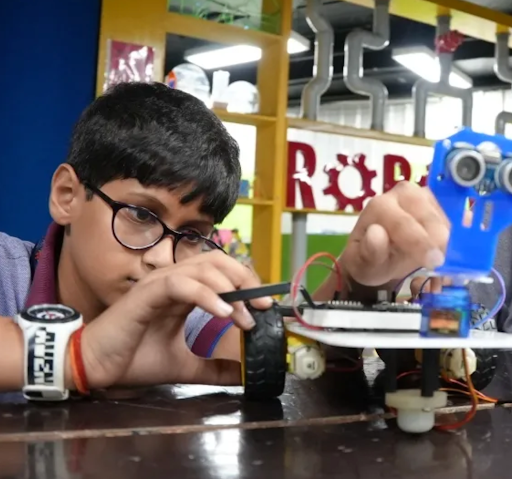
A well-designed curriculum provides direction, but it is classroom practice that determines how effectively that curriculum comes to life. Even the most advanced syllabus can fall short if teaching methods do not engage students or adapt to their learning needs. For parents, observing how lessons are taught is often more revealing than what is written in textbooks.
What truly shapes the classroom experience is the approach educators take each day:
- Teachers as facilitators, not just instructors: In effective classrooms, teachers guide learning rather than dominate it. They ask open-ended questions, encourage discussion, and help students arrive at understanding on their own. This approach builds independence and confidence in learners.
- Inquiry-based learning methods: Instead of simply delivering information, classrooms that value inquiry encourage students to investigate topics, conduct research, and reflect on their findings. This deepens understanding and helps students retain knowledge longer.
- Balanced and meaningful assessment: Learning is assessed through projects, presentations, reflections, and collaborative tasks, not only written exams. Such assessments capture a student’s thinking process, creativity, and problem-solving abilities, offering a fuller picture of progress.
- Collaborative learning environments: Group work and peer interaction are essential classroom practices. By working together, students learn to communicate clearly, respect different viewpoints, and solve problems collectively, skills that are critical beyond school life.
When classroom practices align with how children naturally learn, education becomes more engaging and effective. It is this daily experience, more than the curriculum document itself, that shapes confident, capable learners prepared for future challenges.
Skills Students Develop Inside Progressive Classrooms
A thoughtfully designed classroom does more than deliver academic content; it shapes essential life skills that stay with students long after they leave school. Parents should observe not just grades, but how children think, communicate, and respond to challenges inside the classroom.
In progressive learning environments, students naturally develop:
- Strong communication skills: Regular discussions, presentations, and group activities help students express ideas clearly and confidently. They learn to listen actively, articulate thoughts, and engage in meaningful dialogue with peers and teachers.
- Critical and analytical thinking: Instead of memorising information, students are encouraged to question assumptions, analyse problems, and explore multiple solutions. This ability to think independently prepares them for complex real-world situations.
- Adaptability and resilience: Exposure to diverse learning tasks, feedback, and collaborative work teaches students to handle change positively. They become more comfortable with challenges and learn to view mistakes as opportunities for growth.
- Ownership of learning: When classrooms encourage participation and reflection, students begin taking responsibility for their progress. They learn to set goals, monitor their understanding, and actively engage in improving their performance.
These skills reflect the true impact of an effective classroom. They indicate an environment where learning is not confined to textbooks, but actively prepares students to become confident, capable, and responsible individuals.
Check Out | Unleashing the Potential of Individualized Mathematics Education
How MRIS Classrooms Bring These Principles to Life
Manav Rachna International School, Sector 51, Gurgaon (MRIS), one of the best CBSE schools in Gurgaon, understands that classrooms are the heart of a child’s learning experience. Guided by the International Baccalaureate philosophy, the school designs its classrooms to be spaces where curiosity, confidence, and critical thinking grow naturally.
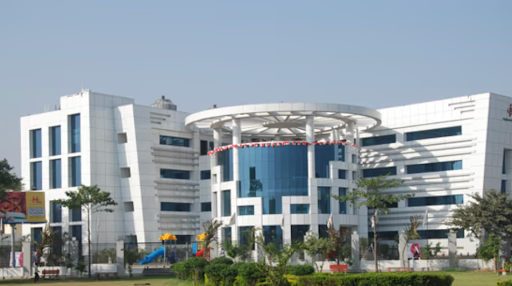
At MRIS, classroom practices are intentionally aligned with what parents value most in modern education: engagement, emotional safety, and real-world relevance. Learning is not limited to listening and memorising; it is driven by inquiry, reflection, and meaningful interaction.
What Sets MRIS Classrooms Apart
- Inquiry-led learning environments where students are encouraged to ask questions, explore concepts, and build understanding through discussion and research.
- Trained educators who act as facilitators, guiding students to think independently while supporting individual learning journeys.
- Concept-based teaching that connects subjects to global themes and real-life contexts, helping students see purpose in what they learn.
- Inclusive and emotionally safe classrooms where every student feels respected, heard, and confident to share ideas without fear of judgment.
- Holistic assessment practices that evaluate learning through projects, presentations, reflections, and collaborative tasks, not just exams.
In these classrooms, students learn to communicate clearly, work collaboratively, and take responsibility for their learning. The focus remains on developing thinkers who are not only academically prepared but also emotionally balanced and globally aware.
By translating principles into everyday classroom practice, Manav Rachna International School, Sector 51, Gurgaon, ensures that learning is meaningful, engaging, and future-ready. Here, classrooms are not just places to study, they are spaces where learners discover their potential and build the confidence to thrive in a changing world.
For more information on MRIS and other similar schools, check out this list of the best schools in Gurgaon.








 as a preferred source on