








Introduction
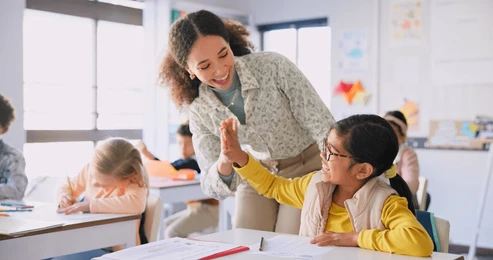
An old quote from the philosopher Plutarch goes, “The mind is not a vessel to be filled but a fire to be kindled.” This sentiment holds especially true for young minds that pass through crucial stages of development and therefore require a sensitive and multifaceted approach to learning.
However, this belief must hold for all learners, without exception. Education in the modern context must recognise every child as equal and capable, thus creating an environment where each learner finds their footing and feels ready to explore the world. This demands that schools adopt inclusive systems of support that cater to diverse learning and emotional needs, without bias or inhibition.
In this process, both the centre of education and the kind of education play a defining role in shaping who a person becomes. During early years, when children are still learning to understand and express emotions, one often overlooked aspect is the development of Emotional Quotient (EQ). Young learners may not always know how to express their feelings in healthy ways, and as they grow, they become individuals who need to feel seen, understood, and guided, ultimately becoming empowered to reach their full potential.
It is in this regard that one of the best Boarding schools in India, Scindia School, Gwalior, is playing a pivotal role in the country, creating the next generation of geniuses who are not only academically gifted but also mentally supported and healthy.
Hence, every young mind deserves nurturing in an environment that encourages growth and self-discovery. The seriousness of this purpose calls for the presence of dedicated specialists and integrated psychosocial support, ensuring that the next generation learns not just effectively, but also healthily, without compromising emotional well-being.
Also Read: What makes a modern school truly Holistic?
From IQ to EQ
For a long time, inclusivity in education focused on creating classrooms where children with learning difficulties or special needs could be integrated with their peers. But in the modern sense, inclusivity must go further, towards ensuring well-being for every learner.
The times have changed, and so have the pressures on today’s children. Modern learners face unique challenges that previous generations rarely encountered, such as:
- Social media toxicity
- Academic pressure
- Higher competition
- Digital overstimulation
- Post-pandemic uncertainty
According to a UNICEF report, nearly 50% of all mental disorders begin by the age of 14, and more than 13% of adolescents aged 10–19 live with a diagnosed mental disorder (89 million boys and 77 million girls globally).
This stark reality underscores the urgent need for schools to recognize that education and mental health must be integrated. Schools today must become spaces that equip students not only with knowledge but also with emotional strength, empathy, and resilience.
Also Read: How to Foster Healthy Emotional Development
Special Dedication, Special Care
As humans evolved, so did the way we think and learn, and with it came the understanding that no two minds are alike. Every learner experiences school differently, shaped by their cognitive, emotional, and social differences.
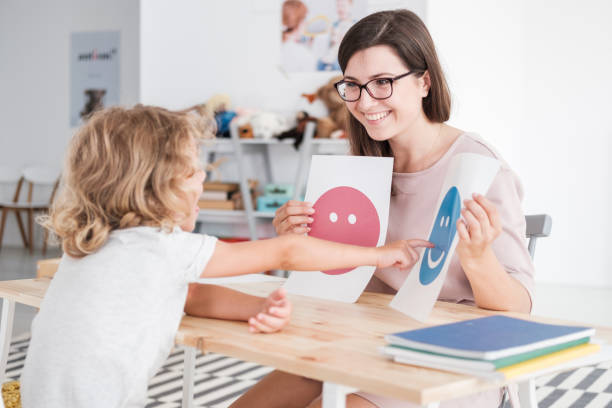
Recognising these differences is key to inclusivity. It means providing individualised support to students who may struggle with understanding the curriculum or coping with classroom expectations. This support not only assists learners with special needs but also ensures that no student feels alienated or left behind.
Such acts of care reflect the school’s belief in belonging, that every child, regardless of ability or learning pace, deserves equal opportunity to thrive and feel part of the larger community.
Combining Special Educators and Mental Health Experts
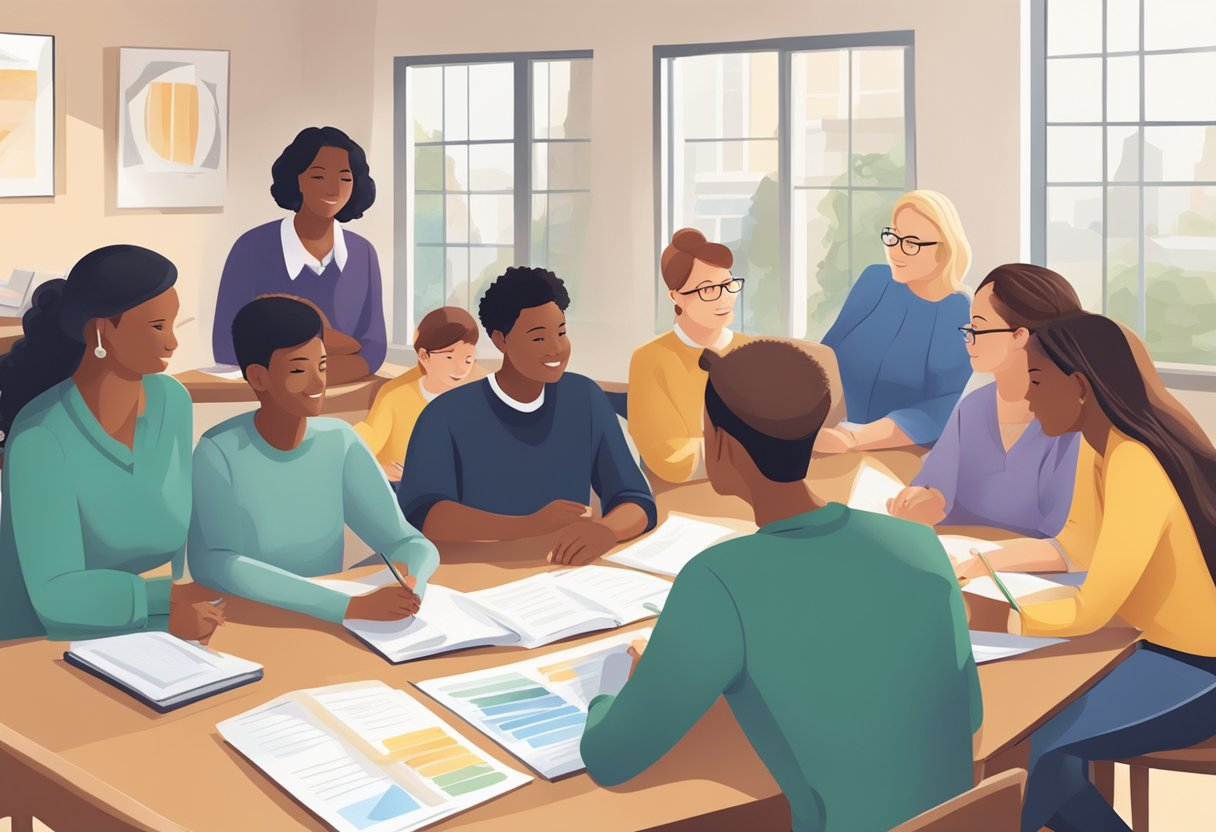
To create an environment that is both emotionally and academically healthy, schools must integrate the expertise of Special Educators and Mental Health professionals. This combination builds a system where learning is supported holistically, thus ensuring that education becomes a positive and enriching experience for every child.
Here are a few key reasons why educators and schools must promote inclusivity through dedicated specialists and psychosocial support:
- Team collaboration: An inclusive model relies on the collaboration of a multidisciplinary team that includes teachers, specialists, parents, and community members, ensuring that every child receives holistic and coordinated support.
- Continuum of care: A multidimensional approach allows schools to meet a range of needs, from universal programs for all students to specialised therapeutic interventions for complex cases.
- Whole-child development: Inclusivity extends beyond academics to address cognitive, emotional, social, and physical needs, helping children become well-rounded and resilient individuals.
- Preparation for a diverse world: By fostering an accepting and collaborative environment, students learn to appreciate differences, work in teams, and develop empathy that should prepare them for a global society.
The Scindia School – A Great Example
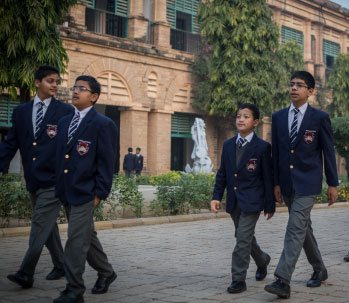
The Scindia School, Gwalior, exemplifies how learning and development can go hand in hand. Its model of education is built around inclusivity and emotional well-being, integrating specialists and teachers into one cohesive support system.
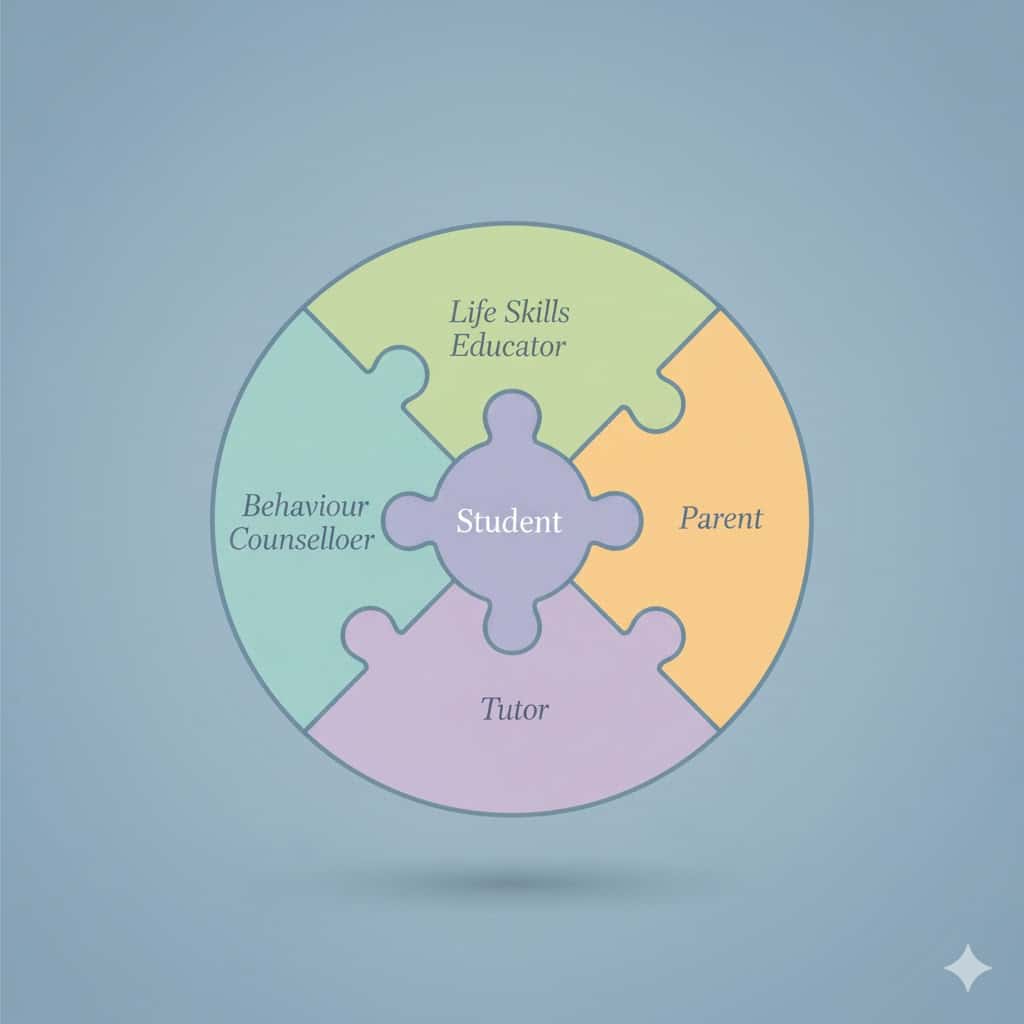
The constant collaboration between the Behaviour Counsellor, Life Skill Educator, and Pastoral Care team enables the school to identify and address student challenges early. These professionals work closely with academic tutors and parents to create personalized interventions, whether through short counselling sessions, modified learning plans, or group activities that strengthen confidence and emotional regulation.
This proactive approach ensures that support is not an afterthought but an ongoing part of the school’s culture. At Scindia, care is preventive, not reactive, a philosophy that ensures problems are addressed before they escalate.
Working with Parent

The Scindia School also recognises parents as essential partners in a child’s growth, not just as guardians. Through regular communication, counselling interactions, and progress updates, the school helps parents understand how academic progress and psychosocial well-being are interlinked.
Parents are guided to interpret emotional cues, appreciate the role of Individualised Education Plans (IEPs), and dismantle outdated stigmas around counselling and special support. This shared understanding strengthens the bridge between home and school, ensuring that children experience continuity and consistency in care.
Prevention Before Cure

By prioritising early intervention, The Scindia School ensures that challenges are addressed before they cause long-term harm. Given the growing mental health concerns among adolescents, this emphasis on early action is vital.
The school’s inclusive framework also includes flexible subject choices, the provision of readers for students with learning differences during exams, specialised teaching aids, and thoughtfully designed IEPs. Together, these ensure that every learner receives the right support at the right time.
Team Effort
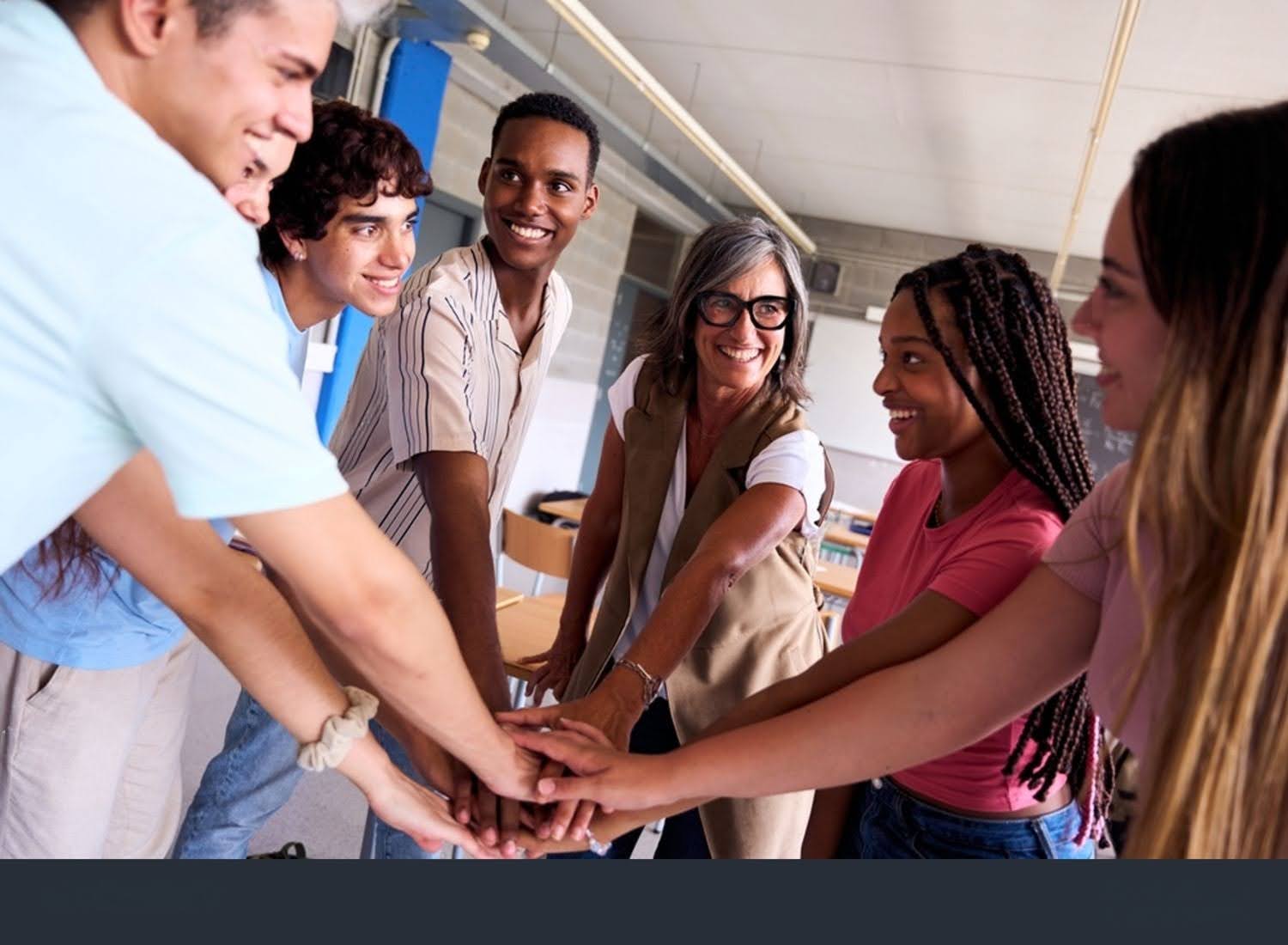
With the combined efforts of Behaviour Counsellors, Life Skill Educators, and Pastoral Care staff, Scindia creates a nurturing environment that balances academic excellence with emotional well-being, thus creating a perfect environment for those with special needs. Each specialist plays a critical role in maintaining this ecosystem by offering guidance, empathy, and structure.
The result is a school culture where inclusion is not a policy but a practice that is visible in every classroom, every interaction, and every learning outcome.
Conclusion
In the 21st century, being a mere centre of education is no longer enough. Children today must be nurtured to be empathetic, resilient, and inclusive. The Scindia School’s model demonstrates that when specialists, structured communication, and early intervention work in harmony, inclusivity evolves from an aspiration to a daily reality.
As India aligns with the National Education Policy (NEP) 2020, which emphasises holistic and multidisciplinary learning, psychosocial and individualised support will continue to define excellence. Schools that invest in such frameworks today are shaping a generation ready to lead with empathy, purpose, and confidence.
For more information on this and other similar Boarding schools, please click on the link below









 as a preferred source on