









During the teenage years, young people have to deal with complex social situations and increasing responsibilities. Research suggests that nearly 70% of teenagers who receive good emotional support are likely to have better mental health when they grow up.
Emotionally developing during adolescence is important for their well-being and future success. It’s about recognizing and managing their own emotions and also understanding and building good relationships with others.
Schools are significant agents in the development of this aspect since they offer support that fosters healthy students emotionally. The Cambridge International School, one of the best CBSE schools in Bangalore, includes teaching emotional skills in its curriculum, which assists students in learning how to cope with stress and foster healthy relationships and other competencies.
In this article, we will discuss how emotional development can be facilitated in adolescents. We will also look into the measures that The Cambridge International School has taken regarding constructive developmental measures in the aspect.
Also Read | Teenage Issues: What do teens worry about?
Emotional Development in Adolescence

Adolescent emotional development is a complicated process that causes substantial changes in how children comprehend and control their emotions. As they traverse the difficulties of growing up and becoming autonomous, adolescents go through a variety of emotional ups and downs. Among the crucial facets of emotional growth in adolescence are:
- Increased Emotional Intensity: Adolescents frequently experience heightened emotional reactions, such as extreme sensations of happiness, rage, and despair.
- Improved Emotional Regulation: As teenagers age, they learn better ways to control their emotions and deal with stress.
- Developing a Sense of Identity: Adolescents start to form a more sophisticated sense of who they are, including their values, beliefs, and personality features, which might affect how they react emotionally.
- Greater Social Awareness: Adolescents start to show empathy for others and grow more conscious of social rules and expectations.
- Building Relationships: As adolescents mature, they start to build more profound, romantic connections as well as deeper, more meaningful interactions with their peers.
- Providing Emotional Support: Adolescents often face a range of emotional challenges, from relationship issues to academic stress. Educators can offer emotional support by creating a safe and supportive classroom environment, being available to listen and offer guidance, and connecting students with additional support services when needed.
- Teaching Emotional Regulation Skills: Adolescents may struggle with managing their emotions, which can lead to behaviours such as impulsivity, aggression, or withdrawal. Educators can teach emotional regulation skills, such as mindfulness techniques, cognitive reappraisal, and problem-solving strategies, to help students better manage their emotions.
- Fostering Social-emotional Learning: Social-emotional learning (SEL) is the process of developing self-awareness, self-management, social awareness, relationship skills, and responsible decision-making. Educators can integrate SEL into their curriculum, helping students to develop these key competencies and improve their emotional intelligence.
- Encouraging Positive Relationships: Positive relationships are key to healthy emotional development in adolescence. Educators can help students build positive relationships by encouraging teamwork and collaboration, fostering a sense of community within the classroom, and providing opportunities for students to develop their social skills.
Check Out: The Value and Benefits of Socio-Emotional Learning
How Can Schools Help in Emotional Development among Adolescents?

- Implement Social-emotional Learning Programs: Evidence-based, student-centred social and emotional learning curricula may be implemented in schools. Key competencies including self-awareness, self-regulation, social awareness, relational skills, and responsible decision-making may be taught to kids through such programs.
- Create a Positive School Climate: Students' emotional development can be greatly aided by a welcoming educational environment. Schools may create a welcoming environment by fostering a feeling of community, fostering healthy connections, and placing a high value on the safety and well-being of their students. Research conducted by the National Institutes of Health found that positive school climates can help reduce stress and promote emotional well-being among students.
- Provide Access to Mental Health Support: Students may be given access to mental health support services through their schools, including those provided by school psychologists, counsellors, or social workers. This can assist kids in addressing any emotional or mental health issues they may be having and help them acquire the skills necessary to properly control their emotions.
- Offer Emotional Regulation Training: Schools can instruct children in cognitive-behavioral approaches, mindfulness practices, deep breathing techniques, and other methods of emotional control. These abilities can aid pupils in better stress management and emotional control.
Read More | Importance of Socio-Emotional Development in Children
The Cambridge International School, Haralur: Ensuring Emotional Balance in Students
Located in Harlur, Bangalore, The Cambridge International School (TCIS) is focused on bringing out the best in children. The school strives to offer a safe and friendly environment that allows students to excel in academic and co-curricular pursuits.

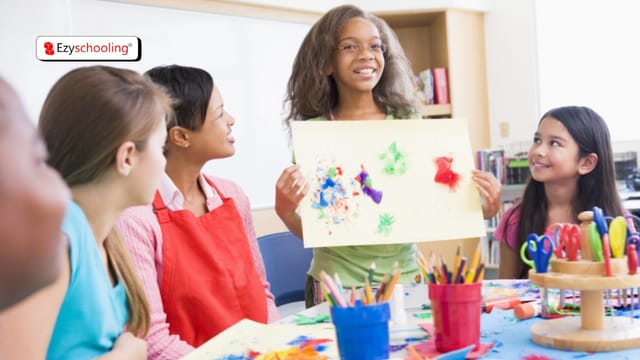
One of the best CBSE schools in Haralur, Bangalore, TCIS promotes student’s positive emotional well-being through several support programs and activities. To support personal representation and emotional development, TCIS incorporates artistic, physical, and cooperative activities. Through the inclusion of emotional intelligence, TCIS prepares not only students who are scholastically bright, but also emotionally strong individuals who can cope with pressures and effectively nurture healthy relationships.
Another aspect of the school’s model is the primary focus on addressing student’s needs, making children feel valued and accepted. The comfortable environment is supported by qualified staff who pay attention to children’s emotions, including mindfulness training for a child that will teach them how to be emotionally strong. These programs help students to manage both their academic pursuits and respective emotional health to face life’s reality.
For more information on this and other similar schools in the area, check out this list of the best schools in Bangalore.










 as a preferred source on