








In the present education system, hands-on learning has emerged as a powerful method to build foundational understanding in children. Especially in the primary years, active learning goes beyond textbooks, helping students connect with knowledge through real-world experiences. This interactive form of learning is not only engaging but also fosters better retention, critical thinking, and a love for discovery.
At St. Teresa School, Ghaziabad, one of the best schools in Ghaziabad, this philosophy takes center stage. The school’s signature ‘Learning by Doing’ approach empowers students to explore, question, and create as part of their daily learning process. Here, the classroom is not just a place for rote memorization but a space where students build, act, experiment, and collaborate.
In this article, we explore why hands-on learning is effective in primary education and how St. Teresa School integrates this method through thematic projects, interactive classroom strategies, and student-led activities that nurture curiosity and confidence.
Also Read | Where Play Meets Learning: Child-Centred Journey at St. Teresa School
Why Hands-On Learning Works in Primary Education
Young learners thrive when learning is active, engaging, and connected to real life. Hands-on methods tap into children’s natural curiosity, turning classrooms into spaces of exploration and growth.
- Engagement & Focus: Children are naturally curious. Hands-on activities, like making a working model or experimenting with colors, spark enthusiasm, leading to deeper concentration and focus. Learning becomes joyful, and children begin to look forward to school.
- Boosts Creativity: When students are asked to design, build, or draw, they activate their imaginative thinking. This encourages innovation and problem-solving from a young age, helping them explore new ideas with freedom.
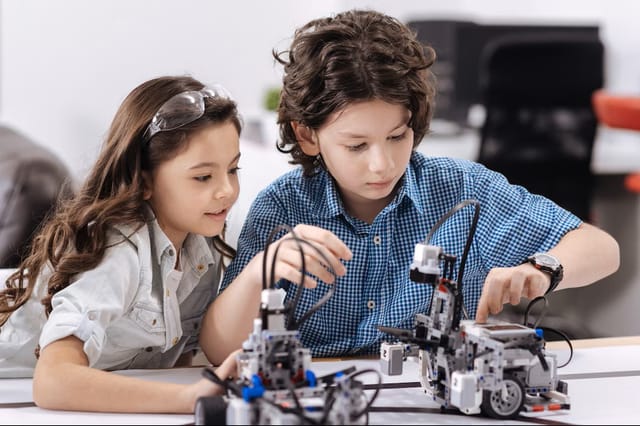
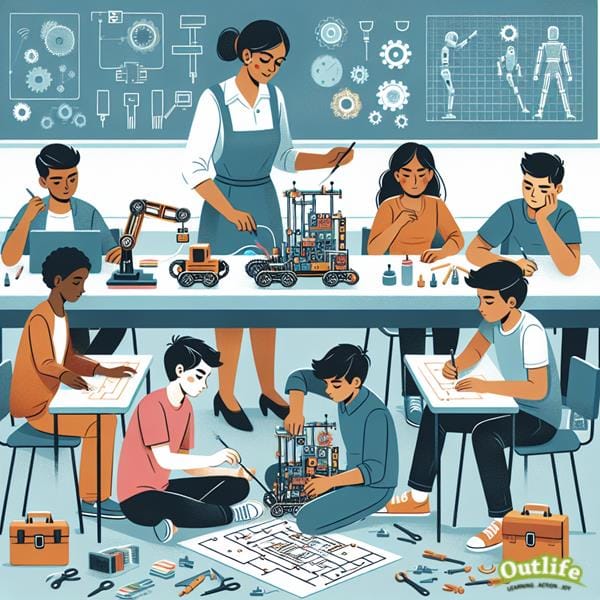
- Critical Thinking: Whether it's measuring ingredients in a cooking session or building a simple machine, children learn to ask questions, test solutions, and analyze outcomes. These activities develop decision-making and reasoning abilities.
- Better Understanding: Concepts like volume, gravity, or photosynthesis become easier to grasp when children see them in action rather than only reading about them. The physical act of doing enhances memory and understanding.
- Collaboration: Group activities build social skills. Students learn to take turns, resolve conflicts, and contribute equally,a foundation for leadership and teamwork that extends beyond the classroom.
- Emotional Expression: Creative and social tasks help students verbalize feelings, understand others, and form meaningful connections. Drama, storytelling, and group tasks serve as powerful outlets.
- Self-Esteem & Independence: Completing tasks or presenting work boosts confidence, initiative, and self-reliance. Children begin to trust their abilities and feel motivated to take on challenges.
Check Out |Nurturing Young Minds with Purposeful Learning
St. Teresa School, Ghaziabad: Where Hands-On Learning Thrives
St. Teresa School, Ghaziabad, is one of the best CBSE schools in Ghaziabad, established in 2002 by the Boman Charitable Trust, offering education from Nursery to Class XII across a 2‑acre campus with modern infrastructure and green spaces.
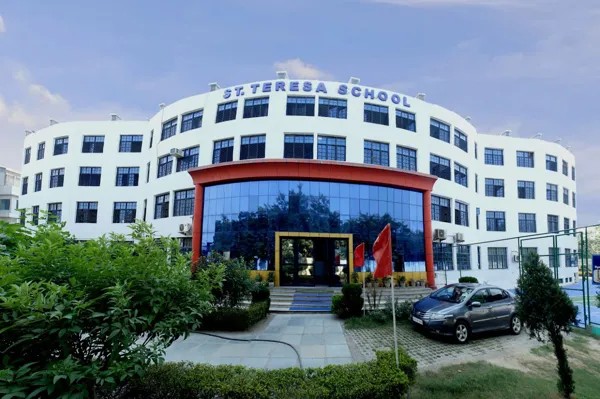
The school maintains an average student–teacher ratio of about 16:1, ensuring ample individual attention. Smart classrooms, well-equipped labs (science, math, robotics), an English language lab, library, activity rooms, and abundant indoor/outdoor sports facilities support a powerful hands-on learning ecosystem.
St. Teresa School believes every child is unique, and through hands-on learning, each one is empowered to explore, question, and express freely. The curriculum encourages participation over passivity, engagement over memorization. Teachers act as facilitators, guiding students through inquiry-based learning where curiosity leads the way.
Through its 'Learning by Doing' approach, St. Teresa School, Ghaziabad, is building thinkers, creators, and empathetic leaders of tomorrow. Here’s how the school applies learning by doing:
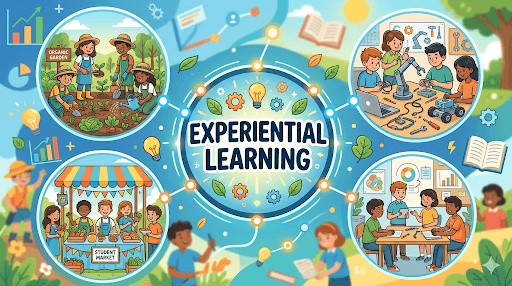
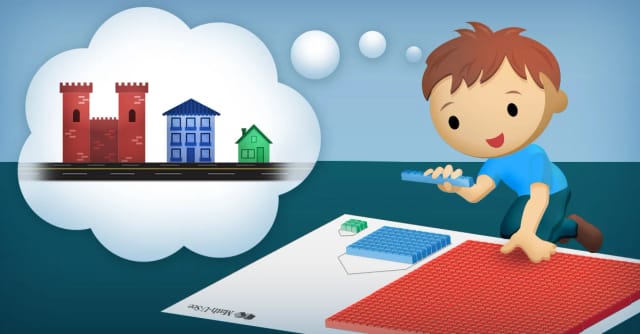
- Thematic Projects: Students engage in monthly themes that combine language, math, science, and art, for example, “My City” might include map reading, city planning models, and story writing. This interlinked approach gives context to lessons and keeps learning cohesive.
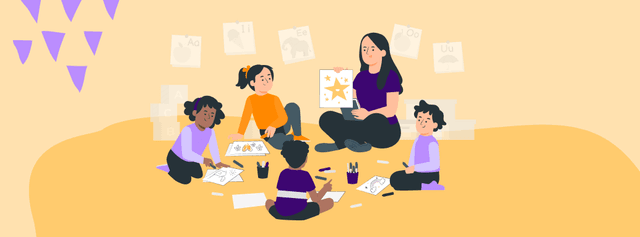
- Interactive Sessions: Teachers use role-play, dramatization, puzzles, and games to ensure every topic is brought to life with movement and expression. These activities help visual and kinesthetic learners thrive.
- Student-Led Demonstrations: Children regularly present what they’ve learned through class displays, science fairs, and show-and-tell sessions. This encourages public speaking, presentation skills, and accountability.
- Experiential Labs & Outdoor Learning: Nature walks, activity-based science labs, and eco-friendly craft projects allow students to experience knowledge in environments outside four walls. This makes lessons more dynamic and memorable.
- Celebrating Individual Strengths: Children are encouraged to explore their own ideas and interests,be it in model making, storytelling, or research-based projects. The school respects each student’s pace and style of learning.
For more information on this and other similar boarding schools in India, check out this list of the best schools in Ghaziabad









 as a preferred source on