








Education today demands more than textbook knowledge and exam scores. As the world evolves at breakneck speed, children need comprehensive development that addresses their intellectual, physical, emotional, and creative potential. Research consistently shows that students who receive a holistic education demonstrate better problem-solving abilities, stronger leadership qualities, and greater adaptability to change.
One of the best schools in Bangalore, The Cambridge International School (TCIS), exemplifies this progressive approach by placing the learner at the center of its educational universe. Through innovative programs that blend academic rigor with co-scholastic excellence, TCIS demonstrates how multidimensional development prepares students for success in an ever-changing global landscape.
In this article, we explore the essential components of holistic child development, examining how modern educational institutions can nurture well-rounded individuals who excel both academically and personally, while building the skills necessary to thrive as future global leaders.
Also Read | Equipping Tomorrow's Leaders | Future-Oriented Skilling at TCIS Haralur
Understanding Multidimensional Development in Education
Modern education recognizes that children are complex beings whose growth extends far beyond academic achievement. This section explores the fundamental principles of holistic development and why traditional methods need reimagining.
What Constitutes Holistic Child Development
Holistic child development encompasses four interconnected pillars that work synergistically to create well-rounded individuals. Cognitive development focuses on critical thinking, problem-solving, and academic excellence. Physical development builds motor skills, health awareness, and body-mind coordination.
Social-emotional growth cultivates empathy, resilience, and interpersonal skills essential for collaboration. Creative expression nurtures innovation, artistic sensibilities, and unique perspectives that drive original thinking.
Why Traditional Academic Models Fall Short
Conventional education systems often prioritize standardized testing over individual growth, creating students who excel at memorization but struggle with real-world application. This narrow focus fails to develop essential life skills like creativity, emotional intelligence, and adaptability.
Today's rapidly changing job market demands professionals who can think critically, collaborate effectively, and innovate continuously. Students need exposure to diverse learning experiences that build confidence and prepare them for challenges that don't yet exist.
Physical Development: Building Strong Bodies and Minds
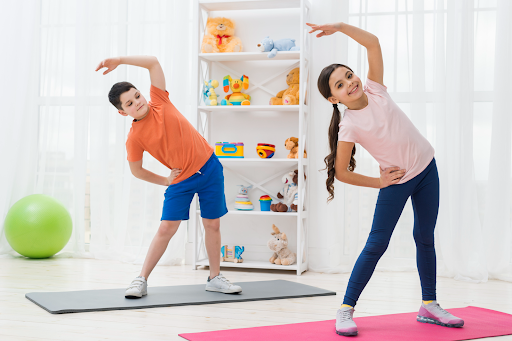
Physical education and sports programs play a crucial role in comprehensive child development. This section examines how movement-based learning enhances cognitive function while building character and resilience.
The Science Behind Physical Education
Neuroscience research reveals strong connections between physical activity and brain development. Regular exercise increases blood flow to the brain, promoting neural growth and improving memory retention. Movement-based learning helps children understand abstract concepts through kinesthetic experiences.
Physical activities also develop discipline, teamwork, and goal-setting skills. Students learn to handle victory and defeat gracefully while building the persistence necessary for long-term success in any field.
Beyond Traditional PE Programs
Progressive schools integrate sports with academic subjects, teaching mathematical concepts through game strategies and scientific principles through athletic performance. Age-appropriate activities ensure that children develop fundamental movement skills before advancing to specialized sports.
-
Early Years: Focus on basic motor skills, coordination, and movement awareness
-
Middle Years: Introduction to team sports, individual athletics, and fitness concepts
-
Senior Years: Advanced training, sports science applications, and leadership opportunities
This integrated approach creates students who understand the value of physical wellness while appreciating how movement enhances learning across all subjects.
Creative and Artistic Expression: Nurturing Innovation
Arts education develops creativity, visual-spatial intelligence, and cultural awareness. This section explores how artistic programs contribute to overall cognitive development while fostering individual expression and innovation.
The Role of the Arts in Child Development
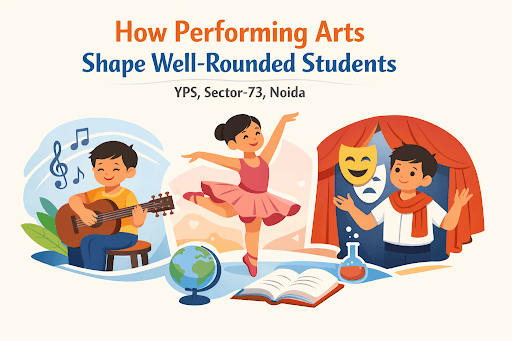
Creative activities engage different areas of the brain, promoting neural connections that enhance problem-solving abilities. Music education improves mathematical understanding, while visual arts develop spatial reasoning and attention to detail.
Artistic expression provides emotional outlets that support mental health and self-confidence. Students discover unique talents and perspectives that contribute to their individual identity and future career possibilities.
Merging Arts with Academics
The STEAM approach integrates arts into science, technology, engineering, and mathematics education, creating interdisciplinary learning experiences. Students might design architectural models while learning geometry or compose music that demonstrates wave physics principles.
Creative writing programs develop communication skills essential for success in any profession. Visual arts teach complex scientific concepts through hands-on projects that make abstract ideas tangible and memorable.
Social-Emotional Learning: Developing Life Skills
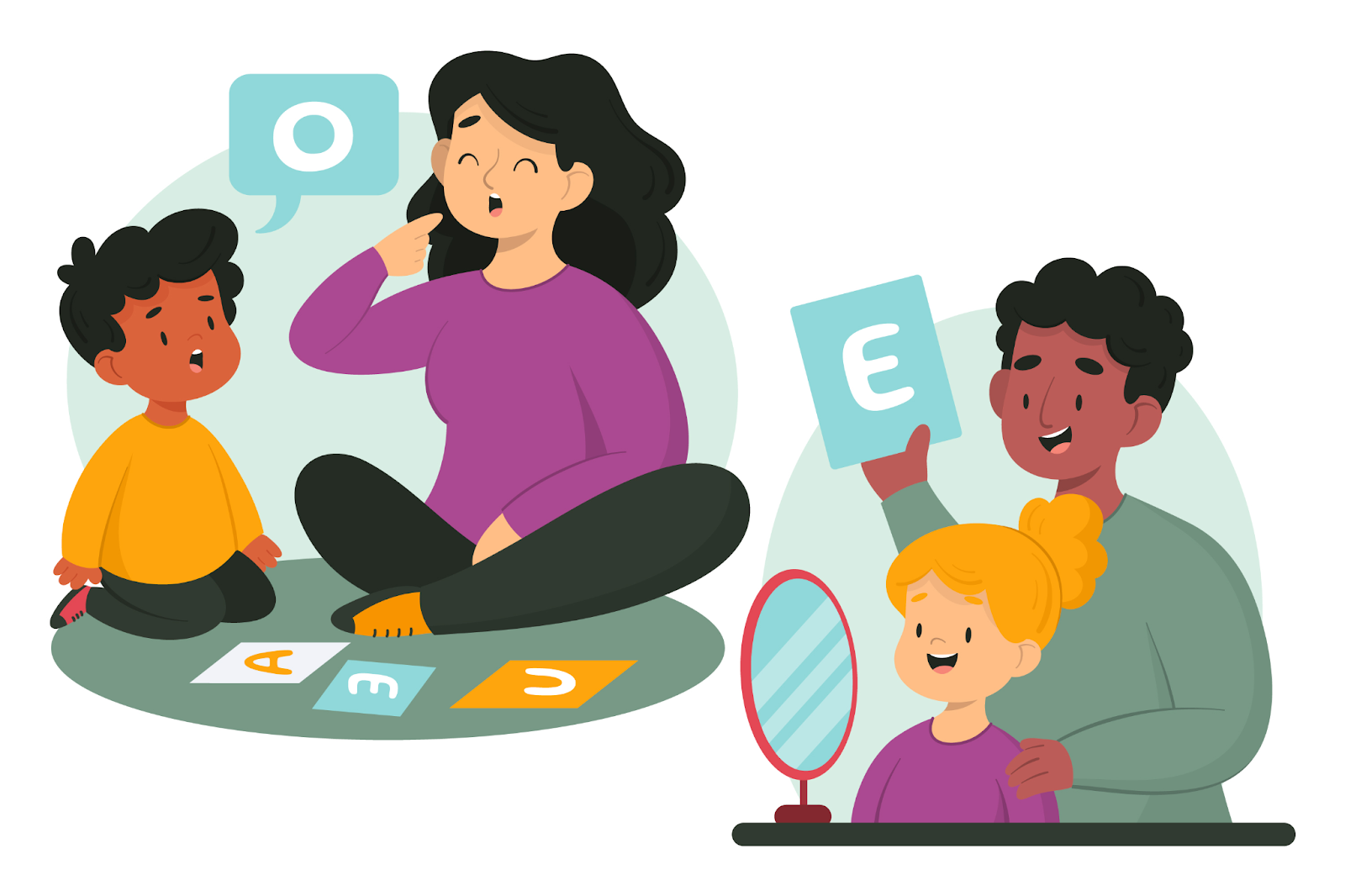
Emotional intelligence and social skills determine success as much as academic achievement. This section examines how schools can systematically develop these crucial competencies through structured programs and everyday interactions.
Emotional Intelligence in Education
Students need to understand and manage their emotions while recognizing and responding appropriately to others' feelings. These skills enable effective communication, conflict resolution, and collaborative problem-solving.
Building resilience and grit helps children persevere through challenges and learn from failures. Schools that prioritize emotional development create environments where mistakes become learning opportunities rather than sources of shame.
Preparing Global Citizens
Modern education must develop cultural awareness and appreciation for diversity. Students need exposure to different perspectives, traditions, and ways of thinking to succeed in an increasingly interconnected world.
Entrepreneurship education teaches initiative, risk assessment, and innovative thinking. These programs help students identify opportunities, develop solutions, and understand the economic principles that drive global societies.
Technology Integration and Future Readiness
Digital literacy and technological competence are essential for 21st-century success. This section explores how schools can effectively integrate technology while maintaining focus on human connection and critical thinking.
STEM Education in Practice
Hands-on science, technology, engineering, and mathematics programs engage students in real-world problem-solving. Robotics clubs, astronomy projects, and environmental science initiatives provide practical applications for theoretical knowledge.
Students learn to use technology as a tool for discovery rather than passive consumption. Programming, design thinking, and data analysis become natural extensions of traditional academic subjects.
Balancing Digital and Real-World Learning
Effective technology integration supports inquiry-based learning without replacing human interaction and hands-on experiences. Students learn to evaluate digital information critically while developing healthy relationships with technology.
Project-based learning connects classroom concepts with real-world applications, helping students understand how their education relates to future career opportunities and societal contributions.
Check Out | Reimagining Education with Real World Learning
The Cambridge International School (TCIS), Haralur: Excellence in Multidimensional Development
View Profile
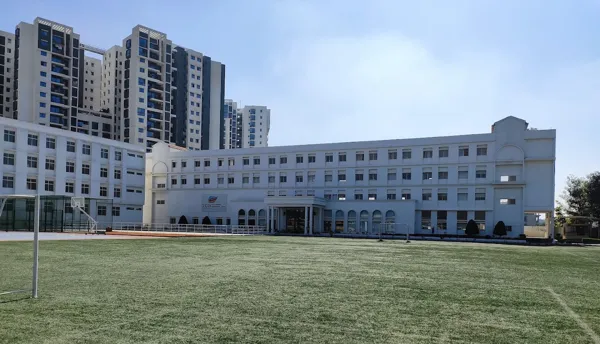
Located in Haralur, Bangalore, The Cambridge International School was established in 2016 with a vision to reimagine education for the modern world. Following the CBSE curriculum while integrating international standards, TCIS has created a unique educational model that places learners at the center of all activities.
The school's child-centric differentiated learning approach recognizes that every student possesses unique talents and learning styles. Through personalized attention and innovative teaching methods, TCIS ensures that each child receives the support needed to reach their full potential across all areas of development.
One of the best CBSE Schools in Bangalore, TCIS has achieved remarkable academic success with a 100% pass rate and 85% of students earning distinctions in Grade 10 and 12 Board examinations annually. Thirty percent of graduates gain admission to premier institutions like IITs, NITs, NIDs, and IISERs, while 20% pursue higher education at prestigious international universities. These achievements reflect the strength of the school's comprehensive educational strategy.
Beyond academics, TCIS students excel in diverse fields. The school proudly celebrates 20 national champions in sports, including skating, fencing, and basketball. Several students have represented India at the Commonwealth Games and International Children's Olympics. The school community also includes published authors, talented musicians, young entrepreneurs, and visual artists who demonstrate the effectiveness of multidimensional development in nurturing extraordinary talents across multiple domains.
Ready to provide your child with a comprehensive educational experience that nurtures every aspect of their development? Explore TCIS Haralur's programs and discover how multidimensional learning can unlock your child's full potential.
For more information on this and similar schools in the area, check out this list of the best schools in Bangalore








 as a preferred source on