







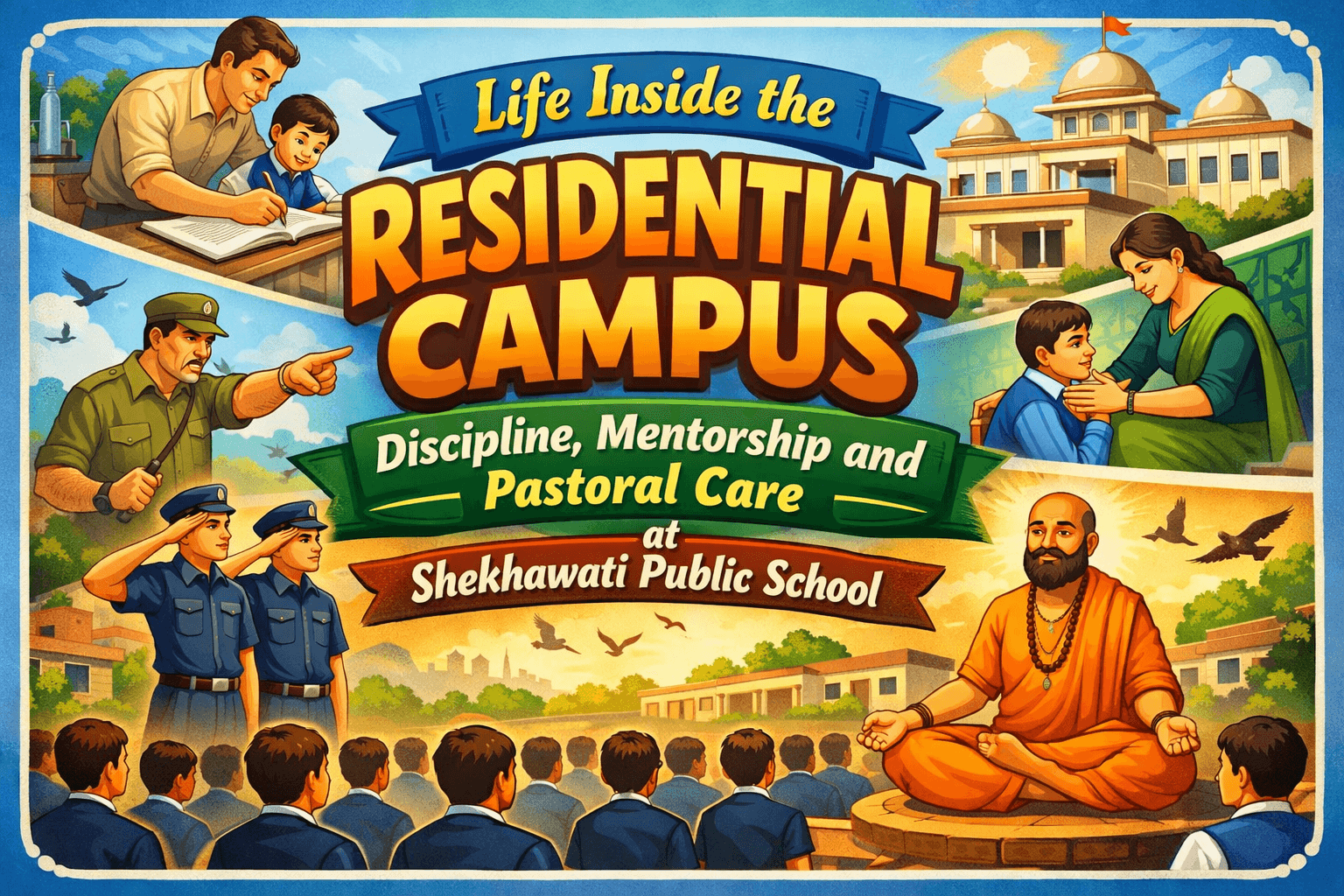

In most cases, living in an organised boarding setup helps learners grow sharper habits around focus, daily planning, and handling stress more steadily than those commuting daily. Schoolwork still matters most, yet what happens outside class on such campuses stretches much further than pages and tests. Picture this: structure, guidance, and steady support link quietly behind the scenes, building up people who stand tall, act wisely, and stay grounded through ups and downs.
When noise never stops, plus everyone around pushes one way or another, boarding schools give kids steady ground - quiet support mixed with routine builds self-reliant teenagers slowly.
With this article, we wanted to talk about the overall learning in residential care and how one of the best boarding schools, the Shekhawati Public School, is working on creating a stable environment for overall education.
The Importance of Staying Focused When Growing as a Person

Discipline in a residential campus is not about strict rules for the sake of control. Instead, it is about cultivating habits that empower students for life. Waking up at a fixed time, attending classes punctually, participating in sports, completing assignments on schedule, and maintaining personal spaces, with these daily routines, gradually build consistency and accountability.
Unlike day schools, where discipline largely ends when a child leaves campus, residential schools extend learning into everyday life. Students learn to:
- They set their daily routines themselves
- Own up to what they carry
- Respect shared spaces
- Follow community norms
This consistent structure fosters self-regulation. Over time, students internalise discipline rather than merely following instructions. They begin to understand why time management matters, why commitments must be honoured, and why teamwork requires mutual respect.
Importantly, effective discipline in residential settings is balanced with empathy. Modern boarding campuses focus on positive reinforcement rather than punitive measures. Clear expectations, transparent communication, and consistent supervision create a safe and predictable environment where students thrive.Also Read| Fielding Skills, Fitness, and Fun
Mentorship As A Quiet Influence On Development
Few things shape school days like living together under one roof. When lessons end, those who teach keep showing up - not at desks but in hallways, meals, and quiet talks. Their presence stretches beyond class hours, quietly shaping choices, offering steady examples without fanfare. These moments pile up, turning familiar faces into figures hard to forget.
When students spend long stretches on campus alongside teachers, they cross paths outside lecture halls too. During quiet study times, school clubs, or just walking between buildings, instructors notice how learners act when not in class. These glimpses add up, giving guides a clearer sense of who each person really is. This deeper understanding allows mentors to:
- Identify hidden talents
- Recognise emotional struggles early
- Offer personalised academic guidance
- Build strong character through everyday interactions
Structured mentorship programs in residential schools often include house systems, tutor groups, and regular one-on-one sessions. These systems ensure that every child has at least one adult consistently tracking their progress and well-being.
For adolescents navigating identity, peer relationships, and academic pressure, mentorship becomes a stabilising anchor. A trusted mentor can help a student regain confidence after academic setbacks or encourage them to pursue leadership roles they might otherwise avoid.
Pastoral Care Focuses on Emotional Well-Being

Facing new environments can weigh on young minds, so support systems step quietly into the background of daily school life. When routines shift and familiar faces fade, some students feel adrift, and campuses notice this drift. Emotional stability isn’t just hoped for; it's built through steady presence and attentive listening. Rules guide behaviour, yet kindness holds space when rules aren't enough. Living apart from family means missing small comforts - those quiet moments matter here.
A strong pastoral care system includes:
- Trained residential wardens
- Counseling support
- Open-door communication policies
- Regular interaction with parents
- Health and wellness monitoring
Looking out comes before things go wrong. Teachers learn to spot when someone acts differently, seems off, or pulls away from others. Catching small signs early stops them from turning into big problems.
Life Skills Outside School
Living on campus feels like a small world of its own. Day by day, skills such as working together, resolving differences, understanding others, and even guiding peers show in later life.
When students share rooms, they learn how to give space and listen. Through group tasks, trust slowly grows between people who start as strangers. Events like music nights or soccer matches bring different personalities together by chance. Celebrating holidays on campus often turns hallways into homes.
These experiences nurture:
- Independence
- Emotional intelligence
- Conflict resolution skills
- Cultural sensitivity
- Leadership qualities
Little by little, learners start noticing themselves more clearly while fitting into social scenes with greater ease. Quiet shifts add up here: understanding one's reactions helps when teamwork gets tricky later on. These quiet changes? They stick around long past school years.
Read Further| Comprehensive Medical Support
Safety and Structured Living
Every moment watched over, a home-like setting runs on steady schedules, guarded spaces. Entry spots are checked regularly instead of left open, adults in charge live nearby, while rules for speaking up stay easy to follow.
Fear isn’t just about bruises or broken bones. What happens inside matters just as much. A classroom where voices land softly, without judgment, builds something quiet but strong. This steady ground lets kids try things that scare them - solving hard math, jumping higher, drawing what others might not get. Trust grows slowly, then holds firm when it counts.
Shekhawati Public School Residential Life
.jpg)
Life at Shekhawati Public School mixes routine with care, shaping days around steady habits. Instead of rigid control, there's support woven into each activity. Each morning begins quietly, followed by focused hours where learning flows without rush. Evenings carry a slower rhythm, allowing space to reflect or talk. Rules exist, yet they bend slightly when kindness matters more. Growth happens not just in class but through how time feels day after day.
The residential campus provides:
- Supervised hostel facilities
- Dedicated wardens and mentors
- Balanced schedules integrating academics, sports, and self-study
- A focus on moral values and character education
One thing about Shekhawati Public School? It builds more than just grades. Life here runs on routine, yet kindness shapes how rules feel. And that is probably what makes it feel like one of the best CBSE Boarding schools. Guidance comes not only from classrooms but also through quiet talks after lights out. Grown-ups who teach or stay on campus listen closely, so learning never happens without someone noticing the student behind it.
Starting each day with quiet reading, some teens join clubs that build confidence without focusing on grades. A mentor nearby helps when questions come up during evening work periods. Free time includes walks or games, helping balance effort and rest throughout the week.
Home life at Shekhawati Public School puts safety first, giving kids who stay on campus a place where they feel steady. Because staff pay close attention to the time spent living here, shifts slowly into growth instead of stress.
Preparing Students for the Future
Life inside a residential campus is a powerful preparation for adulthood. Students graduate not only with academic credentials but also with resilience, independence, and confidence.
- Discipline shapes habits.
- Mentorship shapes character.
- Pastoral care shapes emotional strength.
When these three pillars work together, the result is a balanced, capable individual ready to navigate university life and professional challenges.
Residential education, when executed thoughtfully, becomes not just about schooling and not just life training. And institutions like Shekhawati Public School demonstrate how structured living, guided mentorship, and compassionate care can create an environment where young minds truly flourish.
For more information on this and similar schools in the area, check out this list of the best Boarding Schools.














 as a preferred source on