








Today’s education often leans on digital tools and high-tech classrooms, yet some of the most powerful lessons come from lived experiences. Village immersion programs place students in rural settings, where they connect with communities, witness real challenges, and learn values of empathy, resilience, and problem-solving that go far beyond textbooks.
In the following article, we’ll explore how immersive learning, especially through village-based programs, goes beyond conventional education. We’ll look at how such initiatives nurture empathy, problem-solving, and resilience, and how Mussoorie International School, one of the best boarding schools in India, is bringing this vision to life through its unique approach.
Also Read | From Chant to Character: The Power of the Gayatri Mantra at Mussoorie International School
From Pages to Practice: Learning That Lasts
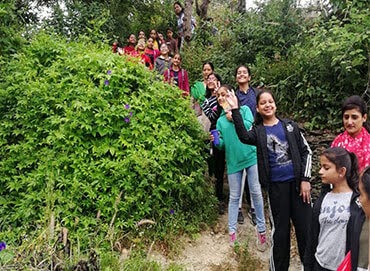
Education becomes truly meaningful when students step outside the classroom and live the lessons they study. Immersion programs take them beyond rote learning, placing them in real-world settings where concepts like agriculture, environment, and social development unfold in practice.
By engaging directly with communities, students witness resilience, cooperation, and resourcefulness firsthand. These experiences create powerful impressions, far more lasting than notes and lectures, while showing them how knowledge connects to everyday life.
Such experiential learning not only strengthens academic understanding but also shapes values. It nurtures empathy, curiosity, and respect for diverse ways of living, reminding students that true education is about understanding the world and their place within it.
Breaking Barriers: How Immersion Transforms Education
Immersion breaks down the walls between theory and reality, allowing students to learn by living the lessons themselves. It challenges comfort zones, nurtures empathy, and sparks innovative thinking, proving that true education happens when experience meets understanding. Let's explore how:
- Firsthand Exposure: Students directly experience the challenges of rural life, moving beyond abstract statistics to real human stories.
- Emotional Connection: Living and interacting with local communities cultivates empathy by fostering an understanding of diverse struggles and lifestyles.
- Perspective Shift: Students learn to appreciate different ways of life, reducing stereotypes and broadening their worldview.
- Contextual Problem-Solving: Real-world issues in villages like water scarcity, waste management, or education gaps demand creative, practical solutions.
- Long-Term Impact: The empathy and problem-solving skills gained often inspire students to pursue socially responsible projects and careers.
Experiencing Education Through Rural Living
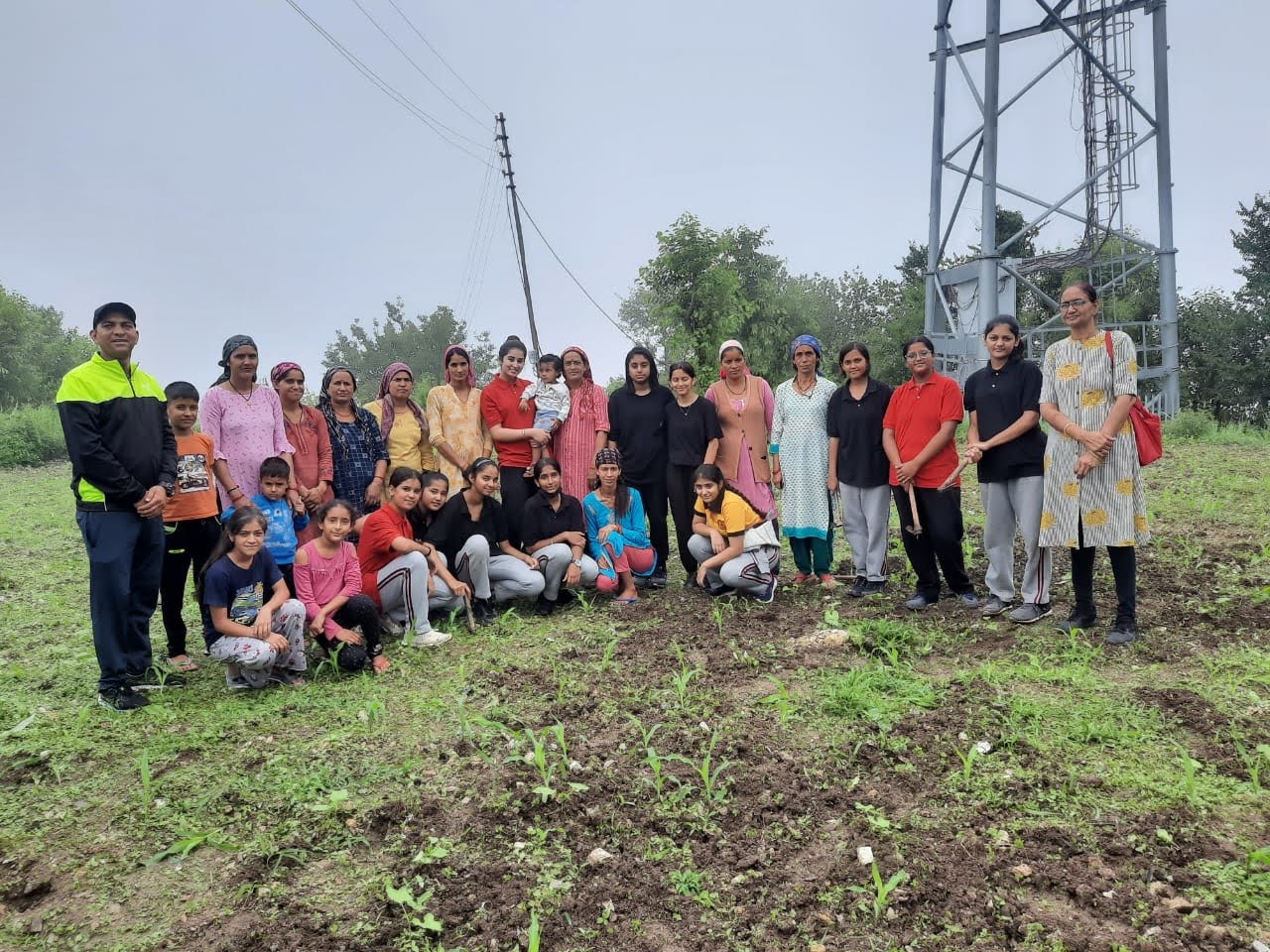
When students live and learn in rural settings, they move beyond theoretical lessons and step into a world where every activity becomes a form of education. Sharing daily routines with villagers, whether it’s working in the fields, fetching water, or observing local schools, gives them firsthand exposure to the challenges and strengths of rural life. This immersive program transforms the village into a living classroom, offering lessons that no textbook can replicate.
Interaction with rural communities deepens understanding in ways lectures cannot. Students witness the values of cooperation, sustainability, and resilience embedded in everyday village life. They learn not just through observation but by actively participating in cultural practices and community tasks, which nurtures empathy and breaks down preconceived notions about rural lifestyles.
Such settings also sharpen problem-solving skills by presenting students with real, complex issues like sanitation, education gaps, or resource limitations. Finding solutions in these contexts requires creativity, adaptability, and collaboration. At the same time, adjusting to limited facilities and unfamiliar conditions builds resilience, shaping students into compassionate, practical, and socially responsible individuals.
Immersive Programs for Holistic Development
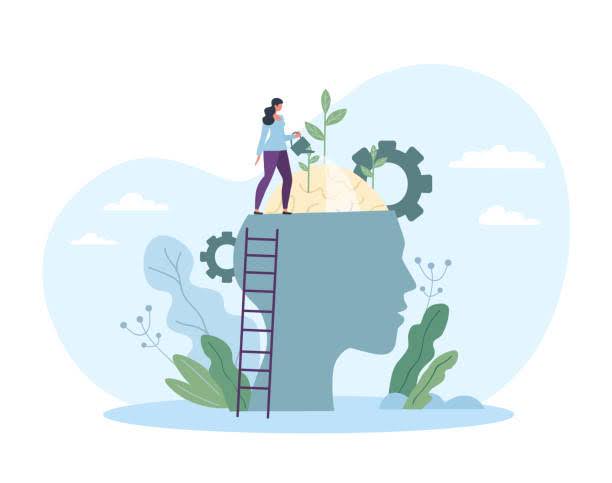
Immersive programs act as powerful tools in shaping empathy and problem-solving skills, helping students move beyond observation to truly connect with communities and tackle real-world challenges with creativity and compassion. Let's explore how schools across the world are using similar models of immersive programs:
- Service-Learning Projects (USA): Students participate in community service integrated with academic study, applying classroom knowledge to solve real-world issues.
- Outdoor and Nature Schools (Scandinavia): Children spend significant time in forests and natural settings, fostering resilience, creativity, and environmental awareness.
- Cross-Cultural Exchange Programs (Europe & Asia): Schools send students to live with host families in different countries or communities, building empathy, adaptability, and global citizenship.
- Indigenous Community Immersions (Australia & Canada): Students learn from indigenous groups about traditional practices, sustainability, and cultural heritage.
- Global Citizenship Programs (International Schools): Students are exposed to social responsibility projects, often involving immersion in underprivileged communities worldwide.
Check Out | Why Do You Think Community Service Matters?
Mussoorie International School: Redefining Education Through Village Immersion
Founded in 1984, Mussoorie International School, one of the best boarding schools in Mussoorie, set in the serene hills of Uttarakhand, blends academic excellence with holistic development, preparing students to grow into confident, compassionate, and globally minded individuals.
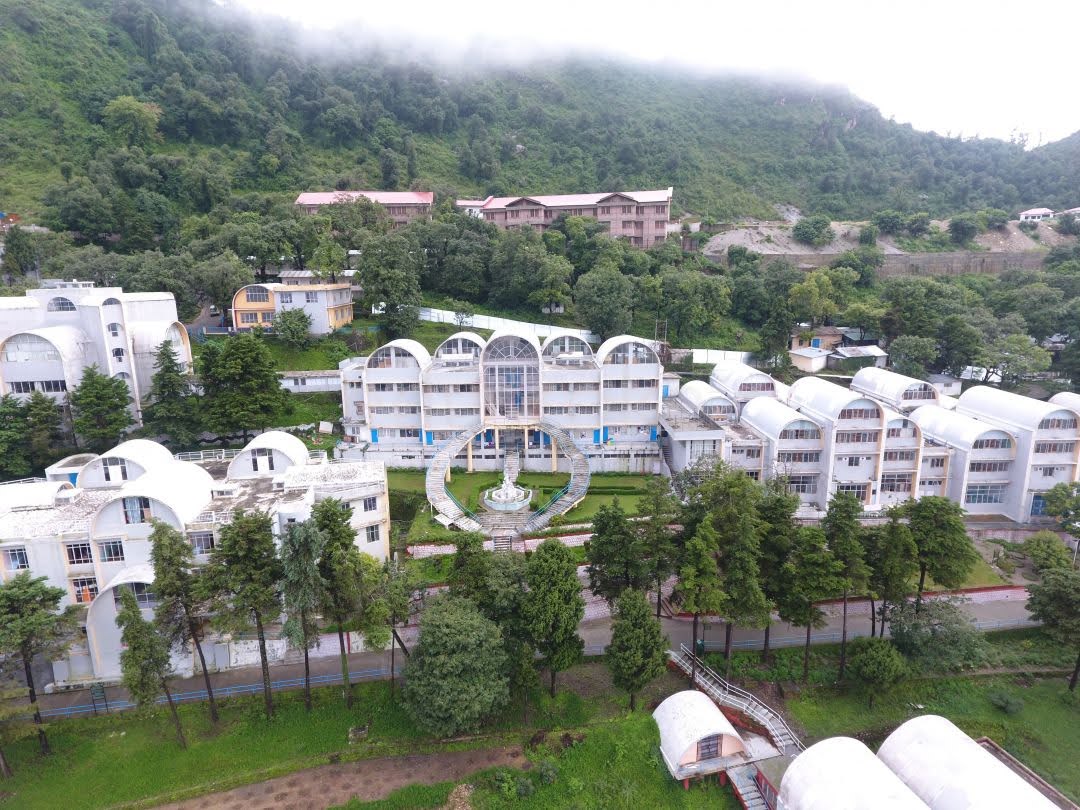
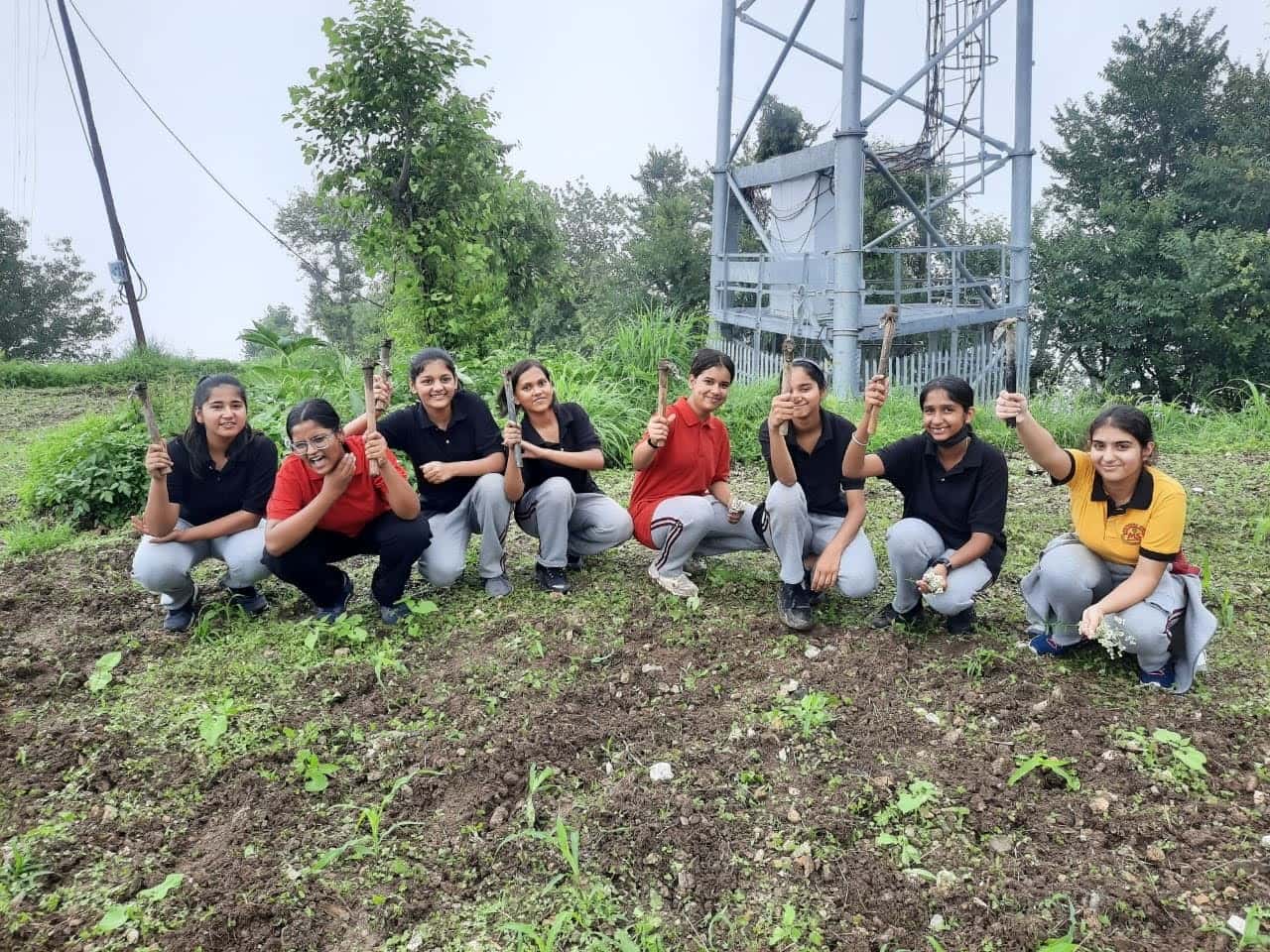
Mussoorie International School has taken a remarkable step in integrating experiential education through its Village Immersion Program, conducted in collaboration with Tata Trusts. Spread over five days in the village of Churedhar, Dhanaulti, in Uttarakhand’s Garhwal district, this initiative allows students to step into rural life and actively participate in the daily experiences of the community. By living alongside villagers, they gain an authentic perspective on the challenges and strengths of rural India.
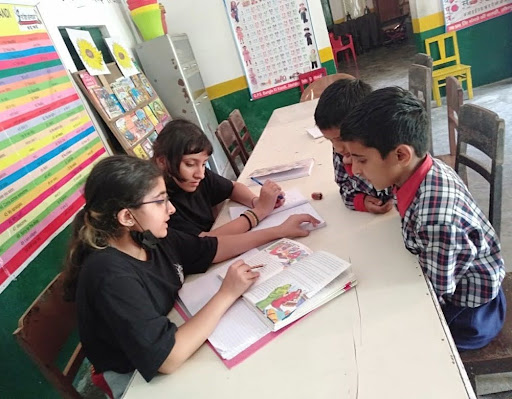
The program is carefully designed to balance learning and contribution. Students engage in farming activities, interact with local schools, and observe how villagers adapt to limited resources with resilience and ingenuity. These experiences not only broaden their understanding of sustainability and community values but also help them develop empathy, cultural sensitivity, and problem-solving skills that extend beyond academics.
Through such immersion, Mussoorie International School emphasizes holistic growth. Students return with deeper respect for grassroots realities and a stronger sense of social responsibility. By weaving this program into their broader curriculum, the school ensures that education is not just about academic achievement, but also about shaping compassionate, aware, and responsible global citizens.
For more information on this and other similar schools, check out this list of the best boarding schools in India.











 as a preferred source on