







Have you ever noticed how a child’s confidence blooms when they feel included, how they speak up more in class, share ideas freely, and smile without holding back?
That shift doesn’t come from grades or achievements alone. It comes from knowing they are safe, respected, and valued for who they are. A school that understands this works just as hard on emotional safety as it does on academics, making kindness part of the culture rather than a set of rules.
Manav Rachna International School, one of the best schools in Gurgaon, has built this belief into every corner of campus life, creating a true zero-bullying zone where belonging is the norm, not the exception.
In this article, we’ll look at what a zero-bullying environment really means, how bullying impacts children, and the ways MRIS teaches empathy, respect, and understanding right from the start.
Also Read: Connecting Concepts via Thematic Learning in Early Years | MRIS Sector 51 Gurgaon's Approach
What Is a Zero Bullying Zone?
A zero-bullying zone is a place where kindness, inclusion, and respect are built into daily life, not something saved for special assemblies. It’s a space where bullying is not ignored, where every student feels protected by a shared community culture.
-
Everyone’s Included
From group activities to lunchtime conversations, teachers and students make sure no one is left out. Inclusion is intentional, not accidental, and friendships aren’t limited by cliques or similarities. -
Teachers Are Trained
Staff receive real training, not just generic advice, on how to identify subtle bullying behaviors and address them early. They know what signs to look for and how to approach issues with calm authority. -
Accountability in Practice
Anti-bullying isn’t just a rule, it’s backed by clear consequences, support systems, and proper channels for reporting. Students understand the importance of speaking up and being heard when they do. -
Student-Led Initiatives
Older students are often empowered to lead buddy programs or kindness campaigns. This not only promotes peer-to-peer learning and support but also helps shift the culture from reactive to proactive.
The Impact of Bullying in Schools
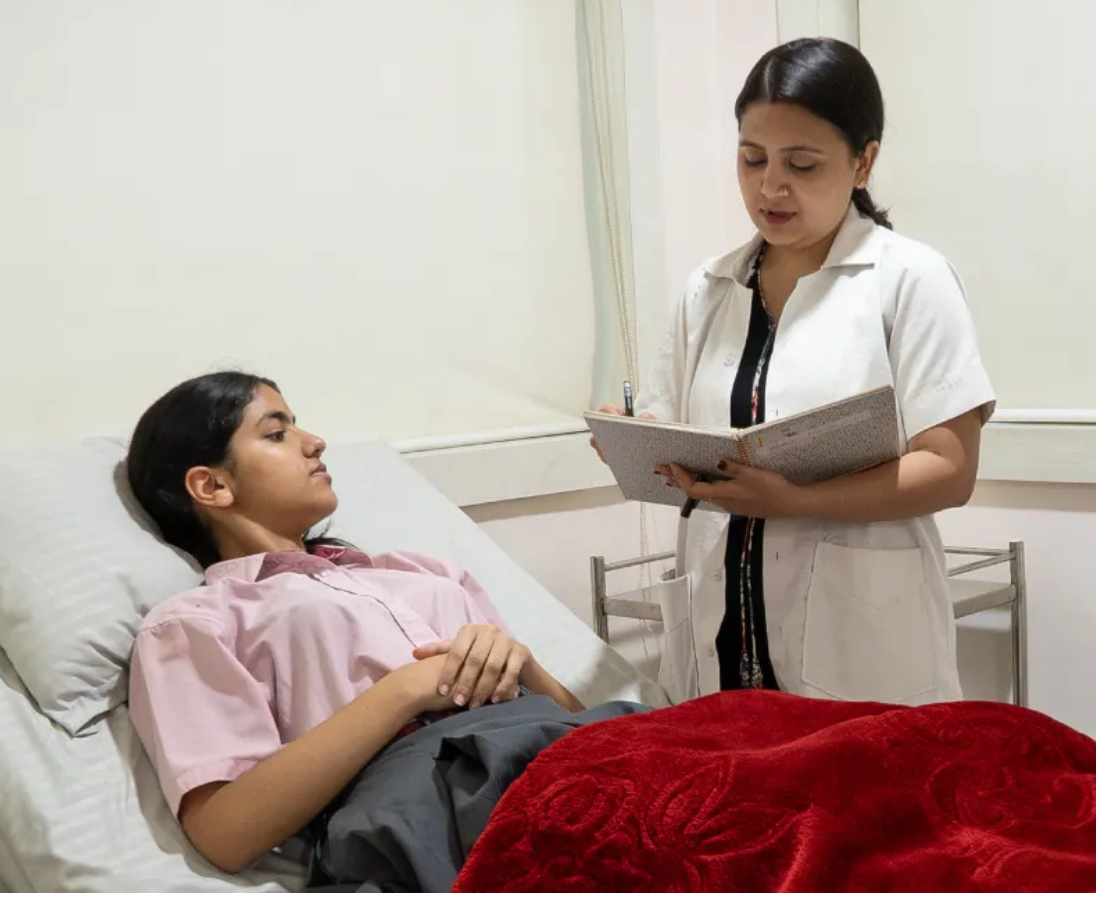
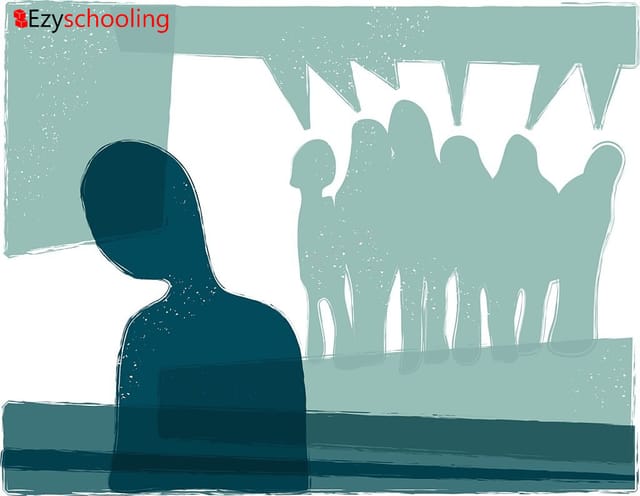
The effects of bullying go far beyond tears in the hallway. It can quietly chip away at a child’s confidence, engagement, and long-term emotional well-being. And it doesn’t only affect the victim, everyone in the school feels the weight of it.
-
Academic Disengagement
Children who are bullied often become hesitant in class, fear raising their hands, and gradually detach from learning. The pressure of judgment overshadows their willingness to participate. -
Anxiety and Withdrawal
Some children become quiet, anxious, or overly sensitive due to bullying. They might avoid school, skip activities they once enjoyed, or show signs of sleep disturbance and stress. -
Damaged Peer Culture
Even those who aren’t directly targeted start feeling unsafe or pressured to conform. Friend groups become closed off, trust declines, and the overall sense of community begins to fade. -
Aggressors Also Suffer
Students who bully others often do so due to their own insecurities or lack of emotional tools. Left unchecked, these behaviors can lead to serious relationship and behavior issues later in life.
Teaching Emotional Intelligence & Respect From Early Years
Children aren’t born knowing how to resolve conflict, express emotions, or apologize sincerely. These are skills, just like math or reading, and they need to be taught early and reinforced regularly.
-
Storytelling & Reflection
Books and stories are used to help kids understand emotions and situations from multiple points of view. Teachers follow up with gentle discussions that help children connect the lessons to real life. -
Classroom Norms
Simple habits like saying “please,” active listening, and waiting turns are modeled and celebrated. These daily behaviors help set a respectful tone without needing to be “taught” as rules. -
Feelings Vocabulary
Children are encouraged to label what they’re feeling, like “I’m frustrated” or “I feel left out.” This self-awareness reduces lashing out and builds early emotional control. -
Conflict Resolution Skills
Instead of sending every small issue to the teacher, students learn how to talk it out with peers. Practicing how to say sorry, listen, and compromise builds long-term confidence.
How Parents Can Support a Bully-Free Environment
Home and school environments work best when they’re aligned. Parents play a huge role in helping kids understand empathy, build confidence, and speak up when something doesn’t feel right.
-
Open Conversations
Ask open-ended questions about their day, friends, or any challenges. Let your child know they can talk to you without fear of judgment, and that their feelings are valid. -
Model Kindness at Home
Children mimic adult behavior. When they see adults managing conflict calmly, listening, and respecting others, they learn that those are the standards in life, not just in school. -
Watch for Warning Signs
Be aware of mood shifts, sleep issues, or sudden changes in social behavior. If your child suddenly avoids school or becomes unusually quiet, it might be worth a gentle conversation. -
Encourage Peer Support
Teach your child how to support others, like standing beside someone who’s being left out. When kids know how to be kind and brave, they change the culture around them.
Check Out: Why Personality Development Matters in School
Manav Rachna International School, Sector 51: A Humane School Culture in Action
Located in the heart of Mayfield Gardens, Manav Rachna International School (MRIS), Sector 51, one of the best CBSE Schools in Gurgaon, is known not only for its academic excellence but for the way it builds a culture of respect and belonging. The school offers classes from Pre-Nursery to Grade X, with a strong emphasis on creating a safe, inclusive, and supportive environment for every child.
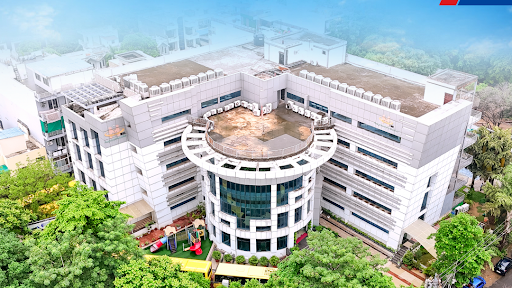
At the heart of its ethos is the belief that kindness is not an occasional lesson but a daily practice. The school’s zero-bullying policy is backed by structured programs that teach empathy, conflict resolution, and respectful communication from the earliest years. Regular workshops, awareness drives, and student-led initiatives help children see themselves as active contributors to a positive school culture.
Key programs that build belonging include:
-
Zero-Bullying Culture through peer workshops, assemblies, and staff training on identifying and intervening in conflict early.
-
Life Skills & Values Modules are integrated into classrooms, teaching empathy, communication, and personal responsibility.
-
Counseling & Soft Skills Workshops led by trained counselors, focusing on resilience, conflict resolution, and self-awareness.
At MRIS Sector 51, children are seen, heard, and respected, creating an environment of belonging, where students are encouraged to support each other rather than compete.
For more information on MRIS and other similar schools, check out this list of the best schools in Gurgaon.







 as a preferred source on