







Have you ever noticed how a child’s face lights up when they can finally read a story on their own or share their thoughts confidently in front of others? Language and literacy are the foundation of all learning, the tools that allow children to think critically, connect with others, and express themselves with clarity.
Parents today recognize that strong language skills are not just about reading and writing; they are about building confidence, creativity, and a lifelong love of learning. Schools that focus on literacy early equip students with the ability to understand the world and articulate their place in it.
In this article, we explore why language and literacy are essential skills in early education, how multilingual learning benefits young minds, and how MRIS Charmwood, Faridabad, one of the best schools in Faridabad, integrates language development seamlessly into its holistic curriculum.
Also Read | Why Future Skills and Sustainability Matter in Education: MRIS Charmwood’s Vision
Why Language and Literacy Matter
Language is more than just a subject taught in schools; it is the gateway to all learning. Children who develop strong reading, writing, and speaking skills early on gain an advantage that carries through every stage of their education. Literacy empowers them to:
- Think and express clearly: The ability to put thoughts into words allows children to process ideas logically and communicate effectively. Instead of memorizing answers, they learn to articulate reasoning, share opinions, and participate in meaningful discussions, which builds confidence both inside and outside the classroom.
- Learn independently: Strong literacy skills open doors to self-directed learning. A child who reads well can explore books, articles, and digital resources to answer their own questions. This nurtures curiosity, problem-solving ability, and a habit of lifelong learning, which is crucial in a fast-changing world.
- Build social connections: Communication is key to collaboration. Children who can express themselves and listen actively are better at forming friendships, resolving conflicts, and working in teams. This social growth helps them feel included, supported, and more motivated to engage in school life.
- Excel academically: Literacy is the foundation for every subject. Whether it’s understanding math word problems, following scientific processes, or writing history essays, students with strong language skills grasp concepts faster, perform better on assessments, and enjoy a smoother academic journey overall.
The Link Between Literacy and Confidence
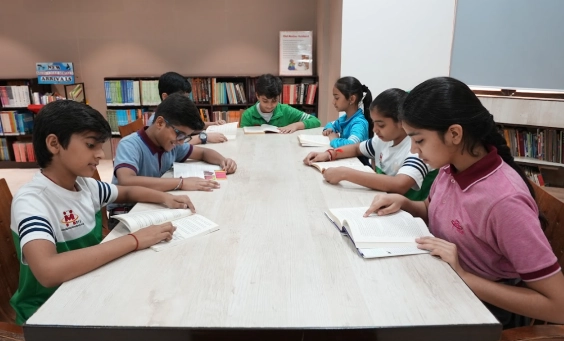
Confidence in school doesn’t come from grades alone; it comes from a child’s ability to understand, express, and be heard. When children develop strong reading and speaking skills, they step into every classroom activity with assurance. Literacy builds confidence in the following ways:
- Participate actively in class: When children can clearly read and comprehend lessons, they feel assured in sharing their answers. This ability to contribute in discussions and raise their hand without hesitation strengthens their classroom presence and confidence.
- Communicate effectively: Strong literacy equips students with the words and fluency to express their ideas and emotions. Being understood by teachers and peers validates their efforts, which in turn builds self-belief.
- Shine in presentations and projects: Literacy helps children structure their thoughts and present them fluently, whether in a poem, speech, or science project. Each successful presentation boosts their confidence to perform in front of others.
- Develop leadership skills: The ability to speak and write confidently encourages children to guide group work, inspire peers, and take initiative. Literacy, therefore, becomes the foundation of leadership, instilling the confidence to step up.
- Take on new challenges: When children trust their ability to read, write, and speak well, they are less afraid of mistakes. This self-assurance makes them more open to trying new subjects, activities, or competitions, further reinforcing their confidence.
Benefits of Multilingual Learning
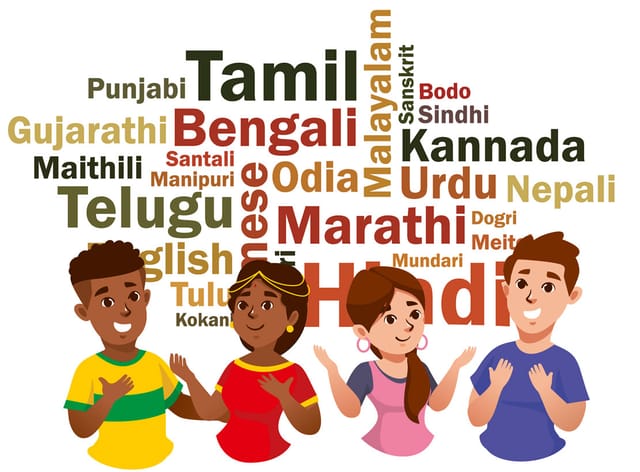
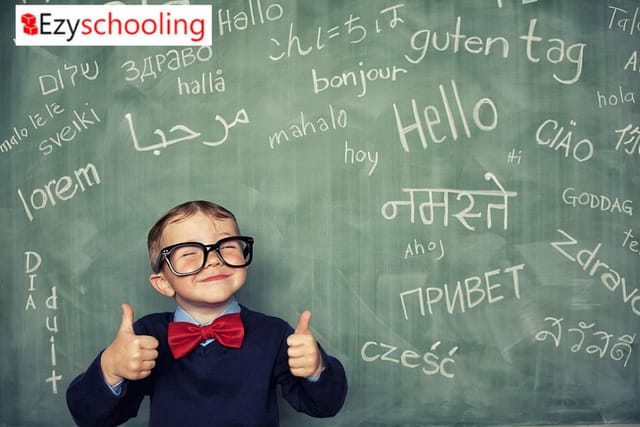
Multilingualism is more than just an academic skill; it’s a life advantage. Children who learn and use more than one language develop sharper minds, stronger communication skills, and a global mindset. Multilingual learning helps children:
- Sharpen memory and focus: Learning multiple languages exercises the brain like a workout, improving memory retention, concentration, and attention to detail. Children become better at recalling facts, following instructions, and staying mentally alert during lessons.
- Boost problem-solving skills: Switching between languages strengthens cognitive flexibility, the brain’s ability to shift between different modes of thinking. This makes children more innovative, better at spotting patterns, and quicker at coming up with creative solutions.
- Enhance cultural awareness: Exposure to different languages naturally leads to learning about the cultures they belong to. Students grow up with respect for diversity, empathy for others’ experiences, and the ability to connect with people from varied backgrounds.
- Adapt easily to new environments: Being bilingual or multilingual prepares children for a globalized world. They feel comfortable traveling, studying, or working abroad, and are able to collaborate with people from different regions with ease.
Integrating Language with Modern Education
Today’s education system understands that language learning must be dynamic, engaging, and connected to real life. Modern schools move beyond rote grammar lessons and create experiences that make language a living, breathing skill. They do this by:
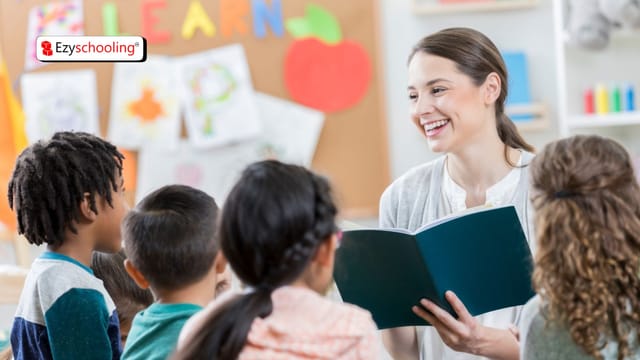
- Storytelling and reading programs: Using stories, picture books, and interactive read-aloud sessions to spark imagination and build comprehension skills. This helps children fall in love with reading early.
- Debates and discussions: Encouraging students to share their opinions on real-world topics helps them practice reasoning, develop critical thinking, and speak with confidence.
- Role plays and dramatics: Acting out situations allows children to practice tone, expression, and vocabulary in a fun, low-pressure environment, making communication skills second nature.
- Digital tools and e-learning platforms: Language labs, e-libraries, and interactive apps turn lessons into engaging activities. This exposure to technology also prepares students for the digital future.
- Creative writing exercises: Journals, short stories, and poetry writing nurture imagination while improving grammar, vocabulary, and expression
Check Out | Why Language Skills Are the Real Superpower
MRIS Charmwood: Where Language Builds Leaders
MRIS Charmwood, Faridabad, one of the best CBSE schools in Faridabad, believes that language is the foundation of lifelong learning and personal growth. The school has built a robust, future-ready framework to nurture communication skills right from the early years, ensuring students grow into articulate and confident individuals.
Highlights of MRIS Charmwood’s Language Development Approach
- Story Circles and Reading Buddies: Older students mentor younger ones through interactive story sessions, encouraging peer learning and creating a culture of shared reading.
- Creative Writing Clubs: Students explore their imagination through poetry, short stories, and blogging activities, giving them a platform to express ideas beyond the classroom.
- Podcasting and Audio Journals: Children record reflections and discussions on school topics, helping them improve articulation and confidence while learning to use their voice effectively.
- Parent-Child Literacy Events: MRIS Charmwood hosts reading marathons and storytelling evenings where families participate, reinforcing the importance of language skills at home.
At MRIS Charmwood, language is treated as a life skill, not just a subject. By focusing on reading, speaking, writing, and listening, the school empowers children to unlock their creativity, communicate with confidence, and engage meaningfully with the world. Students graduate as articulate thinkers, empathetic listeners, and globally aware citizens, ready to lead and make a difference.
For more information on this and other similar schools, check out this list of the best schools in Faridabad.


 as a preferred source on