







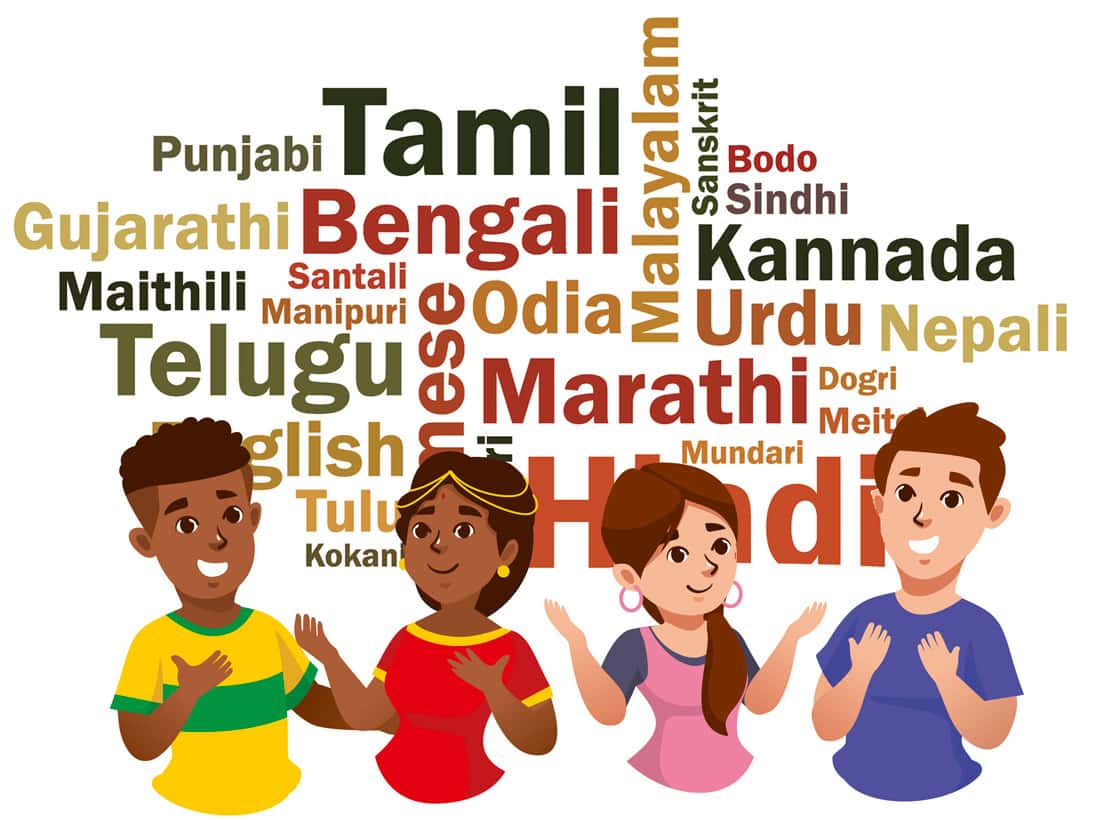

Language is more than words, it’s the soul of who we are. It carries our identity, echoes our culture, and ties us to generations before us. Regional languages, especially, are vibrant threads in this tapestry, keeping traditions alive and hearts connected to their roots.
Through dynamic and engaging live-streamed classes, regional languages have become celebrations of heritage, pride, and belonging. They open doors to a multilingual world while anchoring us in the richness of our origins.
Sunbeam World School, one of the best online schools in India, is transforming how regional languages are taught by offering live, interactive sessions with expert native instructors. By bringing language to life through conversation, cultural insights, and real-world context, Sunbeam ensures that every student feels a strong connection to their linguistic heritage.
In this article, we’ll explore the importance of regional language learning at Sunbeam World School. We’ll discuss how it strengthens identity, preserves cultural heritage, and opens career opportunities. Plus, we’ll highlight how Sunbeam’s live-streamed, native-led classes are shaping the future of language education.
Also Read | Ensuring Global Standards in Education | Accredited Excellence at Sunbeam World SchoolLanguage: The Soul of Identity

Language is more than just a medium of communication. It is a carrier of culture, a preserver of tradition, and a mirror of identity.
For children, especially in their formative years, learning their mother tongue or a regional language fosters a deeper connection to their roots. It builds a sense of belonging and pride in their heritage. Students aren’t just learning to speak a language, they’re connecting with centuries of cultural wisdom, storytelling, and local values.
It is noteworthy to mention that children who understand and speak their mother tongue often exhibit higher levels of self-esteem, social confidence, and emotional intelligence. These qualities are nurtured when learners feel that their identity is acknowledged and respected.
Preserving Heritage Through Education

Regional language education plays a vital role in preserving cultural heritage. From connecting students to their roots to promoting linguistic diversity, these efforts ensure that our traditions and languages are passed on to future generations. Let's explore how:
- Cultural Continuity: Teaching regional languages ensures that children connect with their cultural roots, keeping traditions, stories, and customs alive for future generations.
- Language as Identity: By learning their mother tongue, students develop a stronger sense of belonging, fostering pride in their heritage.
- Promoting Linguistic Diversity: Sunbeam World School’s regional language classes help preserve the linguistic richness of India, preventing valuable languages from fading away.
- Community Connection: Students deepen their understanding of local history, folklore, and customs, forming a stronger bond with their community.
- Intergenerational Knowledge: Language is a bridge to learning about past generations. Regional language learning allows students to engage with older generations, preserving wisdom and experiences.
Bridging Cultures: A Future-Ready Approach to Regional Language Education

Education must adapt to the evolving needs of a rapidly changing world, blending tradition with innovation to prepare students for a future that is both local and global. A model for inclusive, future-ready education goes beyond technical knowledge, integrating cultural and linguistic diversity into the curriculum.
By offering regional language learning, students gain a deeper connection to their heritage while building essential skills for global opportunities. This approach empowers learners to embrace their cultural identity with pride, while fostering critical thinking and adaptability that are vital for success in a competitive world.
Through language, students gain not only communication skills but also an understanding of different worldviews, traditions, and values. This cultural awareness prepares them to navigate a globalized world with empathy and confidence. By embracing their own heritage while appreciating the richness of other cultures, students become leaders who can collaborate across borders and drive positive change in a multicultural society.
Linking Language with Career Opportunities

Beyond the cultural and emotional value, there is a growing practical relevance to learning regional languages in the modern world. Bilingual or multilingual individuals have an edge in careers such as:
- Translation and Interpretation: With businesses and government bodies needing content in multiple languages, language specialists are in high demand.
- Cultural Tourism and Heritage Conservation: Professionals with deep linguistic and cultural knowledge can play key roles in promoting regional tourism and managing heritage projects.
- Media and Entertainment: Regional language content is growing rapidly in movies, TV shows, and music, as the people involved now speak local languages.
- Diplomacy and Civil Services: Multilingual individuals are better equipped to serve in government roles, especially in culturally diverse and multilingual settings.
Check Out | Language Skills for Success: Improving Your Child's Learning Abilities
Sunbeam World School: Fostering Cultural Literacy Through Regional Language Pedagogy
Ranked among the best NIOS online schools in India, Sunbeam World School stands at the forefront of future-ready education. With prestigious international accreditations and a globally aligned curriculum, the school ensures that students are not only well-versed in academics but also equipped to thrive in an increasingly interconnected world.

Sunbeam World School has emerged as a trailblazer in reimagining how regional languages are taught in the digital age. Rather than relying on conventional rote learning methods, the school has crafted a vibrant and inclusive learning environment where language comes alive.
Through live, interactive classes conducted by native-speaking educators, students are introduced to the beauty of regional languages in a way that feels both natural and inspiring. These instructors don’t just teach grammar and vocabulary, they share stories, traditions, idioms, and cultural practices that give students a holistic understanding of the language and its place in the world.
This approach is a testament to the school’s belief that preserving our linguistic heritage is not a step backwards—it’s a leap forward. By giving regional languages a rightful place in modern education, the school is ensuring that students are not only academically competent but also culturally aware, empathetic, and future-ready.
For more information about and similar other online schools, explore our list of the best online schools in India.
 as a preferred source on