









Did you know the human brain processes visual information 60,000 times faster than texts? This amazing fact shows a huge gap in how traditional schools teach one of their most important subjects: moral values. Indian schools do very well at teaching mathematics and science through logic, but they often find it hard to teach empathy, kindness, and integrity with those same old textbooks.
Children today grow up in a complicated digital world where they face tough choices that simple black-and-white moral stories cannot explain. We need to change our teaching methods from basic rote memorization to exciting visual experiences that really touch the heart. Some good schools in Noida have started providing film-based learning as a strong answer by changing abstract values into easy-to-relate-to emotional situations that students can understand and use in real life.
Also Read: Values That Last a Lifetime: The Virtues Behind True Education
The Science Behind Visual Storytelling and Character Building
Why Textbooks Fail at Teaching Empathy
We cannot teach a child to be kind just by making them memorize the definition of kindness. Actual moral learning happens when a student feels what another person is feeling, which is difficult to achieve through text alone. When students read about a character, they understand the story intellectually, but when they watch a character cry, laugh, or struggle on screen, their brains mirror those emotions.
This biological connection creates a lasting impression that a lecture or a chapter in a textbook simply cannot match. Studies show that students retain only about 10% of what they read after 3 days, but they remember nearly 65% of what they see and hear visually.
Connecting Actions with Results
Films give a unique opportunity for students to see the immediate and long-term results of different choices without suffering the real-world harm. A short film about bullying can show not just the act itself, but the hidden pain of the victim and the eventual regret of the bully. This allows young viewers to live through the experience safely and understand why certain behaviors are wrong.
It moves the concept of values from a list of rules on a chalkboard to a dynamic, living reality. By observing characters who look and speak like them, students can see how small decisions lead to big outcomes in real life.
Tackling Modern Challenges Through Cinema
Creating Safe Spaces for Difficult Conversations
Indian students today face modern pressures that traditional moral stories about tortoises and hares do not address. They deal with cyberbullying, body image issues, peer pressure, and digital safety concerns that require modern context. Film-based modules allow teachers to introduce these sensitive topics in a non-threatening way because the discussion focuses on the character rather than the student.
A student might be afraid to say, "I feel lonely," but they will happily discuss why the character in the movie felt lonely. This third-person perspective creates a psychological safety net, encouraging students to speak up, share their thoughts, and ask questions they might otherwise hide.
Developing Logical Thinking and Decision Making
Value education is not just about being good; it is about making the right decision when the situation is confusing. Films often present characters with difficult dilemmas where the right answer is not immediately obvious, forcing students to think critically. Teachers can pause the film at a crucial moment and ask the class, "What would you do in this situation?".
This active participation allows students to feel a certain situation, weigh options and justify their choices. It teaches them that integrity often requires courage and that doing the right thing is not always the easiest path.
How Film Modules Reduce the Gap Between School and Home?
Including Parents in the Value Discussion
One of the biggest challenges in value education is the disconnect between what is taught at school and what happens at home. Film-based learning modules often come with components for parents, ensuring that the lesson continues after the school bell rings. When a child watches a film about honesty, they go home and discuss it with their parents, who can then share their own experiences.
This shared visual language helps bridge the generational gap, allowing parents and children to connect over common themes and stories. It creates a unified approach to character building where both school and home reinforce the same essential life messages.
Making Abstract Values Concrete and Actionable
Concepts like patriotism, secularism, or compassion can feel very heavy and abstract to a young mind trying to understand the world. A film can break these big words down into small, understandable actions, like helping a neighbor or respecting a friend's festival.
Visual stories show students what these values look like in everyday action, removing any confusions. When a student sees a character standing up for the truth despite fear, they understand the true meaning of courage better than any dictionary definition could provide.
Also Read: Grow Talent with Starmakers Platform
ASPAM Scottish School: Leading with the School Cinema Initiative

ASPAM Scottish School has recognized the huge power of visual media and has combined the specialized School Cinema program directly into its educational framework. The school does not treat these films as mere entertainment or a break from serious studies; instead, they are a core part of the Experiential Learning curriculum.
By partnering with this award-winning film-based learning module, the school ensures that value education is as structured and impactful as mathematics or science. The initiative is designed to reaffirm life skills and values for students, parents, and educators alike, creating a detailed ecosystem of learning.
A Put Together Approach to Holistic Development
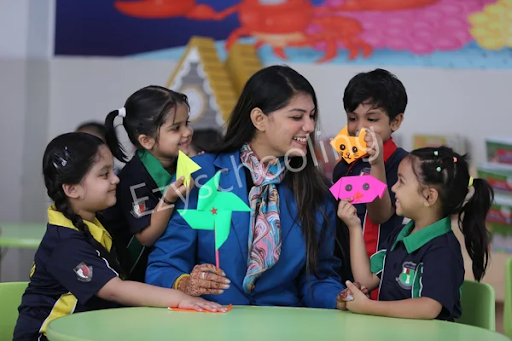
The application of School Cinema at ASPAM Scottish School, one of the good CBSE schools in Noida, follows an intentional and effective process that goes past mere watching. Students from the Primary Level upwards watch age-appropriate short films that address specific life skills and moral values tailored to their developmental stage. These films are not random; they are carefully selected to highlight universal values such as care, compassion, patriotism, truth, integrity, and honesty.
After watching the film, students engage in thought-provoking activities and discussions that help them process what they have seen. This method aligns perfectly with the school's mission to develop responsible global citizens who are capable of thinking deeply about their place in the world.
Connecting Films to Real-Life Reflection
ASPAM Scottish School enhances the impact of these films by linking them to other unique initiatives like their Reflective Corners. The insights students gain from the films are not left in the classroom; they are encouraged to carry these thoughts into their personal moments of introspection.
The school believes that the reflections derived from this world-class children's cinema help lay a solid foundation based on a globally acceptable value system. By combining the external stimulus of the films with the internal practice of reflection, the school ensures that the values are deeply internalized. This holistic approach ensures that students do not just learn about values, they live them, becoming champions of their own success and well-being.
Conclusion
The transition from rote learning to feeling-based learning is important for the emotional and moral development of the next generation. Film-based learning modules provide the necessary bridge between abstract moral concepts and the real-world application of those values. Such visual modules capture attention, stimulate empathy, and provide a safe language for students to explore complex modern issues without fear.
ASPAM Scottish School is a prime example of how educational institutions can successfully harness this medium to build character and integrity. By embedding the School Cinema initiative into their daily curriculum, they are proving that the most effective way to teach a child to be good is to show them the beauty of goodness in action.
To learn more about this and other schools nearby, see this list of the top schools in Noida.
 as a preferred source on