









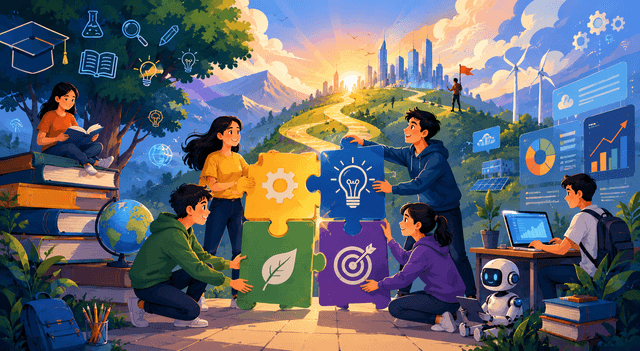
The classroom of today looks nothing like it did a decade ago. Students aren't just memorising facts anymore—they're collaborating across continents, solving real-world problems, and developing skills that textbooks alone cannot teach. This shift reflects a broader transformation in education: the move toward creating global citizens who can thrive in an interconnected world.
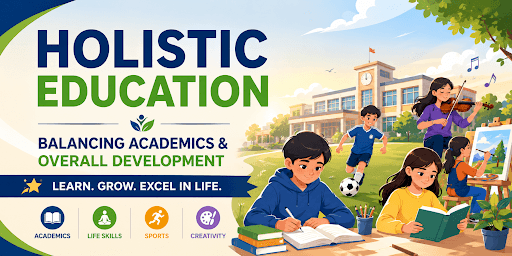
At the heart of this transformation lies holistic education, a philosophy that recognises every child's unique potential. One of the best schools in Gurgaon, KIIT World School, Sohna Road, Gurgaon, stands as a testament to this approach, seamlessly blending academic rigour with comprehensive development. In this article, we'll explore what it truly means to nurture global citizens, how modern infrastructure shapes learning experiences, and the role of progressive policies in reimagining Indian education.
Also Read | From Concept to Creation
Understanding Global Citizenship in Modern Education
Education today extends far beyond national borders and standardised test scores. The concept of global citizenship has emerged as a cornerstone of contemporary learning, emphasising values, competencies, and perspectives that prepare young minds for an increasingly connected world.
What Defines a Global Citizen?
A global citizen isn't determined by passport or geography. Instead, it's someone who understands their role in the larger world—thinking critically, acting compassionately, and engaging meaningfully with diverse cultures. These individuals possess cultural awareness, environmental consciousness, and the ability to navigate complex global challenges while recognising that local actions can have worldwide implications.
Moving Beyond Rote Memorisation
Traditional education often prioritised memorisation over understanding. Modern educational frameworks challenge this model by encouraging experiential learning, critical thinking, and creativity. Students now engage with concepts through projects, discussions, and real-world applications rather than passive absorption. This shift recognises that intelligence manifests differently across individuals—some excel through visual learning, others through hands-on experiences.
The Indian Context: NEP 2020's Vision
India's National Education Policy 2020 represents a significant departure from conventional methods. It emphasises multidisciplinary learning, flexibility in subject choices, and integration of vocational training from early years. By promoting mother tongue instruction alongside global languages, NEP 2020 bridges cultural roots with international aspirations, creating well-rounded individuals rooted in their heritage yet prepared for global opportunities.
Infrastructure as a Catalyst for Comprehensive Development

Physical learning environments significantly influence educational outcomes. The spaces where students spend their formative years shape not just academic achievement but also creativity, collaboration, and overall well-being.
Smart Classrooms: Technology Meets Pedagogy
Smart classrooms equipped with interactive displays, digital resources, and multimedia tools transform passive listening into active engagement. Climate-controlled environments ensure comfort throughout the year, eliminating weather-related disruptions. With optimal class sizes around 30 students, teachers provide personalised attention while fostering collaborative learning dynamics that prepare students for technology-driven futures.
Specialised Laboratories: Where Theory Becomes Practice
Science education thrives when students can experiment and observe. Composite science labs for younger students introduce fundamental concepts through safe exploration. As students advance, dedicated Physics, Chemistry, and Biology laboratories with individual workstations enable deeper investigation. Computer labs and language labs enhance technical and communication skills, transforming abstract concepts into tangible understanding.
Sports Facilities: Building Character Beyond Academics
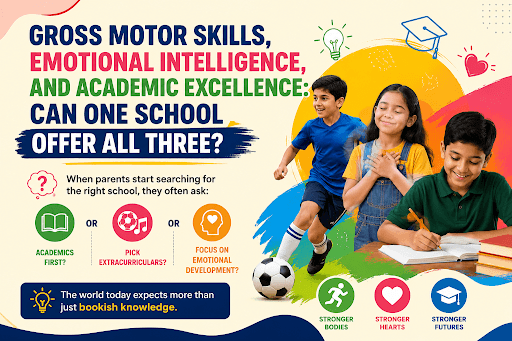
Athletic development contributes significantly to leadership, discipline, and resilience. Olympic-standard facilities like shooting ranges and athletics tracks expose students to professional-grade training. Indoor arenas enable year-round practice in activities like table tennis, badminton, and martial arts. Outdoor spaces featuring astro turf fields and rubberised courts accommodate diverse sporting interests, ensuring every child finds their passion.
Creative Studios: Nurturing Artistic Expression
Dedicated spaces for art, music, dance, and theatre recognise that creativity isn't supplementary but essential to holistic development. These studios provide professional-grade equipment, allowing students to explore their artistic talents seriously. Whether through traditional Indian dance forms, contemporary music, or theatrical performances, these spaces validate creative pursuits as legitimate pathways to excellence.
The Role of International Exposure

Global citizenship education extends beyond the curriculum—it requires authentic interactions with diverse cultures. Schools that facilitate international partnerships create invaluable opportunities for students to develop cross-cultural competencies through virtual exchange programs and collaborative projects.
International exposure develops practical skills such as foreign language proficiency, adaptability, and an appreciation for cultural nuances. Students learn that there are multiple approaches to solving problems and that diversity strengthens communities. This mindset becomes invaluable whether they pursue opportunities abroad or contribute to India's growing position on the world stage.
Check Out | Global Exposure in Education
KIIT World School, Gurgaon: Innovation Meets Holistic Excellence
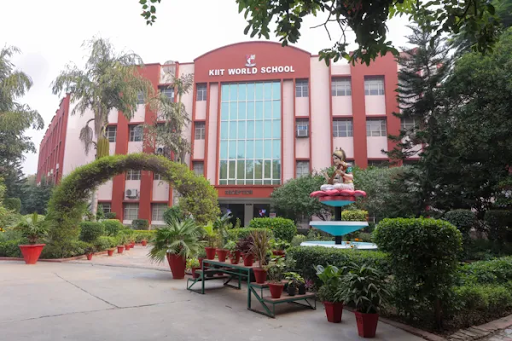
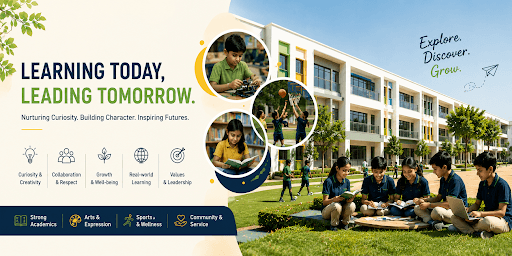
Established on Sohna Road in Gurgaon, KIIT World School (KWS) operates under CBSE affiliation with a clear philosophy: "All students can learn and achieve, yet not always in the same way or on the same day." This belief shapes every aspect of the institution, from curriculum design to infrastructure development.
The school's 30-student classroom capacity ensures personalised attention with interactive smart boards and eco-friendly design. Academic infrastructure includes composite science labs for middle school and advanced Biology, Physics, and Chemistry laboratories for senior students. The library houses carefully curated books, educational magazines, and digital collections with e-books and audiobooks.
The sports complex showcases a genuine commitment to athletic development with an Olympic-standard shooting range, a 200-meter athletics track, and a top-tier astro turf field. KIIT has hosted the prestigious Subroto Cup, welcoming teams from five countries. SAI-certified coaches guide students who have achieved victories at district and national levels, creating a legacy of sporting excellence alongside academic achievement.
Creative development receives equal emphasis through dedicated studios—Kala Raksha Dance Studio, Srijan Art Studio, Theatre & Drama Studio, and Music Studio. These technology-enabled environments validate creative pursuits as essential components of education. The school's partnership with MAX Healthcare ensures comprehensive health support through full-time nursing stations and regular health checkups.
One of the best schools in Sohna Road, Gurgaon, KIIT's innovative curriculum aligns with the National Education Policy 2020, delivering transformational learning through flexible, dynamic approaches. The school maintains partnerships across six-plus countries, exposing students to international perspectives and preparing them as confident, connected Indian global citizens.
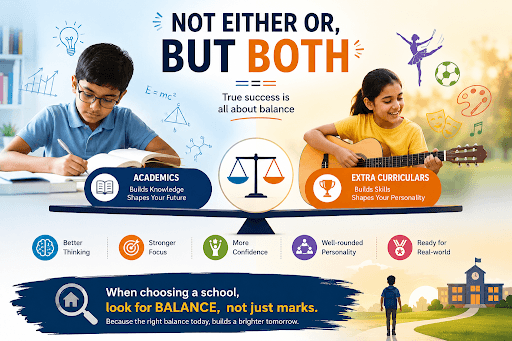
The institution consistently demonstrates excellence in CBSE results while maintaining its holistic development model. Students gain enhanced academic acumen alongside crucial life skills—communication, confidence, resilience, and relationship management.
Four principles guide KIIT's educational approach: Flexible, Innovative, Dynamic, and Resilient. This ethos manifests in personalised learning approaches, technology-integrated lessons, and emphasis on psychological, social, and emotional well-being. The eco-friendly campus incorporates rainwater harvesting systems and green spaces, teaching environmental responsibility through daily example.
From every corner designed for innovation to facilities that open doors to discovery, KIIT World School creates an environment where individual talents flourish. The institution recognises that today's students will inherit complex global challenges requiring both cultural groundedness and international awareness—precisely the combination KIIT cultivates.
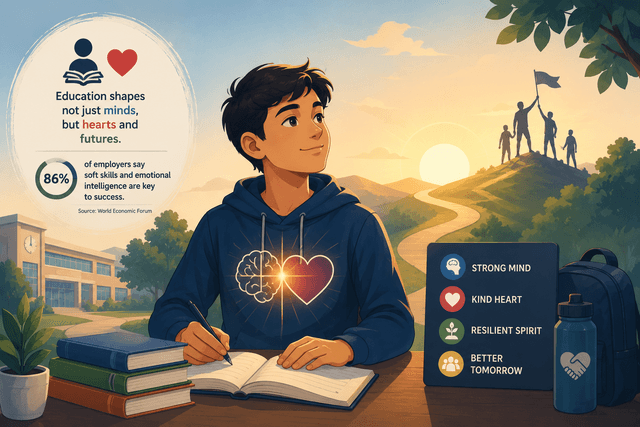
Education shapes not just individual futures but society's trajectory. Schools that embrace holistic development, international perspectives, and innovative infrastructure prepare students for meaningful contributions to an interconnected world. For parents seeking an environment where their child's unique potential receives recognition and nurturing, exploring institutions like KIIT World School becomes essential to transforming possibilities into achievements.
For more information on this and other such schools in the area, check out this list of the best schools in Gurgaon.
 as a preferred source on