







In a world where borders are becoming less important and working together goes beyond geography, education can't just happen in classrooms and books anymore. Students today need more than just book smarts. They also need to be aware of many cultures, have a strong moral compass, and be able to deal with different points of view. The idea of being a global citizen has gone from being an abstract ideal to something that is necessary for education.
Schools across India are recognising this shift, but few are embedding it as deeply as One of the best schools in Gurugram, ODM International School, Gurgaon. Through virtual global classrooms, worldwide connections, and hands-on learning experiences, this school gets students ready for jobs and for being engaged members of a connected world. In this piece, we talk about what it really means to develop global citizens and how schools that are ahead of the curve are doing it.
Also Read | The Key to Success
Why Global Citizenship Matters in Modern Education
The world our kids will live in will be considerably different from the one we grew up in. There are jobs all over the world, problems all over the world, and individuals from different cultures need to work together to discover solutions. This is the way things are now, and education needs to evolve to meet it.
The Shift from Local to Global Mindsets
In the past, success meant achieving well in your own field, like getting into a reputable college, getting a steady job, and building a life within established limitations. But globalisation has transformed what it means to be successful. Students today work with and against people from all over the world. They operate in teams that are spread out over multiple time zones and deal with challenges that don't care about borders, such climate change, technological ethics, and economic inequality.
Being open-minded about the world doesn't imply forgetting where you come from. It's about keeping true to your beliefs while still expanding your horizons. It's the ability to appreciate differences, think critically about problems around the world, and come up with answers that work for everyone.
Core Competencies of Global Citizens
To be a global citizen, you need a unique set of skills that you can't obtain through rote learning. These are:
- Cross-cultural communication means being able to see things from other people's points of view, cultures, and ways of thinking.
- When you make ethical decisions, you consider how what you do will influence others in other places.
- Being adaptable means being able to do well in new settings and being open to change.
- Critical thinking includes not only accepting one tale about a global issue, but also looking at it from many different angles.
- Being socially responsible is knowing what you can do to make the world a better place for everyone.
Schools that teach these skills are developing people who want to make a difference, as well as achievers.
Building Bridges: International Collaborations and Partnerships
You can't learn how to be a global citizen on your own. It gets bigger by meeting new people, sharing, and trying new things. More and more schools are working with other organisations to give pupils real-world experiences around the world.
The Role of Institutional Partnerships
Schools that work with international groups like the United Nations or with schools in other countries give students access to resources, knowledge, and points of view that textbooks can't. These connections help students work on global initiatives, learn about how the world works, and solve real-world challenges.
For instance, activities that are linked to the UN have kids think about goals for peacekeeping, human rights, and sustainable development. These are all things that change how they see the world and what they think they should do.
Cultural Exchange Programs
Standing on foreign soil and talking to local students is the best approach to learn about a different way of life. Going to places like Malaysia, Thailand, or Europe for immersion programs is a rapid way for students to learn about cultural intelligence. They learn how to deal with language barriers, get adjusted to new social rules, and appreciate the beauty of diversity.
These exchanges are not vacations. They're like learning labs where students come back changed—they're more open-minded, more inquisitive, and more confident in their ability to connect with others who are different from them.
Virtual Global Classrooms: Breaking Geographic Barriers
Not every student can go abroad, but that doesn't mean they can't learn about the world. Ten years ago, it would have been inconceivable to believe that technology could make education available to people all over the world.
Technology as a Bridge
Virtual global classrooms use video calls, collaborative platforms, and digital technology to let students from different countries talk to each other in real time. Imagine a student in Gurgaon working with peers in London, Tokyo, and Nairobi on a project about sustainability, all from their school desk.
These sessions aren't just fast introductions. Students talk about problems in the world, what they know about other cultures, collaborate on projects together, and make friends with people from all over the world. What happened? A learning experience that is always changing, different, and very useful.
Benefits Beyond Borders
Virtual collaboration solves concerns with money and planning. Students who may never fly on an aircraft can nonetheless see things from other countries' points of view. They learn how to be good digital citizens, how to utilise technology to talk to people from other cultures, and how to work together from a distance in places where this is common.
This idea also lets people talk to each other every day instead of just once. Students begin to see themselves as members of a global community, their relationships become stronger, and they learn more.
Expert-Led Workshops and Guest Speaker Series
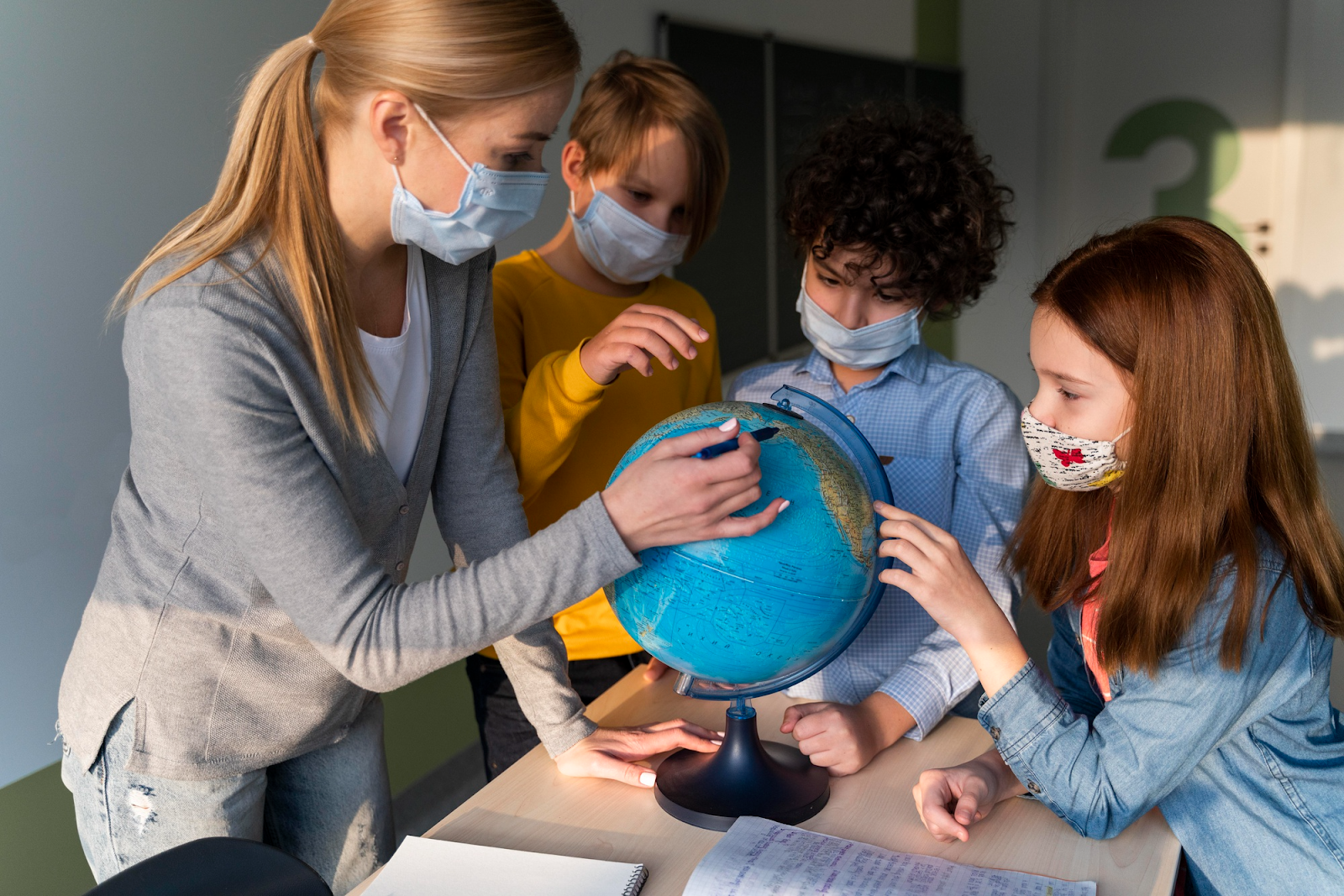
We are often inspired by people who have been there before us. Students' ambitions develop when they hear from people like entrepreneurs, scientists, artists, and activists who have made a difference in the world.
Learning from Global Leaders
Students at schools that have expert speakers get to hear success stories from real life. These speeches aren't boring; they're about failure, resilience, fresh ideas, and finding your purpose. A robotics engineer talks about how people from different cultures might come up with new ideas when they work together. A social entrepreneur talks about how movements that start in one place may have an impact all across the world.
These interactions do more than just teach. They help people feel stronger, more sure of themselves, and more sure of what they can do.
LEAP Approach in Action
The LEAP principle, which stands for Learn, Engage, Aspire, and Prosper, is what these seminars are all about. Students don't just sit there and listen; they ask questions, argue with each other, and think about their own pathways. Over time, this exposure changes their goals and helps them figure out how to attain them in a way that works for them.
Model United Nations: Diplomacy in Action
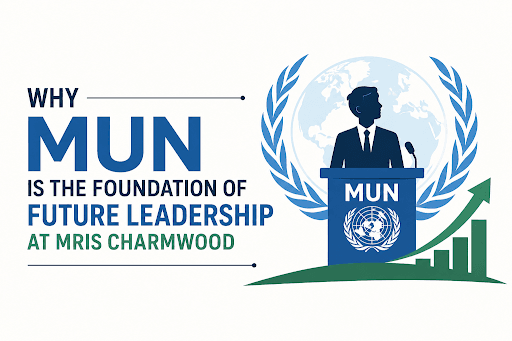
Few programs cultivate global citizenship as effectively as the Model United Nations. It's where students step into the shoes of diplomats, representing countries and debating solutions to pressing global issues.
Simulating Real-World Governance
For MUN conferences, you need to perform a lot of research. Students study international law, human rights, the economy, and how countries interact with each other. They learn how to make strong arguments, discover common ground, and build coalitions. These are all vital abilities for being a leader in any field.
Model UN teaches more than just how to make a point. It also teaches how to care about others. When you speak for a country that doesn't share your ideals, you have to think about things you might not have thought about before. In a world that is divided, being able to think in different ways is quite beneficial.
From Classroom to Conference Halls
Students who go to national and worldwide MUN conferences are put in high-stakes scenarios where their opinions are essential. They build confidence, help students think critically, and teach them how to be diplomatic, which will help them in any sector they choose, whether it's government, business, non-profits, or academics.
Check Out | The Role of Clubs in Student Growth
ODM International School, Gurgaon: Pioneering Virtual Global Classrooms
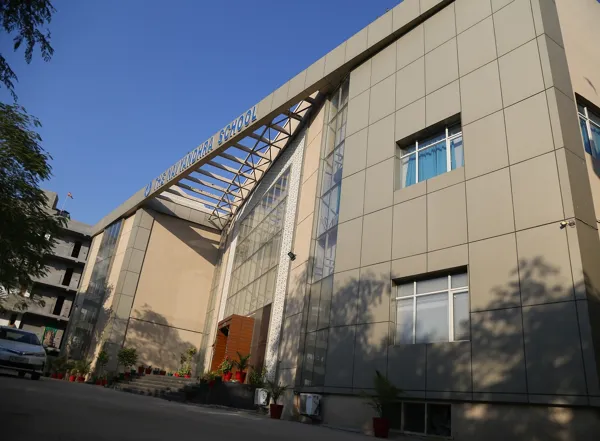
ODM International School, located in Sector 49, Gurgaon, is a CBSE-affiliated institution that exemplifies what modern global education looks like. Part of the esteemed ODM Educational Group—established in 1989 and recognised as India's 5th-ranked CBSE School—it brings over three decades of academic excellence to Gurugram. One of the best CBSE schools in Gurugram, ODM holds the distinction of being a UN Nodal School, which means students engage directly with United Nations initiatives and frameworks. The school's virtual global classrooms connect learners with peers across continents, fostering dialogue, collaboration, and cross-cultural understanding without requiring passports.
Students can learn about various cultures by travelling on international immersion excursions to destinations like Malaysia, Thailand, and others. At the same time, huge events like the ODM Model United Nations and Youth Parliament give teenagers a chance to work on their public speaking, diplomacy, and leadership skills. The CPX 360° Learning Model is the most important part of ODM's method. It is a new approach to teaching that focuses on building character, recognising potential, and getting pupils ready to do great things. This isn't memorising. Education helps people learn how to think critically, understand their own feelings, and be a moral leader.
There are a lot of activities in the school's co-academic agenda, such as SCICON (Science Fest), SO-SCIETY (Social Science Conclave), LIT-O-FEST (Literature Fest), and SPECTRA (Cultural Fest). Students obtain top-notch instruction in artistic fields because of connections with locations like the Shankar Mahadevan Music Academy and the Shiamak Davar Dance Academy. The LEAP Series—Learn, Engage, Aspire, Prosper—brings celebrities to school. Students hear directly from accomplished people in many industries, which gives them insights that books can't. Throughout these seminars, students are told to think bigger, do better, and act with purpose.
If you want your child to go beyond school and into a world full of possibilities, ODM International School is the perfect location for them to start. It prepares kids for more than just tests; it prepares them for living in a world that is linked. It does this by focusing on global citizenship, learning through experience, and overall growth. Find out how ODM is training the next generation of leaders.
For more information on this and other similar schools in the area, check out this list of the best schools in Gurugram.

 as a preferred source on