






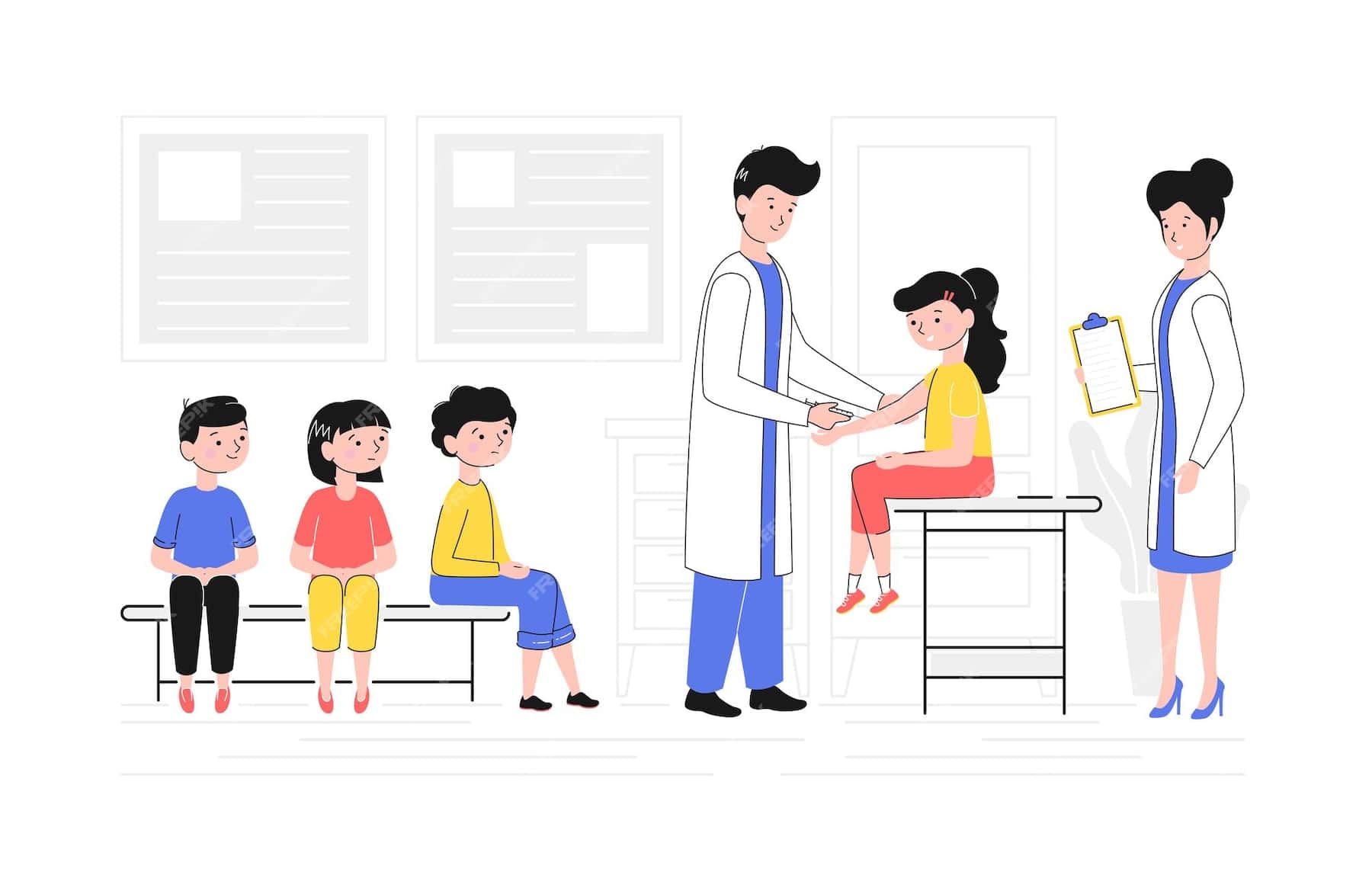

The decision to send a child to boarding school is significant, with healthcare being a primary concern for parents. When children live away from home, their physical and emotional well-being becomes the institution's responsibility.
Modern boarding schools have evolved to create robust healthcare systems that ensure students receive comprehensive medical attention while fostering their emotional development. Schools like The TonsBridge School, one of the best schools in Dehradun, have been instrumental in ensuring a strong healthcare network for students on campus.
In this article, we explore the critical components of healthcare systems in boarding schools, examining how these institutions manage both the physical and emotional well-being of students living away from home. We will also take a close look at how The TonsBridge School implements round-the-clock assistance and medical aid for their students.
Also Read | Why School Clubs Are Essential for Today's Students: TonsBridge School Might Have the Answer
Understanding the Healthcare Needs of Boarding Students
Living in a communal environment presents unique healthcare challenges. Students share living spaces, dining halls, and recreational areas, making them more susceptible to common illnesses. Additionally, the academic pressure, coupled with being away from family, requires special attention to both physical and mental health needs.
Regular access to healthcare facilities becomes crucial in such settings. From managing chronic conditions to addressing sudden illnesses, boarding schools must maintain fully equipped medical centres. These facilities need to handle everything from routine check-ups to emergencies, ensuring that students receive timely medical attention.
Components of an Effective School Healthcare System
Let us take at the important components of an effective school healthcare system:
- Round-the-clock Availability: A well-structured healthcare system in boarding schools operates around the clock. Medical professionals, including qualified nurses and general physicians, form the core of this system. Their constant presence ensures that students can access medical help whenever needed, providing parents peace of mind about their child's health.
- Adequate Medical Infrastructure: The infrastructure must support various medical needs. This includes dedicated spaces for regular consultations, provisions for students requiring isolation during infectious illnesses, and recovery areas for post-treatment care. Schools also need reliable emergency transport services to handle situations requiring advanced medical care.
- Health Awareness & Preventive Care: An effective school healthcare system should focus on preventive measures alongside treatment. Regular health check-ups, vaccination drives, hygiene workshops, and mental health counselling help students maintain overall well-being. Educating students about nutrition, fitness, and mental health fosters long-term healthy habits.
Emotional and Mental Health: The Often Overlooked Aspects
The emotional well-being of boarding school students deserves equal attention to their physical health. The transition to boarding school life, academic pressures, and separation from family can impact students' mental health significantly. Schools must create an environment where students feel emotionally secure and supported.
Let us take a look at the key components of emotional well-being in boarding schools:
- Access to Professional Counsellors: Trained counsellors help students navigate homesickness, academic stress, and personal challenges. Regular counselling sessions and workshops equip students with coping skills and emotional resilience.
- Building Strong Peer Support Systems: Encouraging positive peer relationships helps students feel connected and supported. Schools should promote mentorship programs, group discussions, and collaborative activities to strengthen friendships.
- Stress Management Programs: Schools should integrate mindfulness, relaxation techniques, and time management strategies into their curriculum to help students handle pressure effectively.
- Safe Spaces for Emotional Expression: Creating designated areas where students can share their feelings freely, such as student-led support groups or wellness centres, fosters emotional well-being.
- Fostering Positive Student-Teacher Relationships: Strong connections with faculty members ensure that students feel valued and comfortable seeking guidance when needed.
- Effective Anti-Bullying Measures: Schools must implement strict anti-bullying policies and awareness programs to maintain a safe and nurturing environment for all students.
Preventive Healthcare in Residential Schools

Prevention plays a crucial role in maintaining student health. Regular health check-ups help identify potential issues before they become serious concerns. These assessments should cover various aspects of student health:
- Physical examinations
- Dental check-ups
- Vision and hearing tests
- Growth monitoring
- Nutritional assessment
Maintaining high standards of hygiene in all school areas, from dormitories to dining halls, is essential. Regular sanitization, proper waste management, and maintaining clean air quality contribute significantly to preventing illness spread in residential settings.
The Role of Medical Documentation and Communication
A well-organized healthcare system in boarding schools depends on efficient documentation and communication. Maintaining accurate health records ensures that students receive timely and appropriate medical care while keeping parents informed and involved in their child's well-being.
Let us take a look at the key components of healthcare documentation in boarding schools:
- Comprehensive Health Records: Schools must maintain detailed medical histories for each student, including past illnesses, vaccinations, allergies, and ongoing health conditions.
- Medication and Treatment Logs: Every medication requirement and treatment administered should be carefully documented to track students' health progress and ensure proper care.
- Emergency Contact Information: Schools must have readily accessible and regularly updated emergency contact details to respond swiftly in urgent situations.
- Clear Communication Channels: Effective coordination between the school’s medical team and parents is essential. Regular updates on students’ health conditions help build trust and transparency.
- Parental Involvement in Healthcare Decisions: Schools should establish a system for informing parents about their children’s medical needs and involve them in significant healthcare decisions when necessary.
Check Out | The Connection Between Health Awareness and Holistic Education
The TonsBridge School: Setting Healthcare Standards in Boarding Education
Established in 2013, The TonsBridge School (TBS) in Dehradun has emerged as an institution that prioritizes student health and wellbeing. One of the best CBSE boarding schools in Dehradun, this co-educational boarding school accommodates students from classes 3 to 12, maintaining a healthy student-teacher ratio of 30:1 across its 13,250 square meter campus.

TBS's collaboration with the Graphic Era Institute of Medical Sciences establishes a strong foundation for student healthcare. The school's medical centre is comprehensively equipped with isolation wards, recovery lounges, and general wards, ensuring complete medical care for its 519 students. Round-the-clock availability of nurses and GDAs (General Duty Assistants) ensures immediate medical attention when needed.
The school's healthcare approach extends beyond basic medical services. Regular eye, ENT, dental, and skin check-ups are conducted periodically. Annual cardiac screenings and quarterly comprehensive health assessments ensure proactive health monitoring. For emergencies, the school maintains a well-equipped ambulance for swift transportation to the Graphic Era Institute of Medical Sciences.
TBS's commitment to emotional well-being sets it apart. The school focuses on developing crucial life skills like resilience, responsibility, compassion, mindfulness, and gratitude. Their zero-tolerance policy towards bullying, combined with programs promoting self-care and stress reduction, creates an environment where students can thrive emotionally and academically.
For more information on this and other similar schools, check out this list of the best boarding schools in India.
 as a preferred source on