







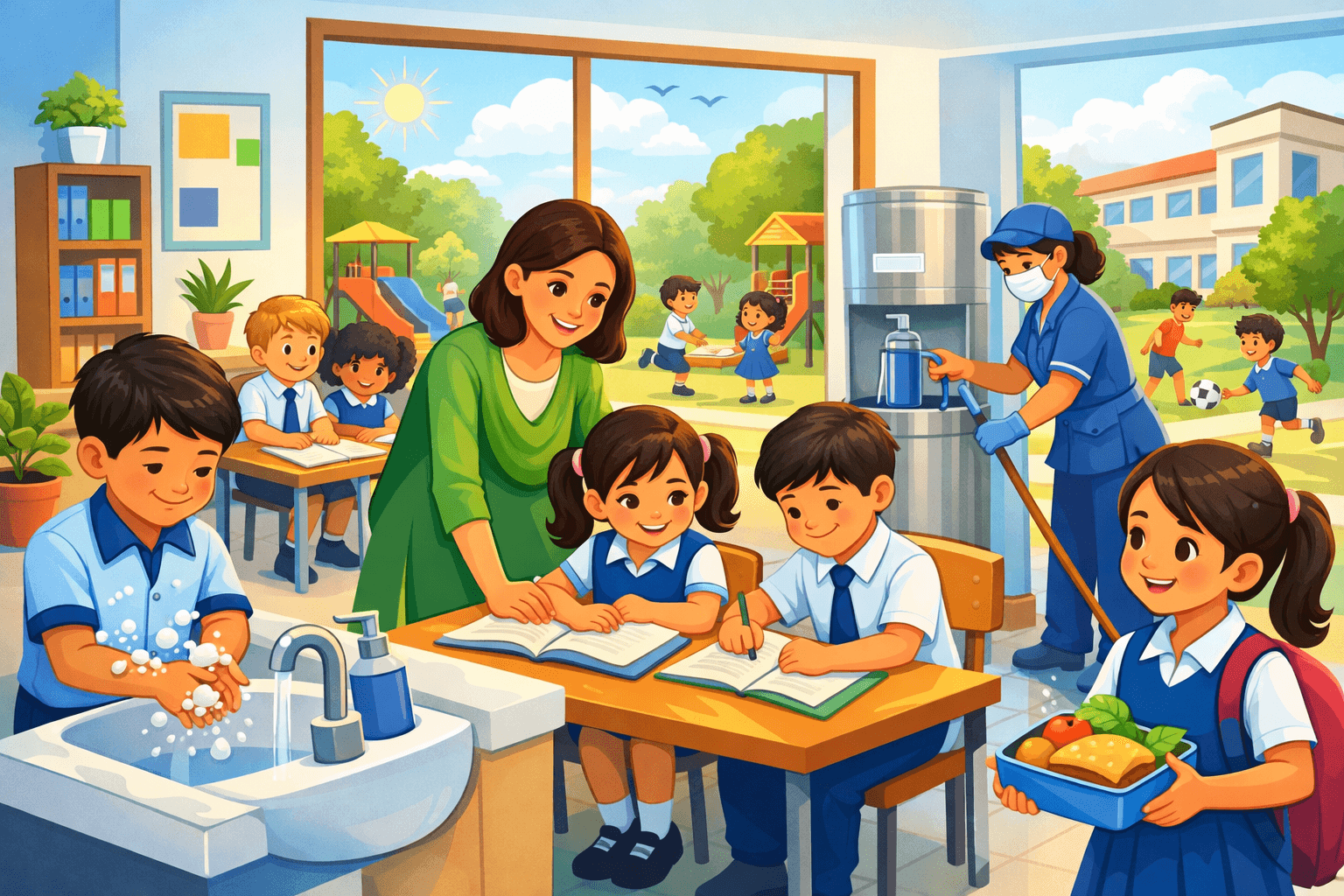

Have you ever noticed how children learn better when they feel safe, comfortable, and cared for? A clean classroom, fresh drinking water, and hygienic surroundings may seem like small details, but they play a powerful role in shaping a student’s everyday school experience. Health and hygiene are not just support systems; they are the foundation of effective learning.
Parents today understand that academic excellence alone is not enough. A school must also provide an environment where students can grow without health-related concerns, distractions, or discomfort. When hygiene and wellness are built into daily routines, schools help children stay focused, confident, and ready to learn.
This article explores why health and hygiene are essential components of quality education, how structured cleanliness and wellness practices create safer learning spaces, and how Sapphire International School takes pride in fostering a clean, safe, and health-conscious environment that supports student well-being alongside academic growth.
Also Read | Cultivating Compassion and Responsibility Through CSR Initiatives at Ramagya School
Why Health and Hygiene Matter in School Education
Health and hygiene form the backbone of a safe and effective learning environment. When students spend long hours at school, the cleanliness of their surroundings directly affects their physical comfort, emotional well-being, and ability to concentrate. A hygienic school environment ensures that learning happens in spaces that are not only academically stimulating but also physically safe.
Strong health and hygiene practices in schools help in multiple ways:
- Create a safe learning atmosphere: Clean classrooms, sanitized washrooms, and well-maintained common areas reduce the risk of infections and illnesses, allowing students to attend school regularly and learn without health-related disruptions.
- Support student comfort and confidence: When children feel clean, fresh, and secure in their surroundings, they are more relaxed and confident. This comfort positively impacts classroom participation and overall engagement.
- Reduce absenteeism: Poor hygiene often leads to the spread of illness, resulting in frequent absences. Maintaining high hygiene standards helps keep students healthy and present, supporting consistent academic progress.
- Encourage responsible habits: Exposure to structured hygiene practices at school teaches students the importance of cleanliness, discipline, and self-care—habits they carry forward into daily life beyond school.
By prioritizing health and hygiene, schools create environments where students are free to focus on learning, growth, and exploration, knowing their well-being is protected at every step.
Key Areas Where Hygiene Practices Make a Difference in Schools
A school’s commitment to health and hygiene is reflected not just in policies, but in how cleanliness is maintained across every space students use daily. From classrooms to transport, consistent hygiene practices help create an environment that feels safe, organized, and welcoming.
Key areas where hygiene plays a crucial role include:
- Classrooms and learning spaces: Regular cleaning of desks, floors, teaching aids, and frequently touched surfaces helps minimize the spread of germs. Clean classrooms also create a more focused and comfortable atmosphere for learning.
- Washrooms and sanitation facilities: Well-maintained washrooms with proper ventilation, regular sanitation, and adequate supplies such as soap and handwash are essential for student health and dignity.
- Play areas and sports facilities: Clean playgrounds and sports equipment ensure that physical activity remains safe and enjoyable, reducing the risk of infections or injuries caused by unhygienic conditions.
- School transport and common areas: Buses, corridors, staircases, and assembly spaces see constant movement throughout the day. Routine cleaning and monitoring of these areas help maintain hygiene beyond classrooms.
- Access to clean drinking water: Safe, filtered drinking water is fundamental to student health. Proper maintenance of water stations ensures hydration without health risks.
When hygiene is addressed across all these areas, schools create a seamless environment of care, one where students feel protected, comfortable, and ready to engage fully in their learning journey.
Structured Health and Hygiene Practices in Schools
Maintaining hygiene in a school environment requires more than occasional cleaning, it depends on consistent, well-planned practices that are followed every day. Structured health and hygiene systems ensure that cleanliness is proactive, not reactive, and that student well-being is safeguarded at all times.
Effective school hygiene frameworks typically include:
- Regular sanitation routines: Scheduled cleaning and disinfection of classrooms, washrooms, common areas, and frequently touched surfaces help prevent the spread of germs and infections. Consistency ensures hygiene standards remain high throughout the year.
- Health monitoring and checks: Periodic health screenings, temperature checks, and medical supervision help identify concerns early and support timely intervention, keeping the school community safe and informed.
- Access to hygiene essentials: Availability of handwash, sanitizers, clean washroom facilities, and safe drinking water encourages students to practice hygiene independently and responsibly.
- Hygiene awareness and education: Schools reinforce healthy habits through classroom discussions, visual reminders, and activities that teach students the importance of personal cleanliness, hand hygiene, and overall self-care.
- Preparedness and safety protocols: Clear procedures for illness management, emergency response, and cleanliness during special situations ensure that hygiene remains uncompromised even during challenging times.
By implementing structured hygiene practices, schools create a dependable system that protects student health, minimizes disruptions, and fosters a culture of care and responsibility.
Check Out | From Hills to Hearts: The Village Immersion Program
Sapphire International School: Creating a Culture of Health and Hygiene
Sapphire International School takes pride in fostering a clean, safe, and health-conscious environment where student well-being is given the same importance as academic excellence. The school firmly believes that a hygienic learning space is essential for nurturing confident, healthy, and focused learners.

Health and hygiene at Sapphire International School are not treated as isolated initiatives but are embedded into everyday school life. From classrooms to common areas, structured systems ensure that students learn and grow in an environment that prioritizes safety, comfort, and care.
Key Highlights of Health & Hygiene Practices at Sapphire International School
- Well-maintained classrooms and common spaces with regular sanitation routines that ensure a clean and comfortable learning atmosphere throughout the day.
- Hygienic washrooms and sanitation facilities are monitored consistently to maintain cleanliness, proper ventilation, and access to essential hygiene supplies.
- Safe drinking water systems that provide students with clean, filtered water, supporting hydration and overall health.
- Clean and monitored transport facilities, ensuring that school buses and shared spaces remain hygienic and safe for daily travel.
- Health awareness and personal hygiene education, encouraging students to adopt habits such as hand hygiene, cleanliness, and self-care as part of their daily routine.
By maintaining high standards of cleanliness and health awareness, Sapphire International School creates an environment where students can attend school regularly, remain engaged in learning, and build habits that support long-term well-being.
Through its commitment to hygiene, safety, and student care, Sapphire International School demonstrates that a healthy school environment is not just about cleanliness, it is about enabling students to thrive academically, physically, and emotionally.
For more information on this and other such schools in the area, check out this list of the best schools in Ghaziabad.








 as a preferred source on