







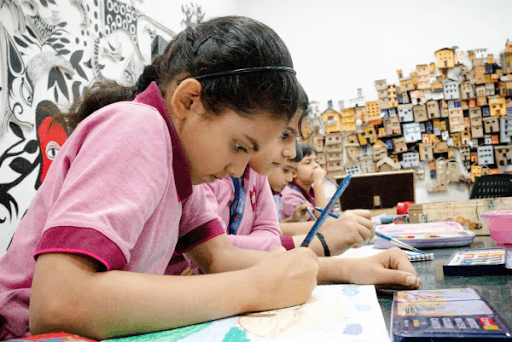

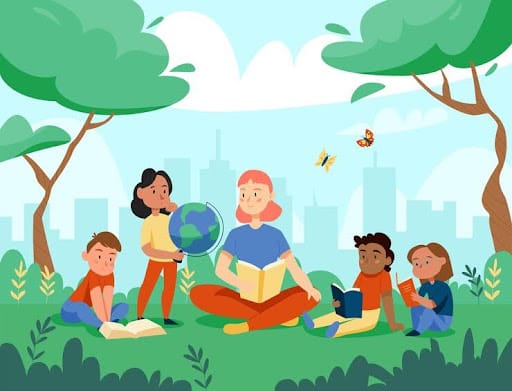
Education today extends far beyond textbooks and examination scores. Personal, Social, Health and Economic Education (PSHE) has emerged as a vital component of modern schooling, equipping students with essential life skills that prepare them for real-world challenges. This holistic approach focuses on developing well-rounded individuals who can navigate personal relationships, maintain physical and mental well-being, and make informed economic decisions. Manav Rachna International School (MRIS), Sector 46, Gurgaon, integrates PSHE into its primary curriculum, ensuring students receive comprehensive development alongside academic excellence. In this article, we explore the core components of PSHE, its implementation in educational settings, and how it shapes future-ready learners.
Also Read | What a 2026 Classroom Looks Like
Understanding PSHE in Contemporary Education
PSHE represents a structured approach to developing essential life competencies that students need beyond academic knowledge. It encompasses personal growth, social interaction skills, health awareness, and financial literacy—creating a foundation for responsible citizenship and informed decision-making.
Traditional education systems primarily focused on intellectual development through subjects like mathematics, science, and languages. However, the evolving demands of the 21st century require individuals who possess emotional intelligence, critical thinking abilities, and practical life skills. PSHE bridges this gap by addressing areas that conventional subjects often overlook.
The framework encourages students to understand themselves better, build meaningful relationships, maintain healthy lifestyles, and develop economic awareness. This comprehensive approach ensures that young learners grow into confident, compassionate, and capable individuals who contribute positively to society.
Core Components of PSHE
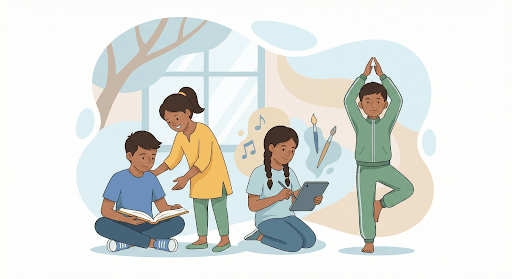
PSHE education is built on four interconnected pillars that collectively nurture holistic development. Each component addresses specific aspects of a student's growth, ensuring they develop skills necessary for personal success and societal contribution.
Personal Development and Self-Awareness
Understanding one's identity, emotions, and capabilities forms the foundation of personal development. Students learn to recognize their strengths, acknowledge areas for improvement, and set realistic goals for themselves.
Self-awareness activities encourage children to reflect on their feelings, understand what triggers certain emotions, and develop healthy coping mechanisms. Mindfulness practices, journaling exercises, and guided reflection sessions help students build emotional regulation skills that serve them throughout life.
Building resilience becomes equally important as students face challenges both within and outside school environments. PSHE programs teach children that setbacks are learning opportunities, fostering a growth mindset that encourages perseverance and adaptability.
Social Skills and Relationship Building
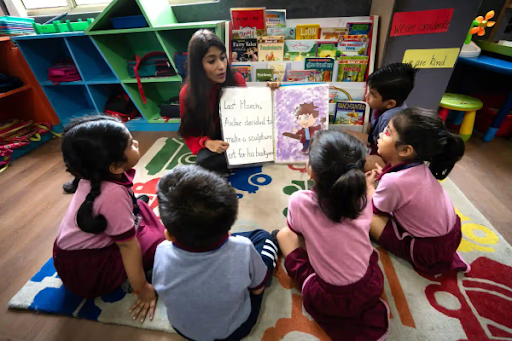
Human beings are inherently social, and the ability to communicate effectively determines success in personal and professional spheres. PSHE focuses on developing empathy, active listening, and respectful communication—skills that strengthen interpersonal relationships.
Collaboration and teamwork activities teach students to value diverse perspectives, work toward common goals, and resolve conflicts constructively. These experiences prepare them for future workplaces where cooperation and mutual respect are essential.
- Conflict Resolution: Students learn negotiation techniques and peaceful problem-solving strategies
- Diversity and Inclusion: Understanding and respecting cultural, religious, and individual differences
- Citizenship Values: Developing a sense of responsibility toward community and society
- Peer Relationships: Building healthy friendships based on trust and mutual support
Anti-bullying initiatives and positive behaviour management programs create safe environments where every student feels valued and protected. These measures ensure that schools become nurturing spaces conducive to learning and growth.
Health Education and Well-Being
Physical and mental health education equips students with knowledge to make informed choices about their well-being. Age-appropriate lessons on nutrition, exercise, hygiene, and disease prevention establish habits that last a lifetime.
Mental health awareness has gained prominence as educators recognise its impact on academic performance and overall happiness. Students learn stress management techniques, understand the importance of seeking help when needed, and develop strategies to maintain emotional balance.
Digital well-being has become crucial in an era dominated by technology. PSHE programs address screen time management, online safety, responsible social media use, and recognising digital addiction—preparing students for a connected world while safeguarding their health.
Economic Education and Financial Literacy
Financial literacy empowers young people to understand money management, make smart purchasing decisions, and plan for their futures. Early exposure to economic concepts builds confidence in handling financial responsibilities as they mature.
Students learn the difference between needs and wants, understand the value of saving, and explore basic budgeting principles. These practical skills prevent financial mismanagement and promote responsible consumer behaviour.
Entrepreneurship awareness introduces students to business concepts, encouraging innovative thinking and problem-solving. Career planning discussions help them understand various professional pathways, aligning their interests and talents with future opportunities.
PSHE Implementation in Schools
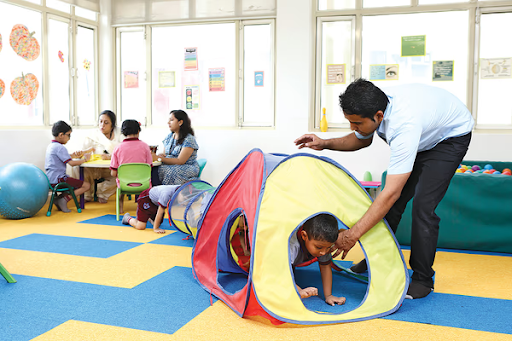
Effective PSHE delivery requires thoughtful integration into the school curriculum rather than treating it as an isolated subject. Schools employ various methods to ensure these vital lessons reach students meaningfully and consistently.
Dedicated PSHE lessons provide structured time for exploring specific topics in depth. Trained educators facilitate discussions, activities, and projects that engage students actively rather than through passive learning. These sessions create safe spaces where children feel comfortable sharing thoughts and asking questions.
Cross-curricular integration allows PSHE themes to weave through subjects like literature, science, and social studies. For instance, literature classes might explore character emotions and moral dilemmas, while science lessons could address health and environmental sustainability. This approach reinforces PSHE concepts through multiple touchpoints.
School assemblies, workshops with guest speakers, and community engagement projects provide experiential learning opportunities. Students benefit from real-world perspectives when professionals, healthcare workers, or financial experts share insights and experiences. Parent involvement through workshops and regular communication ensures that PSHE values extend into home environments.
Check Out | Hands-On-Learning & Exploration
Manav Rachna International School (MRIS), Sector 46, Gurgaon: Championing Holistic Development Through PSHE
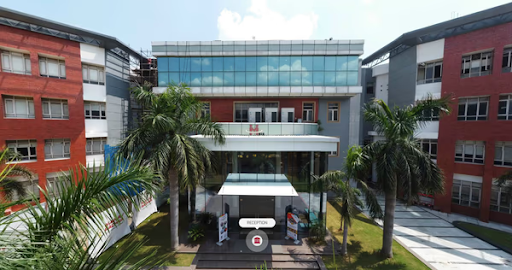
Established in 2008, Manav Rachna International School (MRIS), Sector 46, Gurgaon, stands as one of the leading CBSE schools in Gurugram. Spread across five acres in the heart of the city, the school has built its reputation on a student-centric approach that prioritises holistic development alongside academic excellence.
PSHE forms an integral part of the primary curriculum at MRIS-46, helping students acquire personal attributes, social skills, and habits necessary to navigate real-life situations effectively. The Soft Skills Education (SE) component is thoughtfully woven into daily learning experiences.
Value-based education, incorporating humanistic, ethical, Constitutional, and universal human values, forms the foundation of character development. Students engage with concepts of truth, righteous conduct, peace, non-violence, and scientific temperament through structured lessons and practical applications.
The school enforces comprehensive health practices, including morning fruit breaks and a strict "No junk in the box" policy on weekdays. Regular sports sessions ensure physical fitness remains a priority for all students.
An on-campus infirmary staffed with a permanent doctor and nurse provides immediate medical attention when needed. Annual dental and basic health check-ups for all students ensure early detection of health concerns, with detailed feedback shared with parents.
Individual Social Responsibility (ISR) initiatives connect students with the broader community through partnerships with organisations like CRY, Goonj, and Lotus Petal Foundation. The student-led committee 'No Planet B' organises awareness drives, collection campaigns, and NGO visits.
Anti-bullying policies, counselling services, and conflict resolution programs address behavioural safety comprehensively. School counsellors conduct regular workshops facilitating socio-emotional well-being, ensuring every child feels supported and heard.
Student leadership programs, including the democratically elected school council, teach responsibility and civic participation. The Vidyanatriksha Model United Nations (VidMUN) exposes students to international politics and policy-making, broadening their global perspectives.
Career counselling begins from Grade 8, with the Career Development Centre (CDC) providing personalised guidance through Grade 12. Expert sessions, internship opportunities, and interactions with industry professionals prepare students for informed career choices.
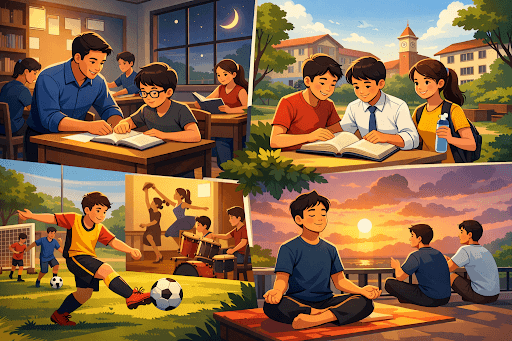
MRIS-46's comprehensive PSHE approach ensures students develop into empathetic, socially responsible individuals equipped with 21st-century skills. The school's commitment to nurturing well-rounded global citizens while remaining rooted in Indian values exemplifies progressive education that truly prepares children for life beyond the classroom.
Discover how Manav Rachna International School, Sector 46, Gurgaon, integrates comprehensive PSHE into its curriculum to nurture future-ready learners. Apply Now to give your child an education that goes beyond textbooks and builds essential life skills.
For more information on MRIS and other similar schools, check out this list of the best schools in Gurgaon.

 as a preferred source on