







These days, school isn't only about books and grades. More and more, parents want schools that care for their child's mind, body, and soul equally. The move towards holistic development shows that we now know that kids need more than just good grades to do well in life.
Sri Ma Montessori International in Gurugram's Sector 109 is a good example of this new way of thinking. This pure Montessori school is part of the Sri Ma Group of Institutions, which was started by Divine Mother Sri Tara Ma in 1975. It teaches values, culture, and a wide range of activities as part of its curriculum.
This article talks about why holistic education is important, how Montessori philosophy changes learning, the relevance of culture and values, and how different activities help people become whole.
Also Read | Beyond Academics: How SMMI Shapes Well-Rounded Global Citizens
The Essence of Holistic Education in Early Years
Holistic education looks at the whole child instead of just their schoolwork. It acknowledges that cognitive development must be accompanied by physical health, emotional intelligence, social competencies, and moral foundations.
Why the Formative Years Matter Most
Early infancy is the most important time for growth and change. Kids learn quickly, build basic habits, and develop their essential personality traits between the ages of three and eight. The things they learn during these years will affect the rest of their lives.
The Gap in Conventional Education
In traditional schools, kids are typically seen as empty vessels that need to be filled with information. Understanding is less important than rote memorisation. Physical education is put on the back burner, while the arts are pushed to the side as 'extra-curricular'. This restricted approach makes people unbalanced. They may get good grades, but they won't be emotionally mature, physically healthy, or able to think creatively, which are all things that are important for a happy life.
Montessori Philosophy: Child-Centric Learning That Transforms
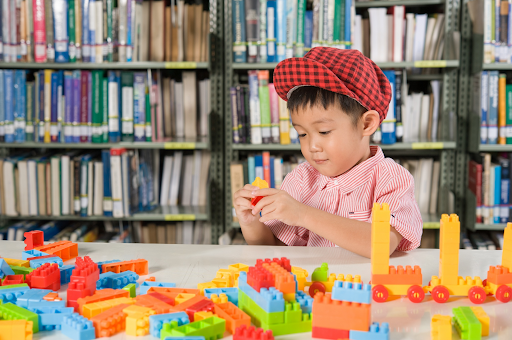
The Montessori method changed education forever by putting kids in charge of their own learning. This method takes into account each child's own pace and interests.
Core Principles of Montessori Education
Some of the most important features are:
- Children choose their own work in this self-directed activity.
- Learning by doing, using materials made just for that
- Classrooms with students of different ages that facilitate learning from each other
- Periods of work without breaks for profound focus
In a Montessori classroom, kids can move about freely, choose activities that interest them, and work at their own pace. Teachers are more like guides than lecturers. They watch and help instead of directing.
Building Independence and Critical Thinking
From a young age, Montessori kids learn how to think for themselves. Doing things like pouring water or putting things in order helps kids improve their motor skills, focus, and self-esteem all at the same time. When kids learn by doing, they naturally start to think critically, which lays the groundwork for abstract thinking later on.
Value-Based Education: Anchoring Children in Culture and Ethics
There is a problem with character in modern education. Students who don't have honesty, kindness, and a strong sense of right and wrong don't care about their academic success. Value-based education purposefully fosters moral and spiritual growth.
Integrating Ancient Wisdom with Modern Learning
India's rich cultural history has a lot of useful information regarding how people should act. The Mahabharata tells stories that convey moral lessons. Kids can easily absorb the moral lessons of the Panchatantra. When schools teach kids stotras, hymns, and lessons from old books, they help kids learn about their roots and strengthen their character.
The Role of Yoga and Mindfulness
Schools that teach yoga do more than just exercise. It helps kids get in touch with their inner selves, control their feelings, and focus. Even just ten minutes of practice every day can help you focus better, feel less anxious, and be healthier overall. Children learn skills that will help them for the rest of their lives through meditation.
Beyond Classrooms: The Society-Based Learning Model
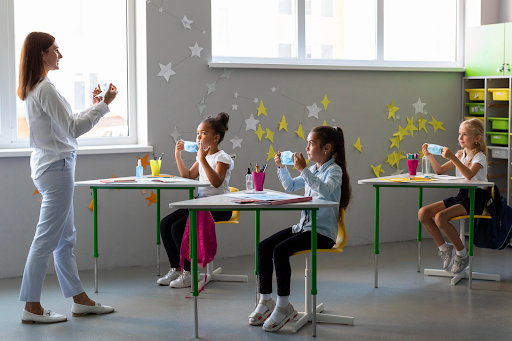
Student groups turn students who are not interested in learning into active participants. When kids join clubs that are related to their interests, learning becomes fun instead of work that has to be done.
How Societies Develop Specialised Skills
A member of a literature society talks about themes, writes poems, and maybe even puts out a school magazine. A member of a science society does experiments and learns how to think like a scientist. Members of the drama club work on their public speaking and emotional expression, while members of the photographic society work on their artistic vision and technical skills.
Preparing for Diverse Career Paths
Kids today will work in jobs that we can't even think of yet. The society-based paradigm helps people learn abilities that may be used in other areas, such as research, communication, and working together. Children can find hidden abilities and interests outside of their regular schoolwork when they are exposed to different cultures.
Sports and Arts: The Pillars of Complete Development
Art and physical education aren't just nice things to have; they are basic human requirements that help with mental and emotional health and growth.
Physical Education Beyond Competition
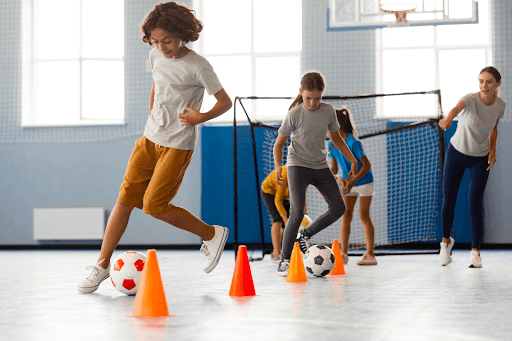
Sports teach things that can't be learnt in a classroom. Cricket teaches people how to work together under stress, athletics teaches discipline, and martial arts teaches respect as well as physical ability. Regular exercise helps kids do better in school. Studies suggest that kids who exercise regularly have greater focus and problem-solving skills.
Arts as Tools for Self-Discovery
Children can learn languages other than words through music, dance, and the visual arts. A child who has trouble saying how they feel could paint to let out their feelings. Classical dance trains you to be disciplined while also letting you be creative. Children learn to express themselves through many types of art, which makes them stronger and more creative when faced with problems.
Check Out | How MRIS Sector 14, Faridabad, Is Building a Strong Sports Culture Alongside Academics
Sri Ma Montessori International: Where Legacy Meets Innovation in Gurugram
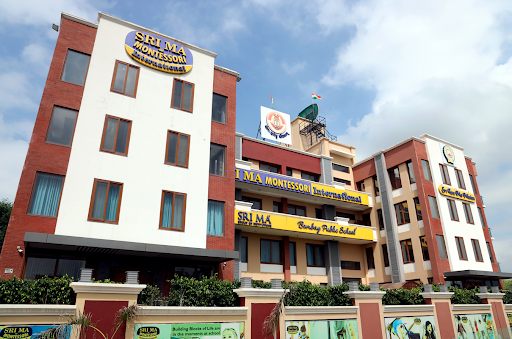
Sri Ma Montessori International is situated in Sector 109, New Palam Vihar, Off Dwarka Motorway, Gurugram. It has been offering value-based education for 50 years. This pure Montessori school is part of the Sri Ma Group of Institutions, which Divine Mother Sri Tara Ma started in 1975. It combines proven teaching methods with modern demands.
The school uses stotras, hymns, and stories from old books in its everyday lessons. Along with their regular schoolwork, they learn about the lives of famous people. This framework, which is full of value, works in current digital classrooms that are set up for hands-on learning.
SMMI has more than fifteen specialised societies, including ones for literature, science, drama, journalism, and the environment. Bharatanatyam, Kathak, and Western forms are also part of the dance curricula. Sports facilities can be used for a variety of activities, including cricket, basketball, athletics, martial arts, NCC, and scouts and guides.
What makes SMMI different is that it promises to treat each child like a teacher would their own. This caring "parents-on-campus" approach helps kids build the confidence and security they need to explore and grow. The goal is to raise model global citizens with strong values and the ability to think critically.
Finding the ideal school involves finding a place that helps your child grow in every way. Look for schools that encourage character as well as academics, offer a variety of activities outside of class, and see education as a way to prepare people for life.
Check out Sri Ma Montessori International in Gurugram if you're looking for a school that takes this whole-person approach. Visit the campus to see how tradition and innovation come together and how education can change lives.
For more information on this and other such schools in the area, check out this list of the best schools in Gurgaon.
 as a preferred source on