









As a child grows up, it does more than just simply absorb the world around them. They construct it in ways that shape the rest of their learning journey. Long before formal lessons and examinations begin, foundational experiences in play, exploration, and self-guided discovery form the bedrock of cognitive, social-emotional, and physical development.
Modern education increasingly recognises that early childhood learning models must do more than teach the alphabet and numbers. They must nurture curiosity, independence, problem-solving, collaboration, confidence, and a genuine love for learning. This holistic approach prepares children not only for primary school but for a lifetime of inquiry and resilience.
At the heart of this shift lies Montessori-inspired, activity-based learning, a philosophy that respects the natural developmental rhythms of young learners and empowers them to take charge of their own discovery. When thoughtfully implemented, this kind of curriculum transforms early schooling from a routine into a rich, purposeful experience that honours each child’s individuality.
In this article, we explore the power of well-designed play-based early childhood education, the key elements that make it effective, and how one of the best Boarding schools in the country, the Modi World School, Jhunjhunu, has built a self-designed curriculum rooted in Montessori and activity-based learning to foster confident, capable young learners.
What Early Childhood Education Should Provide
Early childhood education is far more than “pre-school”; it is a foundation for lifelong learning and development. Research consistently shows that high-quality early learning environments can have profound impacts on language development, social skills, executive function, and emotional regulation. Moreover, strong early years learning supports later academic achievement and positive attitudes toward school.
Holistic early education programmes are designed around the understanding that children learn best when they are engaged, active, and emotionally supported. Instead of passive listening or rote memorisation, children should experience learning as exploration, something that inspires wonder and meaning.
Also Read| The Multi-Pathway Approach beyond Board and Books
Montessori and Activity-Based Learning: Core Principles
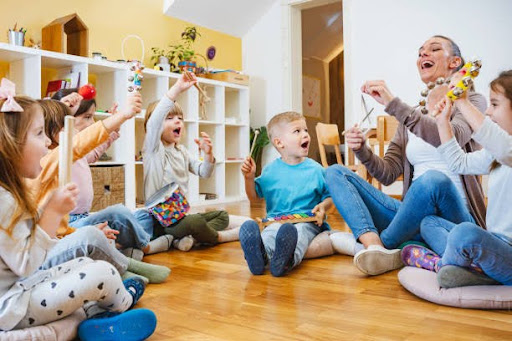
Montessori education and activity-based learning share several core principles that make them particularly effective for early childhood development:
1. Child-Centred Learning
In Montessori and activity-based approaches, the curriculum adapts to the *child* — not the other way around. Children are given thoughtfully prepared materials and are free to choose activities that match their interests and developmental needs. This autonomy supports curiosity, self-motivation, and confidence.
2. Hands-On, Sensory Engagement
Learning materials in Montessori and play-based classrooms are tactile and concrete, encouraging children to use all of their senses. These interactions build fine and gross motor skills, deepen understanding, and help young learners make meaningful cognitive connections.
3. Social Collaboration and Emotional Skills
Group activities and mixed-age learning environments encourage empathy, communication, cooperation, and leadership. Children learn to share ideas, negotiate roles, and support peers; these social skills are as critical as academic ones.
4. Freedom Within Structure
Freedom of choice is balanced with consistent routines and clear expectations. This balance encourages independence while helping children develop discipline, focus, and a sense of responsibility for their actions.
5. Purposeful Play
Play is not just for entertainment; it is a serious neurological and social process. Structured play supports language development, problem-solving, creativity, and emotional regulation, all of which prepare young children for more complex learning later on.
Why This Matters: Long-Term Benefits of Play-Based Early Education
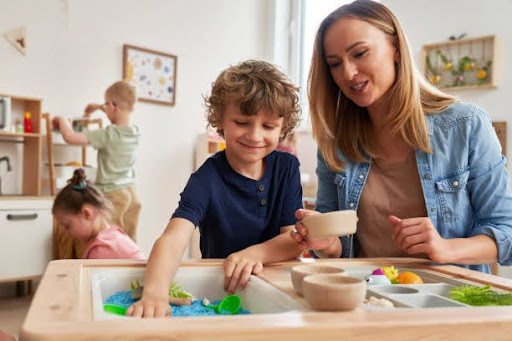
Strong early years programmes set children up for success in many ways:
- Cognitive Development: Hands-on learning enhances critical thinking and understanding of abstract concepts through direct experience.
- Language and Communication: Social play and guided discovery improve vocabulary, listening skills, and expressive language.
- Social-Emotional Competence: Collaborative activities foster empathy, self-regulation, and resilience.
- Motor Coordination: Practical life exercises build fine and gross motor skills essential for tasks like writing and sports.
- Love for Learning: When children enjoy learning, they are more likely to remain engaged and inquisitive throughout school.
These foundations help children transition more easily to primary schooling and build a mindset that embraces challenge and creativity.
Also Read| Blueprint for Sustainable Early Education
Modi World School, Jhunjhunu: A Self-Designed Approach to Early Years

Located in Wisdom City, Jhunjhunu, Modi World School (MWS) embraces the most effective early years philosophies by offering a self-designed playschool curriculum rooted in Montessori and activity-based learning. Rather than relying solely on a standard programme, the school has intentionally crafted a curriculum that integrates proven pedagogical practices to meet the needs of young learners.
A Curriculum That Honors the Whole Child
At Modi World School, early education is delivered through its “Jolly Angels” play school programme, which is built around activities that encourage children to explore their environment and learn at their own pace. This curriculum emphasizes:
- Montessori-inspired learning materials and classroom setups that encourage hands-on exploration.
- Activity-based projects that connect sensory experiences with emerging cognitive skills.
- Guided discovery and self-expression, where teachers act as facilitators and mentors rather than lecturers.
- Play-linked instructional activities that integrate language, math, art, and physical skills seamlessly.
This thoughtful blend ensures that children develop foundational skills without pressure, allowing their natural interests to drive learning, a very core Montessori principle.
Supporting Social, Emotional, and Motor Development
In the Modi World School curriculum, group activities and collaborative play are essential. By working with peers on guided tasks, children learn empathy, patience, cooperation, and leadership, all while strengthening social and emotional intelligence.
Practical life exercises, such as sorting objects, building with materials, or participating in role-play scenarios, build fine motor skills and independence. These activities form a stepping stone to later academic abilities like writing, problem-solving, and task organisation.
A Strong Bridge to Primary School
Because the curriculum nurtures autonomy, motivation, and confidence, children are better prepared for formal schooling. They enter primary classrooms ready to:
- Engage with structured tasks
- Adapt to routines
- Communicate effectively
- Solve problems independently
- Approach new challenges with curiosity
These skills give children a distinct advantage as they transition from play-based early learning into more formal academic contexts.
Parent Partnerships and Continuity of Learning
Importantly, Modi World School fosters strong collaboration between teachers and parents. Continuous communication ensures that learning at school aligns with everyday experiences at home. Parents are encouraged to support their child’s interests, reinforce concepts playfully, and celebrate developmental milestones — creating continuity between school and family life.
Conclusion: Playful Learning, Powerful Outcomes
Early childhood education shapes the learner for life, not just for school. When a curriculum is thoughtfully designed to support cognitive, emotional, social, and physical development, children graduate from it not only ready for academics but equipped with confidence, resilience, and a genuine love for learning.
Modi World School, Jhunjhunu, has embraced this philosophy through a self-designed playschool curriculum rooted in Montessori and activity-based learning. By providing young learners with choice, hands-on experiences, meaningful social interaction, and purposeful play, the school builds a strong foundation for future academic success and lifelong curiosity.
If you’re exploring early childhood programmes that value child-centered exploration and holistic development, understanding how such curricula are structured can help you make informed decisions about your child’s first steps in education, steps that matter for a lifetime.
To learn more about this and other schools nearby, see this list of the top boarding schools in India.

 as a preferred source on