






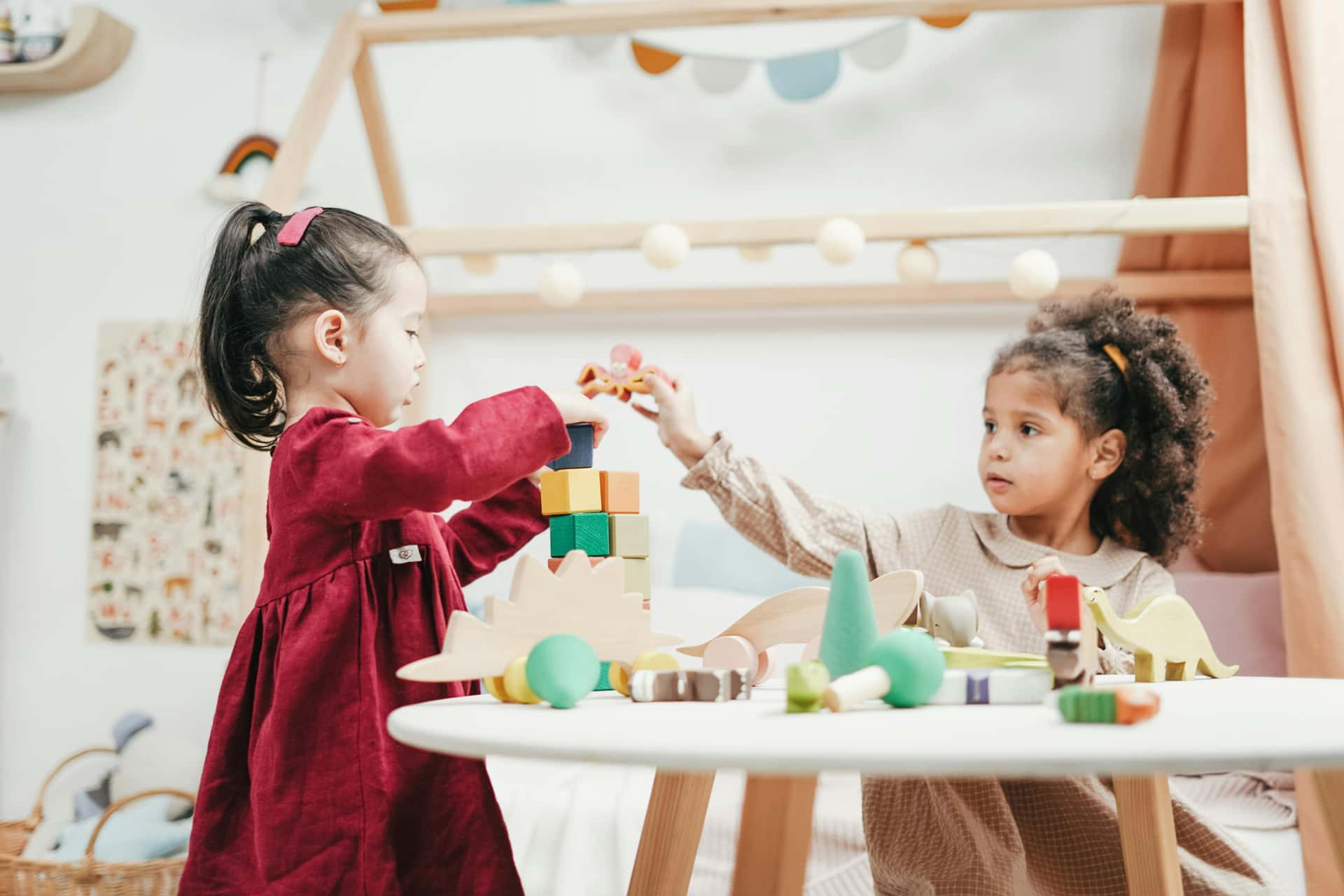

Play-based learning is a teaching approach that leverages the natural curiosity and exploration instincts of young children to support their cognitive, emotional, and social development. Rather than strictly structured lessons, this method focuses on hands-on activities, encouraging children to learn through play. But how exactly can preschools integrate this approach effectively? Let’s dive into the specifics.
What is Play-Based Learning?
Play-based learning involves activities that allow children to explore, experiment, and learn at their own pace within a structured framework. This method supports self-driven exploration and fosters a love of learning, as children engage in meaningful, fun activities that stimulate their thinking and understanding.
Importance of Play in Early Childhood Development
Play is essential for young minds. When children play, they develop critical skills such as problem-solving, communication, and creativity. It also lays the foundation for literacy and numeracy skills in a way that feels natural and engaging. By allowing children to learn through play, we create a foundation for lifelong learning.
Why is Parental Engagement Important in the Play-Based Learning Process?
Engaging parents in the play-based learning process is essential, especially in the early stages. Understanding the benefits of play-based learning helps parents looking for a preschool for their kids feel confident in choosing a supportive environment for their child’s development.
Parental involvement is key for play-based learning to be most effective. Update parents regularly on their child’s progress and suggest play-based activities they can try at home. Hosting workshops or parent-teacher meetings focused on play-based learning can also help parents understand its value.
Benefits of Play-Based Learning
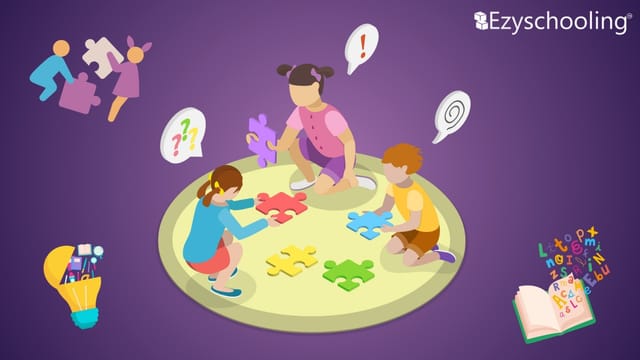
- Cognitive Benefits: Through play, children gain a deeper understanding of the world around them. Activities such as building blocks and puzzles encourage critical thinking, spatial awareness, and logical reasoning.
- Social Benefits: Play-based learning often involves group activities that teach children to share, take turns, and collaborate with their peers. This social interaction is essential for developing strong interpersonal skills.
- Emotional Benefits: As children engage in play, they learn to manage emotions and develop resilience. When they face challenges during play, such as assembling a difficult puzzle, they learn patience, perseverance, and self-confidence.
Read More | Benefits of Play-Based Learning
Setting Up a Play-Based Learning Environment
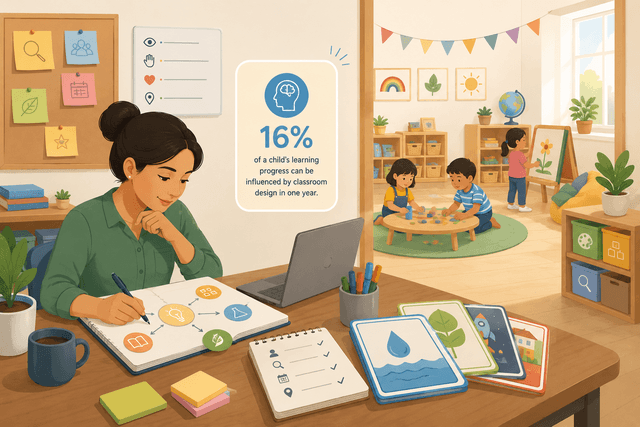
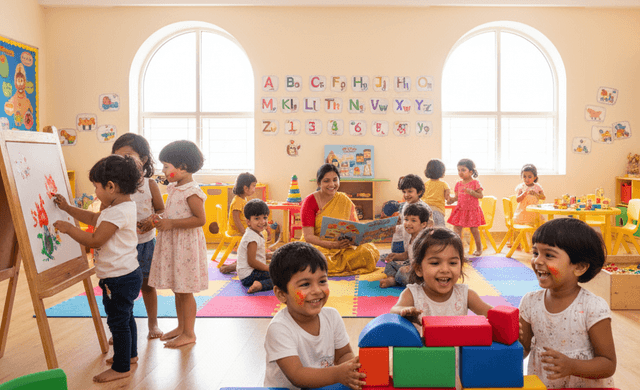
Creating a conducive environment for play-based learning is crucial. The setting should be welcoming, safe, and filled with materials that encourage creativity and exploration.
- Choosing the Right Space: The classroom should have distinct areas for different types of play, including a quiet zone for reading and a more active area for physical play.
- Selecting Appropriate Materials: Offer a variety of materials like building blocks, art supplies, costumes, and sensory items. These tools encourage exploration and allow children to express themselves in different ways.
- Creating a Curriculum for Play-Based Learning: A well-rounded play-based curriculum is essential. It should integrate educational goals with fun, age-appropriate activities that cover different aspects of learning, such as language, math, science, and motor skills.
Types of Play in Play-Based Learning
- Free Play: This is an unstructured play that allows children to explore their interests independently, fostering creativity and decision-making.
- Guided Play: Teachers guide children through certain activities, introducing them to new concepts without imposing strict outcomes.
- Structured Play: In structured play, children participate in activities with specific goals or outcomes, such as counting exercises or shape-matching games.
How to Encourage Play-Based Learning in Preschool
To fully integrate play-based learning, teachers should create a balance between structured activities and free play, allowing children to take the lead while providing guidance when needed. Encourage curiosity by asking open-ended questions, such as, “What do you think will happen if we add more blocks?”
Also Read | Moulding Education through Fun
The Role of Teachers in Play-Based Learning
Teachers act as facilitators in play-based learning, guiding children’s curiosity, introducing new vocabulary, and modelling positive behaviour. They should observe each child’s interests and strengths, adapting activities to nurture individual learning styles.
Examples of Play-Based Activities
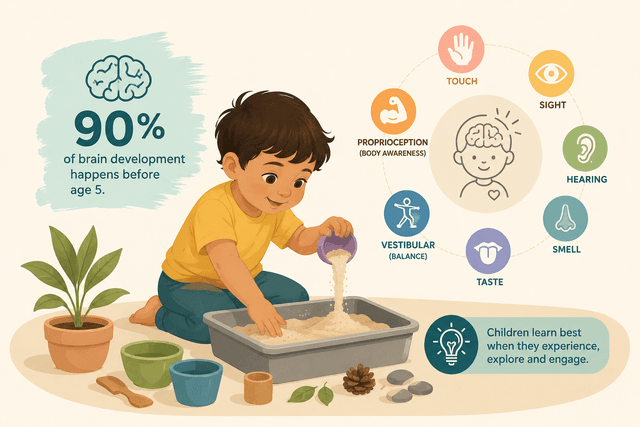
- Sensory Play: Using materials like sand, water, and clay, sensory play helps children explore textures, temperatures, and shapes. This type of play supports motor skills and sensory processing.
- Role-Playing Activities: Role-playing, such as pretending to be a chef or a doctor, encourages children to use their imagination and develop language and social skills.
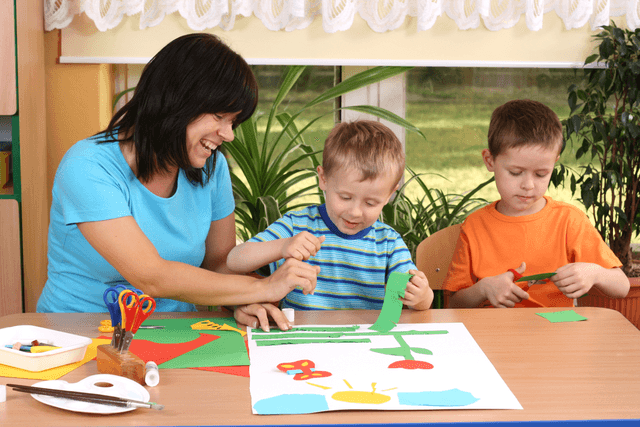
- Arts and Crafts: Art activities such as drawing, painting, and crafting enable children to express their creativity, fine-tune motor skills, and understand colours and shapes.
- Outdoor Play: Spending time outdoors not only promotes physical health but also helps children understand nature and build coordination through activities like running, jumping, and climbing.
Assessing Progress in a Play-Based Learning Environment
Assessing play-based learning can be challenging, as it’s less structured than traditional learning. Teachers should focus on observing each child’s interactions, engagement, and problem-solving skills rather than looking for right or wrong answers.
Overcoming Challenges in Implementing Play-Based Learning
Implementing play-based learning may come with hurdles, including limited resources or resistance from parents unfamiliar with the approach. Solutions include seeking affordable resources, offering parent education sessions, and incorporating low-cost, high-impact materials like cardboard boxes and natural elements.
Common Myths About Play-Based Learning
- “Play-Based Learning Isn’t Structured”
While play-based learning allows for freedom, it still has a structured foundation, ensuring educational outcomes. - “Children Don’t Learn Academics in Play-Based Programs”
On the contrary, many play-based activities integrate basic math, literacy, and science concepts. - “Play-Based Learning Lacks Discipline”
Play-based learning encourages self-discipline, as children make decisions and follow rules in games.
Conclusion
Play-based learning is more than just fun activities and games; it’s a powerful approach that nurtures young children’s natural curiosity and builds a solid foundation for lifelong learning. By creating a supportive environment, engaging parents, and offering diverse activities, preschools can create a vibrant learning space where children thrive.
FAQs
-
What are some examples of play-based learning activities?
Examples include sensory play with sand, building with blocks, role-playing, arts and crafts, and outdoor activities like running and climbing.
-
How can teachers balance play and learning in the classroom?
Teachers can create a curriculum that incorporates both structured and unstructured play, guiding children when needed but allowing free exploration.
-
Is play-based learning effective for teaching academics?
Yes, many play activities include foundational literacy, math, and science concepts, making learning more engaging and accessible.
-
How can parents support play-based learning at home?
Parents can encourage open-ended play, provide creative materials, and participate in activities that allow children to explore freely.
-
What are the main benefits of play-based learning?
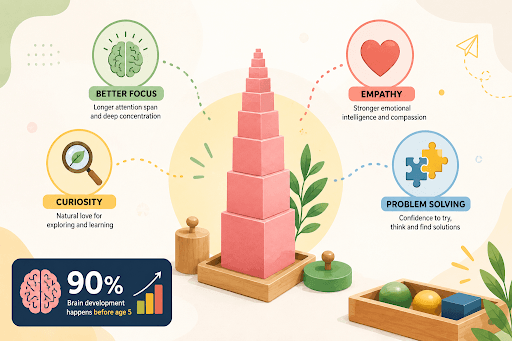
Play-based learning promotes cognitive, social, and emotional growth, helping children develop problem-solving skills, empathy, and resilience.


 as a preferred source on