








A child does not remember every chapter they studied, but they remember the confidence they gained, the failures they survived, and the teachers who made them feel capable. The weight of your kid's school bag is figured out in kilograms, but the actual weight a kid carries is the pressure to do well.
You educate your child at school for alphabets and algorithms, still, you are the ones who lie awake at night wishing them also to learn kindness and courage. In the competition for marks, childhood loses its very nature. Nevertheless, in the learning environment, a silent change is taking place in education that not only changes the mind but also the body and the spirit.
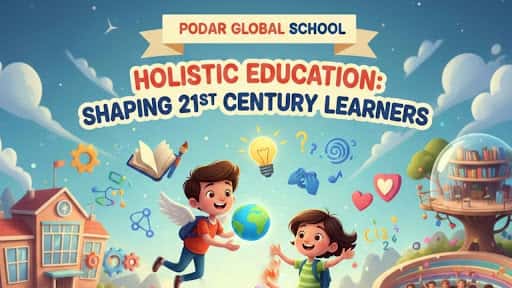
Across India’s evolving academic landscape, including among the best schools in Bangalore, holistic education is becoming the foundation of meaningful learning. It recognises that success in the 21st century demands far more than marks; it demands resilience, creativity, emotional intelligence, and ethical grounding.
This article uncovers what holistic development is, why it is so crucial in our time and how Podar Global School Yelahanka, Bangalore, is living these ideals to create the citizens of the future.
Also Read | Why Montessori is Better for Growing Children
Why Academic Success Alone Is No Longer Enough?
The society that your kids will be part of is one that values flexibility more than memory. Communities, schools, and companies have turned their attention to people who can work with others from different cultures and regulate their emotions in tough situations.
The Transition from Knowing to Being
Back in the day, schools mainly worked to deliver pieces of information. Nowadays, education should be mainly about building good character.
- Looking after being amazed by memorisation: Students nowadays require different types of thinking skills and also creativity in order to find solutions to real problems, not only to do exercises from the textbooks. Thus, knowing by heart cannot get them ready for very changeable jobs.
- Emotional resilience: On top of the well-being crisis, teachers have to deal with kids' rising anxiety. Kids have to be taught how to deal with stress, not just how to beat their classmates.
How successful we are nowadays depends more on how skillfully we cooperate with others.
The Importance of Life Skills Education
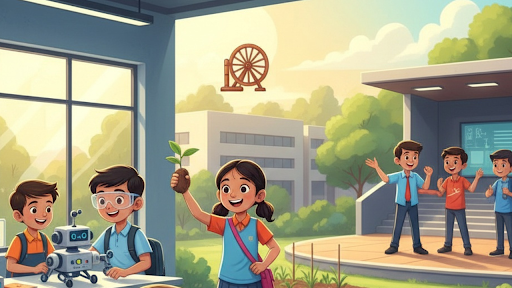
Academic brilliance without life skills can leave young adults overwhelmed in real-world situations. Schools increasingly recognise the need to teach practical competencies.
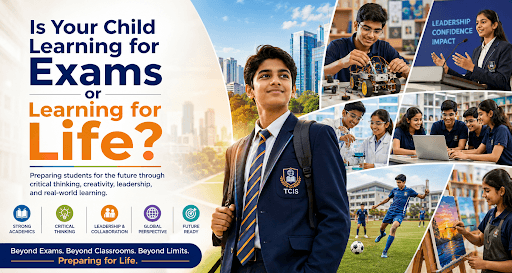
Preparing Children for Real Life, Not Just Exams
Life skills empower students to navigate uncertainty with confidence.
- Decision-making ability: Students learn to evaluate consequences and take responsibility for choices. This builds maturity and independence.
- Time management: Balancing academics, activities, and personal interests teaches discipline that benefits future careers.
- Leadership opportunities: Student councils, clubs, and initiatives allow children to experience accountability and teamwork firsthand.
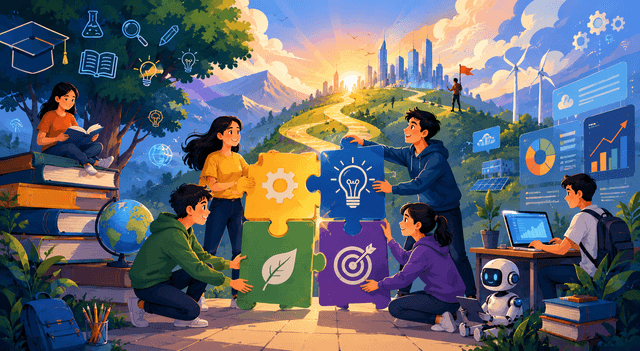
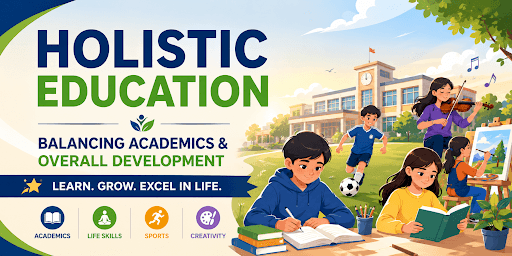
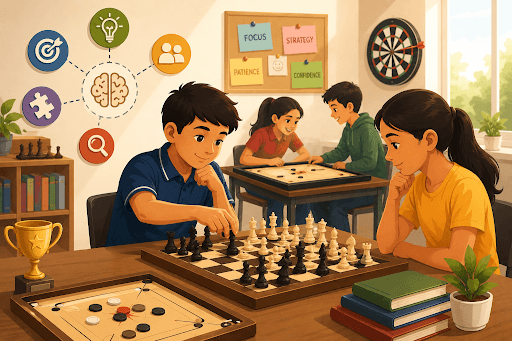
Holistic education is not a single program but a combination of practices that nurture multiple dimensions of a child’s personality.
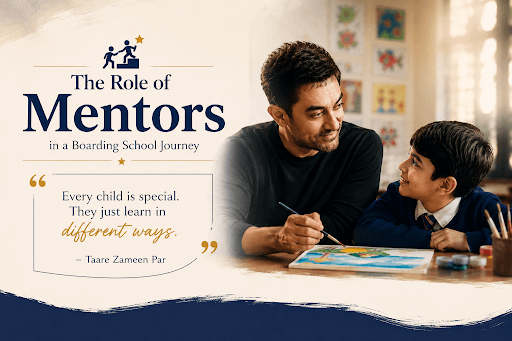
The Role of Teachers as Mentors, Not Instructors
In a holistic educational system, teachers are not limited to just information providers. They are mentors who shape the way children understand their identities and the world around them.
A positive connection between teacher and student fosters a secure atmosphere where the kids can freely inquire, err, and share thoughts. Such a feeling of safety is crucial for authentic learning to take place.
Check Out: Why Emotional Safety Matters in Preschool: Lessons from Mother's Pride
Why 21st Century Learners Need More Than Academics?
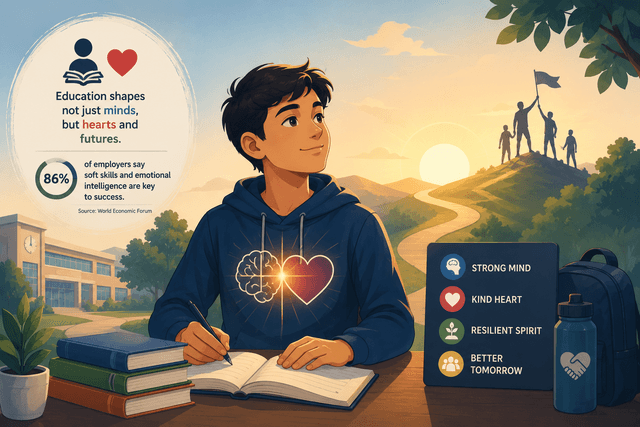
The job market is a completely different place now. A report from the World Economic Forum 2023 states that among the skills required by employers, thinking critically, being creative, and having emotional intelligence are at the top of the list. Apart from preparing for work, kids nowadays are dealing with higher levels of stress than ever.
Those schools whose only priority is the students' grades are, in effect, increasing this stress level among children. The comprehensive approach to education is the opposite of this. It praises the effort made, and the main focus of success is the individual growth of a person, rather than how good they are in comparison to others.
Creating Confident and Adaptable Minds
A child who experiences only left-brain, test-oriented environments during their school years ends up with a brittle confidence that is entirely dependent on external validation. However, if a child is brave enough to step on the stage for the school play while frightened of the audience, they find out that they can do more than they thought.
This confidence turns out to be their best weapon. At university, in job interviews, and in the unpredictable moments of life, they are not afraid of challenges but handle them with interest.
Beyond School Walls - A Parent's Role
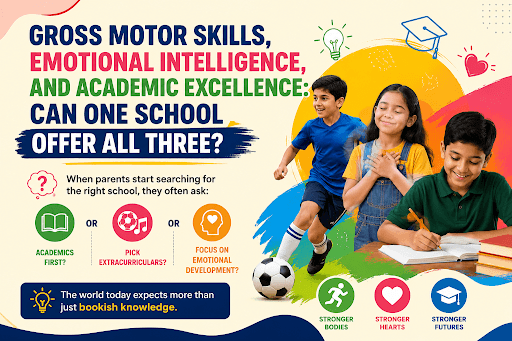
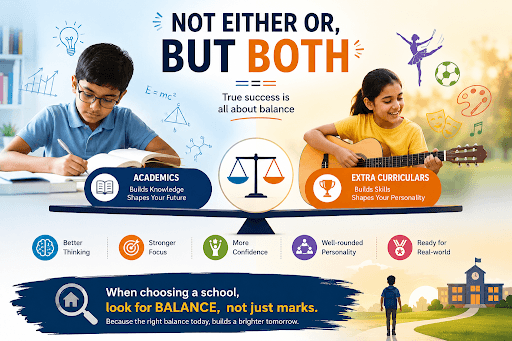
Parents often feel pulled in two different directions: On the one hand, they want their child to be happy; on the other hand, they want them to be successful academically. It is as if these two desires are conflicting. A holistic education eliminates this false dilemma.
As a parent. Your role is no longer that of a pressure applier but a growth supporter. Instead of inquiring about your child's grades, ask them what they have learned, what went wrong, and what they did, even if they are afraid.The Podar Global School - Building Your Child's Future Today
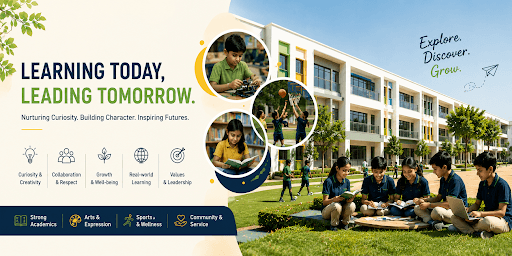
Podar Global School, one of the best schools in Bangalore, represents this holistic vision in action. Built on the 97-year legacy of the Podar Group of Schools, rooted in Gandhian values of ethics and community service, this institution understands that education extends far beyond academics.

Located in Yelahanka, the school spans a thoughtfully designed 2-acre campus where infrastructure serves purpose rather than ego. State-of-the-art learning spaces include robotics labs that inspire young engineers, science labs that transform curiosity into discovery, and language labs that break down barriers to global communication. But the real magic lies in how these facilities are integrated into a broader vision of growth.
The student-teacher ratio of 30:1 ensures meaningful relationships—that often-overlooked factor that transforms learning. Teachers know each student's strengths, struggles, and dreams. This personal connection means intervention happens early, celebration is genuine, and every child feels genuinely seen.
Conclusion
The choice of school is one of parenting's most consequential decisions. It determines not just what your child learns, but how they learn to see themselves. In a holistic environment, a shy child discovers they can lead. A struggling reader finds alternative ways to express brilliance. A perfectionist learns that mistakes are data, not disasters.
To know more information about similar schools in the area, check out this list of the best schools in Bangalore.

 as a preferred source on