







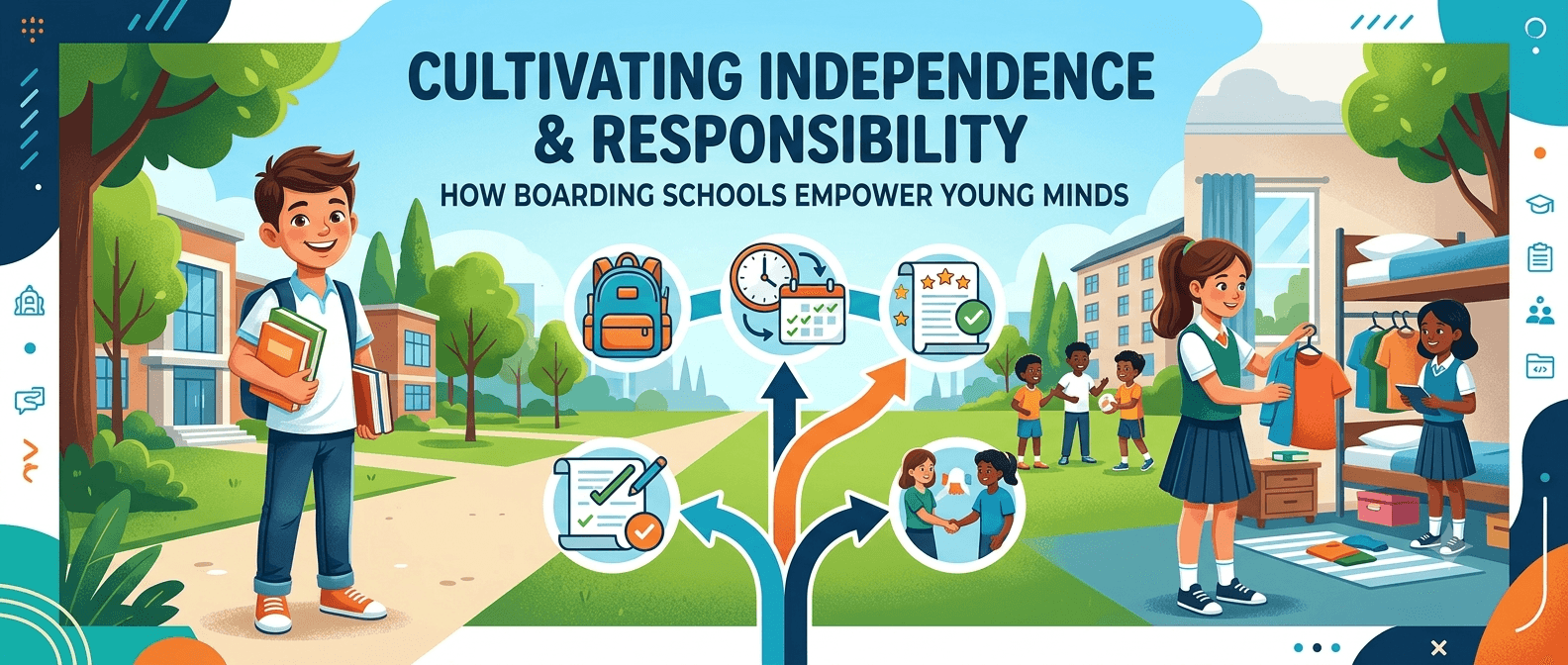

Have you noticed how often children depend on parents for simple everyday tasks? From organising their school bags to remembering schedules and managing their belongings, children gradually learn these skills with practice. This is one reason parents exploring a Top Boarding school in India may consider how residential education can support a child's growth beyond academics. For families considering a Best boarding school in India, the question is not only about classrooms and facilities, but also about whether the school environment helps children become more responsible. Modi World School, Jhunjhunu, a CBSE day-cum-boarding school, provides a useful context for understanding this aspect of boarding education.
Also Read| Launch Your Athletic Career With Pro Training
What Does Independence Really Mean for Children?
Independence does not mean expecting a child to handle everything alone. For a school-going child, it usually means gradually learning to take responsibility for age-appropriate tasks and decisions.
A child who is becoming more independent may:
- Manage personal belongings with fewer reminders.
- Follow a daily routine.
- Complete assigned responsibilities on time.
- Make simple decisions and understand their consequences.
- Ask for help when a problem is beyond their ability.
- Take responsibility when something goes wrong.
These skills develop over time. A supportive boarding environment can give children regular opportunities to practise them because many everyday activities become part of their own routine.
How Daily Routines Can Build Responsibility
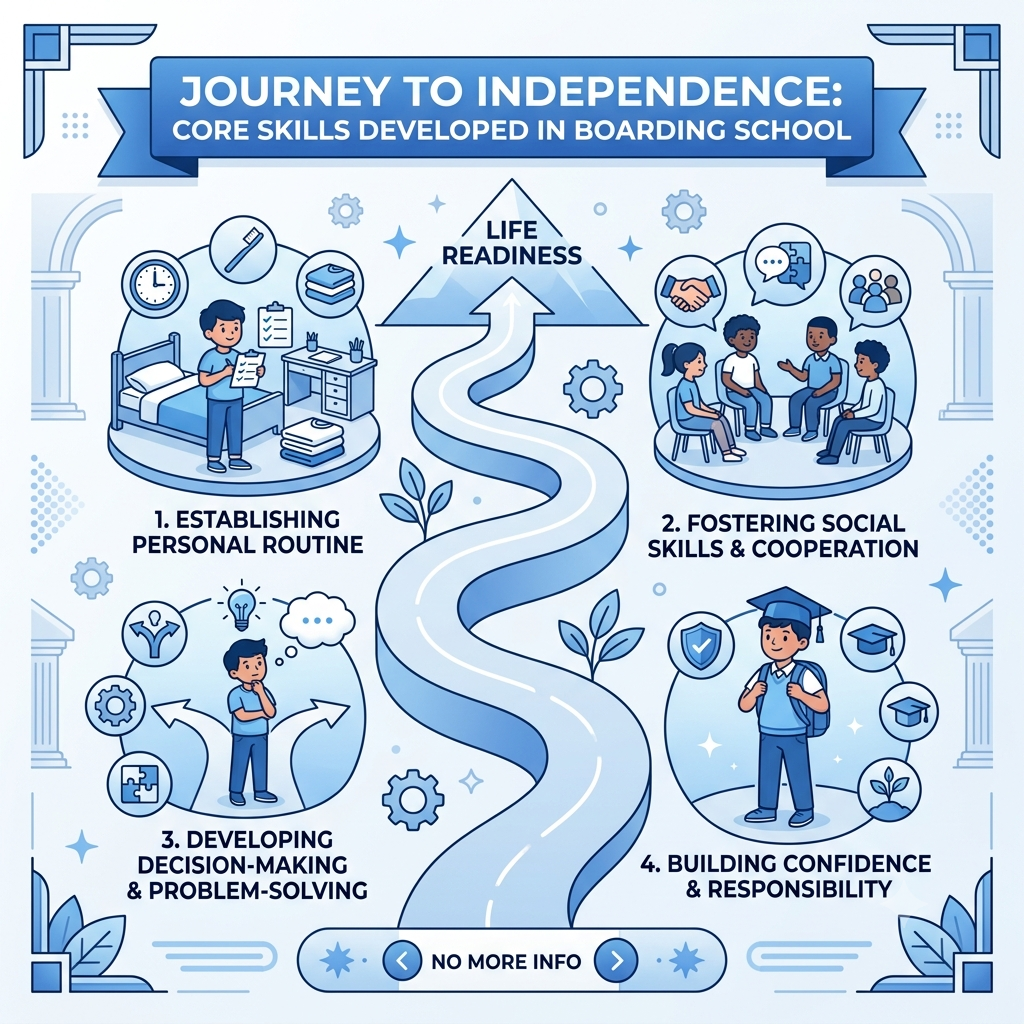
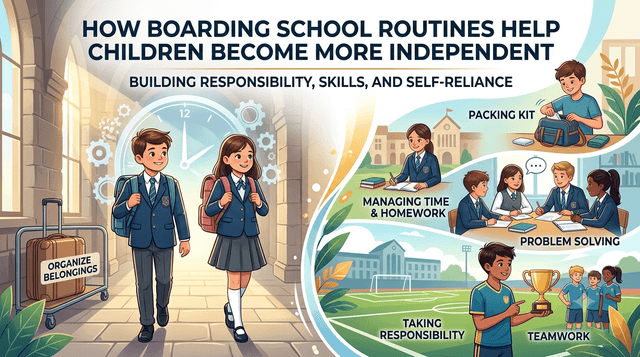
One of the biggest differences between living at home and living in a boarding environment is the amount of responsibility children gradually take for their daily routines.
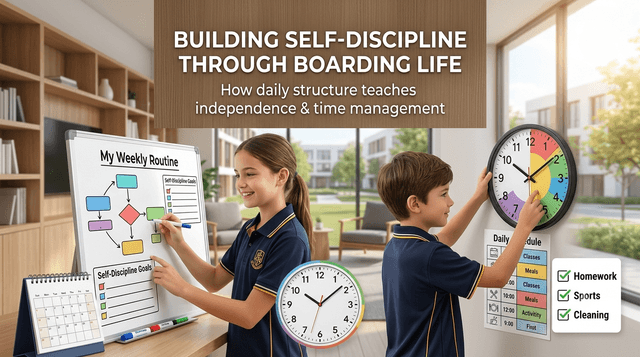
At home, a parent may remind a child to get ready, pack a bag, organise books or prepare for the next day. In a residential setting, children have more opportunities to remember these tasks themselves within a structured schedule.
For example, a student may need to:
- Keep personal items organised.
- Be ready for classes and activities at the appropriate time.
- Follow study and recreation schedules.
- Look after their living space.
- Remember commitments without depending on constant reminders.
The aim is not to remove adult guidance. Instead, children can learn through repeated practice that their choices and actions matter. Over time, these small responsibilities can become useful habits.
Living With Peers Teaches Social Responsibility
Independence is not only about managing personal tasks. Children also need to learn how to live and work respectfully with other people.
Boarding students share many aspects of daily life with their peers. They may have to adjust to different personalities, preferences and habits. This can create opportunities to practise communication, cooperation and problem-solving.
For instance, if two students disagree about something, they can learn to communicate rather than immediately expecting an adult to solve the problem. Similarly, sharing common spaces teaches children that their behaviour can affect others.
These experiences can help children understand important social skills such as:
- Listening to different viewpoints.
- Respecting personal boundaries.
- Cooperating with others.
- Resolving minor disagreements calmly.
- Understanding shared responsibilities.
However, these benefits should not be treated as automatic. Children need appropriate supervision and guidance while learning how to manage relationships.
Independence Works Best With the Right Support
A common misconception is that boarding education means children are simply left to manage themselves. In reality, healthy independence requires a balance between responsibility and adult support.
Parents should look for schools where children have opportunities to make age-appropriate choices while teachers and residential staff remain available when they need guidance. Research involving boarding-school adolescents has also examined the relationship between autonomy, parental control and psychological well-being, highlighting why growing independence needs to be supported rather than forced.
This balance can look different at different ages. A younger child may need more reminders and supervision, while an older student may be given greater responsibility for managing routines and solving everyday problems.
Parents can therefore ask schools questions such as:
- How are students supported when they face difficulties?
- How much responsibility is appropriate for different age groups?
- How does the school maintain communication with parents?
- What systems are in place for students who need emotional or academic support?
The goal should be guided independence, not complete independence at an early age.
What Should Parents Look for in a Boarding School?
Before choosing a residential school, parents should look beyond the hostel building and ask how the overall environment supports a child's development.
Some useful factors to consider include:
- Structured routines: Children benefit from predictable schedules that help them understand their responsibilities.
- Responsible supervision: Adults should be available to guide students and respond when support is needed.
- Opportunities for participation: Sports, cultural activities and other programmes can encourage teamwork and responsibility.
- Communication with families: Parents should have appropriate ways to stay connected with the school and their child.
- A supportive environment: Children should be encouraged to grow without being pressured to become independent before they are ready.
Parents should also consider their child's personality, age, emotional readiness and willingness to live away from home. Boarding education may suit some children particularly well, while others may need more time before making the transition.
Also Read| Beyond Blackboards and Books: The Multi-Pathway Approach
How Modi World School, Jhunjhunu Connects With This Approach
For parents exploring a Top Boarding school in India, Modi World School, Jhunjhunu offers a day-cum-boarding environment where students can experience school life with greater responsibility and structure. A residential setting can give children opportunities to manage their daily routines, take care of their personal belongings, follow schedules and gradually become more confident in handling age-appropriate responsibilities.
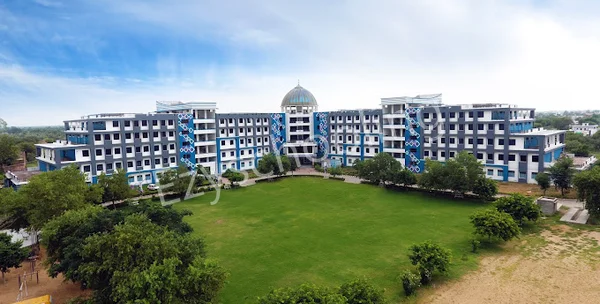
Parents looking for a Best boarding school in India can consider such factors while evaluating whether a school's environment is suitable for their child's age, personality and readiness for boarding education.
The Goal Is Gradual Growth
Boarding school can give children more opportunities to practise responsibility in everyday situations. Managing routines, looking after belongings, interacting with peers and making age-appropriate decisions can all contribute to growing independence.
But the quality of the environment matters. Children need clear expectations, caring adults and opportunities to learn from mistakes. Parents should therefore evaluate not only what a school offers, but also how it supports children as they gradually take greater responsibility for themselves.
When independence develops at the right pace, children can carry these habits beyond school. Learning to manage time, communicate clearly, solve everyday problems and take ownership of responsibilities can become valuable skills for higher education and adult life.
For more information on this and similar schools, check out this list of the best boarding schools in India.
 as a preferred source on