







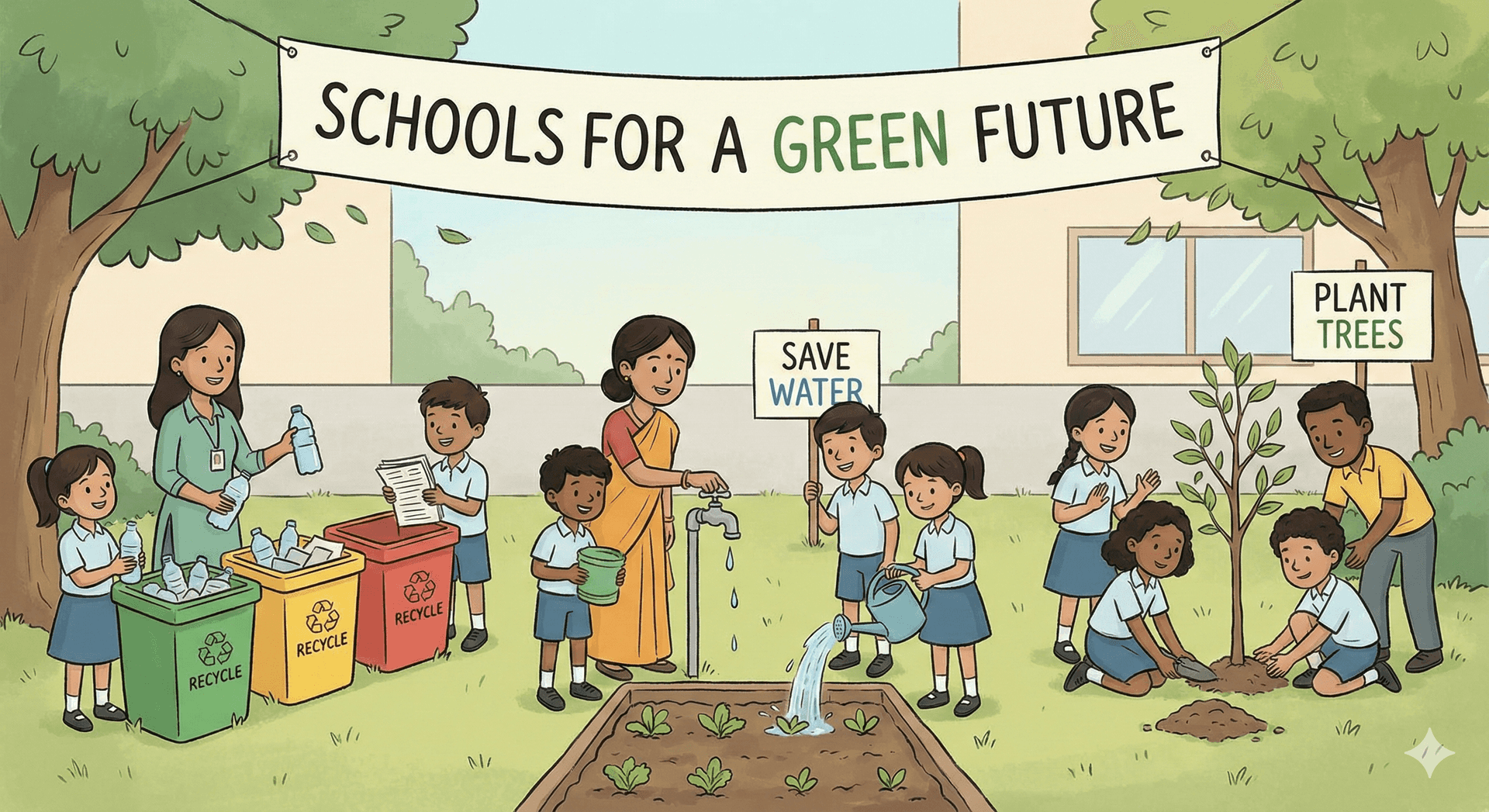

India faces big environmental problems, producing over 62 million tonnes of waste every year, and many areas suffer from serious water shortages.Today, schools in India do more than just teaching, they organise many programs and events, and form large communities that use huge amounts of electricity, water, and paper each day. This increases the waste manifolds, and schools do not even think twice about the same.
To build a healthy future, Indian schools must change from quiet watchers into active participants for environmental fixes. They need to move past one-time events like planting trees and make real, everyday changes that cut their harm to the planet. Some of the best schools in Greater Noida are showing true responsibility by weaving sustainability into everything they do each day.
Also Read: Grow Talent with Starmakers platform
Why Indian Schools Must Act Now?
Schools in India can fight environmental damage in a special way. They hold the country's biggest group, its young population, and have the buildings and spaces to show how to live sustainably. But many schools now harm the environment without realizing it. They use too many resources and throw away waste the wrong way.
India's Growing Waste Problem
Many Indian cities create huge piles of solid waste every day. The Central Pollution Control Board (CPCB) says a lot of this waste is plastic, and much of it fills up landfills or pollutes rivers and lakes. Schools add to this problem with single-use plastics from canteens, too much paper, and extra packaging. When students watch their school dump this waste carelessly, they learn to do the same. Schools create a lot of waste, so they must take charge and handle it right on their own grounds.
Water and Energy Needs
Many Indian cities face days when water stops flowing from taps. Yet schools ignore dripping faucets, wasteful toilets, and extra water for gardens. Schools also use more energy as they add computers and air conditioners. Lights and fans stay on in empty rooms. These habits cost money and hurt the environment. They put pressure on power systems that still burn fossil fuels.
How Schools Can Help in Reducing Environmental Waste?
Schools become environmentally responsible when they stop just teaching about sustainability and start practicing it. They need practical, hands-on projects that get students, staff, and parents involved.
Conducting Campus Resource Audits
You can't manage what you don't measure, so schools should start with a Green Audit. They form teams led by students to track how they use resources.
Energy Detectives (elected by teachers like class monitors ) monitor electricity meters and spot times of high use. They make sure computers and lights turn off completely, instead of staying on standby. Another group of elected students also check water flow from taps, find leaks, and figure out daily use for bathrooms and gardens.
This information gives a starting point. Then, schools set real goals, like cutting electricity bills by 10% or saving thousands of liters of water each month.
Enacting True Zero-Waste Zones
Many schools use different colored bins, but waste often mixes up later. For true responsibility, everyone separates waste right at the start into three groups: biodegradable (wet waste), recyclable (dry waste), and reject waste (like hazardous or sanitary items).
Schools build on-site composting pits for food scraps from the canteen and garden clippings. They use this compost to feed the school grounds and complete the nutrient cycle. For dry waste, they partner with local recyclers to make sure paper, plastic, and metal truly get recycled, not dumped. This makes waste management a real daily habit, not just something from books.
Also Read: Values That Last a Lifetime: The Virtues Behind True Education
The Hidden Danger of E-Waste
People talk a lot about plastic, but electronic waste, or e-waste, is a growing and sneaky danger.
India Leads in E-Waste
India now produces more than 3.2 million tonnes of e-waste each year, making it the third-largest generator in the world. This waste comes from old computers, mobile phones, batteries, wires, and chargers. Unlike normal trash, e-waste holds dangerous poisons like lead, mercury, and cadmium.
When people toss e-waste into regular dustbins or sell it to informal scrap dealers, these poisons leak into the soil and groundwater. They cause serious health problems that last for years and harm entire communities. Schools and students use a lot of technology today, so they must handle the disposal of these gadgets carefully, it's an important job that many overlook. Schools should teach students that an old phone isn't just trash; it's hazardous material that needs special treatment.
The Wisdom Tree School and its Karo Sambhav Program
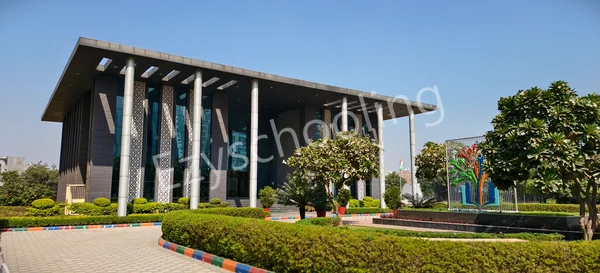
Many schools find it hard to manage even basic waste, but some lead the way by solving tough problems like E-waste. The Wisdom Tree School (TWT), one of the best CBSE schools in Greater Noida, shows how schools can step up through smart teamwork.
What is the Karo Sambhav Initiative?
TWT knew they could not solve the tricky E-waste problem by themselves. So, they teamed up with Karo Sambhav, India's top Producer Responsibility Organization (PRO). Karo Sambhav uses technology to build a safe, legal system that collects and recycles E-waste properly.
This partnership goes far beyond a quick effort. TWT weaves a strong program into school life. It teaches awareness, collection, and safe disposal. The program does more than just warn students that E-waste harms the environment. It gives them clear steps to fix the problem.
How TWT Students Make a Real Impact?
At The Wisdom Tree School, the Karo Sambhav program turns students into real environmental heroes. It runs deeply through fun activities that keep everyone involved.
The school holds special E-waste collection drives. Students bring old gadgets, cables, batteries, and chargers from home. Instead of letting this dangerous waste pile up in landfills, the school becomes a safe drop-off spot. Karo Sambhav picks it up, recycles it safely, pulls out useful metals, and gets rid of harmful parts the right way.
TWT also acts as a host school for the area. This lets their work reach farther than just the school gates. They spread the word to nearby neighborhoods and invite the whole community to drop off E-waste at school.
This smart plan works well. The Wisdom Tree School won awards for "Best Community Outreach" and "Maximum Collection of E-Waste." These prizes show that schools get real results when they pick one strong program over vague activities. By taking on the hard task of E-waste with expert help, TWT proves true care for the planet means using modern fixes for today's problems.
Conclusion
India's environment will thrive if we turn schools into centers of real sustainable action. We need to go beyond just knowing about problems to create clear results. This means tackling big issues like the millions of tons of dangerous e-waste made every year.
Schools should check their resources every day and team up with experts, like The Wisdom Tree School does with the Karo Sambhav program to handle e-waste in smart, scientific ways. True change happens when students stop only reading about environmental issues and actually start building solutions right on their own campuses. The school shows that smart, fact-based steps today stop environmental disasters tomorrow.
To learn more about this and other schools nearby, see this list of the top schools in Greater Noida.








 as a preferred source on