







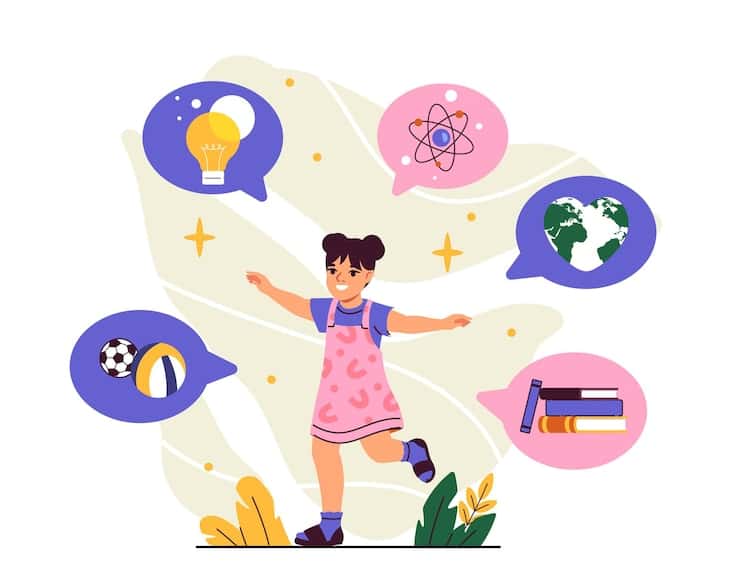

Education in the 21st century has evolved beyond traditional classroom learning. Modern educational institutions face the challenge of preparing students not just for academic excellence, but for life itself. This transformation demands a delicate balance between scholastic and co-scholastic activities, ensuring students develop both intellectual capabilities and essential life skills.
Today's educational landscape recognizes that success extends beyond test scores and academic achievements. Schools must nurture well-rounded individuals capable of navigating an increasingly complex world. Manav Rachna International School, one of the best schools in Faridabad, exemplifies this approach through its comprehensive educational framework that seamlessly integrates academic rigour with diverse co-scholastic activities.
This article explores how modern education institutions are adapting to meet these challenges, examining the crucial elements of a balanced educational approach and its impact on student development.
Also Read | The All-Round Education Model: MRIS Sector 21C's Path to Excellence
The Evolution of Modern Education
The educational paradigm has shifted significantly from its traditional focus on academic achievement alone. Modern education recognizes that students need more than just subject knowledge to succeed in today's world. This evolution reflects the changing demands of the global workforce and society at large.
Life skills and 21st-century competencies have become integral components of education. Critical thinking, creativity, collaboration, and communication skills are now as important as traditional academic subjects. These skills prepare students to adapt to rapid technological changes and evolving workplace requirements.
Co-scholastic activities have emerged as essential tools in this educational transformation. These activities provide practical experiences that complement theoretical knowledge, helping students develop problem-solving abilities and social skills that are crucial for their future success.
Components of a Well-Rounded Education

Academic excellence remains the cornerstone of education, providing students with the knowledge foundation they need to progress in their chosen fields. However, a truly well-rounded education encompasses multiple dimensions of learning and development, such as:
- Physical Education: Physical education and sports play a vital role in student development. Regular physical activity contributes to better health, improved concentration, and the development of important qualities like teamwork and discipline. Sports programs help students understand the value of persistence, fair play, and handling both victory and defeat gracefully.
- Fostering Creativity: Arts and cultural activities foster creativity and emotional expression. Through music, dance, drama, and visual arts, students develop their aesthetic sense and cultural awareness. These activities provide outlets for self-expression and help build confidence in public performance.
- Technology in Learning: Technology integration has become crucial in modern learning environments. Digital literacy and technological competence prepare students for an increasingly digital world. Smart classrooms, computer labs, and digital resources enhance the learning experience and develop technical skills essential for future success.
- Inculcating Socia Responsibility: Leadership and community service opportunities help students develop social responsibility and empathy. These activities teach valuable lessons about civic duty, social awareness, and the importance of giving back to society.
The Impact of Co-Scholastic Activities
- Cognitive Development Benefits: Co-scholastic activities significantly influence cognitive development. These activities enhance memory, improve problem-solving abilities, and develop better decision-making skills. Students engaged in diverse activities often demonstrate improved academic performance due to enhanced focus and better time management skills.
- Social Skills Enhancement: Social skills development occurs naturally through group activities and team projects. Students learn to communicate effectively, work collaboratively, and respect diverse perspectives. These interactions build emotional intelligence and help students develop lasting relationships.
- Character Building: Character building is another crucial outcome of co-scholastic activities. Through various challenges and experiences, students develop resilience, integrity, and self-confidence. They learn to take initiative, handle responsibilities, and develop leadership qualities.
- Future Career Preparation: Future career preparation benefits significantly from co-scholastic involvement. These activities help students discover their interests and talents early, providing valuable insights for future career choices. The skills developed through these activities often prove invaluable in professional settings.
Implementing a Balanced Curriculum
The following points need to be kept in mind while implementing a balanced curriculum:
- Curriculum Planning Strategies: Successful implementation of a balanced curriculum requires careful planning and strategic execution. Schools must structure their programs to provide equal emphasis on both academic and co-scholastic activities without compromising either.
- Time Management Considerations: Time management is crucial in maintaining this balance. Schools need to allocate appropriate time slots for various activities while ensuring academic schedules remain unaffected. This requires careful coordination and efficient scheduling.
- Resource Allocation: Resource allocation plays a vital role in supporting diverse activities. Schools must invest in qualified instructors, appropriate facilities, and necessary equipment to ensure quality implementation of both academic and co-scholastic programs.
- Teacher Training Requirements: Teacher training is essential for successful program implementation. Educators need to understand the importance of both academic and co-scholastic activities and develop skills to integrate them effectively into the learning process.
- Parent Involvement Importance: Parent involvement strengthens the implementation of a balanced education. Regular communication with parents helps create understanding and support for the school's approach to holistic development.
Check Out | MRIS 21C's Holistic Approach to Early Childhood Education
Manav Rachna International School, Sector 21C, Faridabad: Pioneering Holistic Education
Established in 2006, Manav Rachna International School, Sector 21C, Faridabad has emerged as a leading institution in implementing a balanced educational approach. Following the CBSE curriculum and catering to students from Pre-Nursery to Grade 8, the school operates from a sprawling 41,382 sq ft campus equipped with state-of-the-art facilities.

The school's unique approach to balanced education is evident in its comprehensive STEAM focus and Future Skills & Sustainability programme. The implementation of multiple intelligence theory ensures that every student's learning style is addressed. With a student-teacher ratio of 10:1, the school provides personalized attention to each learner.
MRIS Sector 21C's robust co-scholastic program includes specialized sports coaching before and after school hours in basketball, soccer, cricket, volleyball, throwball, badminton, skating, taekwondo, and yoga. The school's Language Development Programme 'Effective Expressions!' strengthens English proficiency, while the multilingual approach includes French, Hindi, Sanskrit, and Spanish instruction.
One of the best schools in Sector 21C, Faridabad, MRIS also caters to unique initiatives like peer tutoring, where students across grades teach and learn from each other. Their Editorial Board manages the school newsletter, fostering writing and editing skills. The tree plantation tradition on birthdays and regular general knowledge sessions create environmentally conscious and well-informed citizens.
The school's impact extends beyond academic achievements through various community outreach programs and environmental initiatives. Their tree plantation tradition and focus on UN Sustainable Development Goals demonstrate their commitment to creating socially responsible citizens.
MRIS Sector 21C's commitment to excellence is reflected in its numerous accolades, including the EduExcellence Award for Co-Scholastic Activities and Innovation in Curriculum. The school has been consistently ranked among the 'Top Schools of India' from 2015 to 2018 by DigitalLearning India.
For more information on this and similar schools in the area, check out this list of the best schools in Faridabad.






 as a preferred source on