







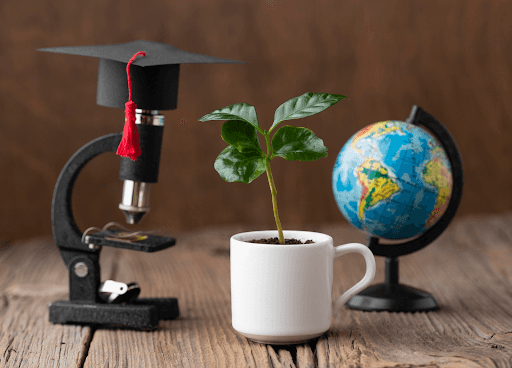

The 21st century has redefined what it means to be educated. Gone are the days when success was measured solely by exam scores and textbook knowledge. Today's students need to be critical thinkers, culturally aware individuals, and responsible global citizens who can navigate an increasingly interconnected world with empathy and understanding.
This shift demands a fundamental rethinking of how schools approach education. Progressive institutions are moving away from rote memorisation toward inquiry-based learning that encourages students to question, explore, and connect with diverse perspectives. DRS International School (DRSIS), Hyderabad, stands as a compelling example of this transformation, offering both IB continuum and CBSE curricula while prioritising international mindedness and holistic development.
In this article, we'll explore what global citizenship means in modern education, the advantages of dual curriculum systems, the power of inquiry-based pedagogy, and how schools are creating well-rounded individuals through clubs, life skills, and community engagement.
Also Read | How Global Citizens are being created through Holistic Education?
Understanding Global Citizenship in Modern Education
Global citizenship education goes beyond geography lessons and cultural festivals. It's about developing young people who recognise their role in a larger world and feel motivated to contribute positively to society, regardless of borders or backgrounds.
What Does Global Citizenship Actually Mean?
Global citizenship in education refers to cultivating students who understand diverse perspectives, respect different cultures, and recognise their interconnectedness with people worldwide. It's not about erasing national identity but expanding it to include a broader sense of responsibility and awareness.
Core Competencies of a Global Citizen
The skills required for global citizenship are multifaceted and interconnected:
- Critical thinking: Analysing information from multiple sources and questioning assumptions
- Cultural awareness: Understanding and appreciating diverse traditions, beliefs, and values
- Social responsibility: Recognising one's ability to create positive change
- Communication skills: Engaging respectfully across cultural and linguistic boundaries
- Empathy: Understanding experiences and perspectives different from one's own
These competencies prepare students not just for academic success but for meaningful participation in an increasingly complex world.
The Role of International Frameworks
International education frameworks like the IB learner profile have pioneered this approach. The profile encourages students to be inquirers, knowledgeable, thinkers, communicators, principled, open-minded, caring, risk-takers, balanced, and reflective. Schools worldwide are adapting their curricula to embed these attributes into everyday learning experiences.
The Dual Advantage: Balancing National and International Curricula
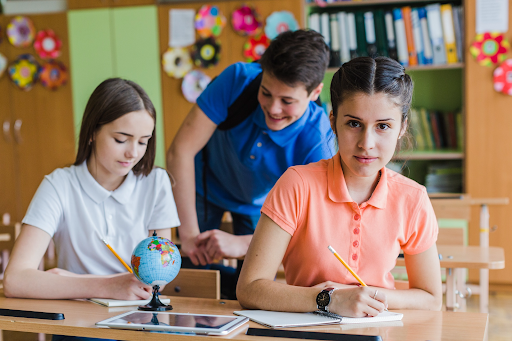
Parents often face a difficult choice: should they opt for a nationally recognised curriculum or an international one? Progressive schools are increasingly offering both, recognising that each system brings unique strengths to the table.
The International Baccalaureate Advantage
The IB curriculum, with its continuum of Primary Years Programme (PYP), Middle Years Programme (MYP), and Diploma Programme (DP), emphasises inquiry-based, transdisciplinary learning. Research indicates that IB students demonstrate stronger critical thinking skills and are better prepared for university-level work compared to their peers.
CBSE's National Relevance
The CBSE curriculum offers structured learning aligned with India's educational standards and is recognised by universities across the country. It provides a strong foundation in core subjects with clearly defined learning outcomes and a transparent assessment system that students and parents understand well.
Why Combining Both Works
Offering dual curricula allows schools to give students the best of both worlds. Families can choose the pathway that aligns with their child's strengths, learning style, and future aspirations while remaining part of the same school community with shared values and approaches.
Inquiry-Based Pedagogy: Moving Beyond Traditional Teaching
Traditional education often positions teachers as knowledge dispensers and students as passive recipients. Inquiry-based learning flips this dynamic entirely, making students active participants in constructing their own understanding.
What is Inquiry-Based Learning?
Inquiry-based pedagogy starts with questions rather than answers. Students explore topics through investigation, experimentation, and discussion. Teachers become facilitators who guide the learning process rather than simply delivering content, encouraging students to take ownership of their educational journey.
Teaching Strategies for Modern Classrooms
Contemporary classrooms employ diverse strategies to engage students. Think-Pair-Share encourages collaboration, the JIGSAW method promotes peer teaching, and reciprocal teaching develops comprehension skills. These approaches recognise that students have different learning styles and intelligence types, making education more inclusive and effective.
Assessment That Informs Learning
Assessment in inquiry-based environments serves a different purpose than traditional testing. Rather than simply measuring what students know, it informs both teaching and learning. Formative assessments happen continuously, giving teachers insights into student understanding and allowing for timely interventions when needed.
Beyond Academics: Clubs, Life Skills, and Holistic Development
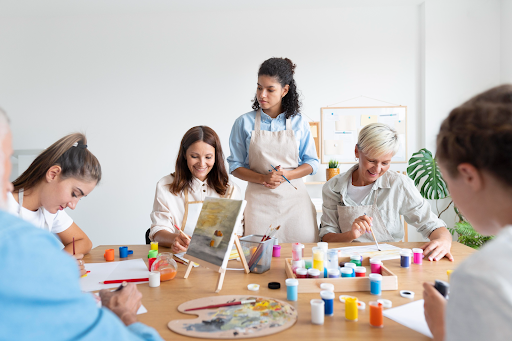
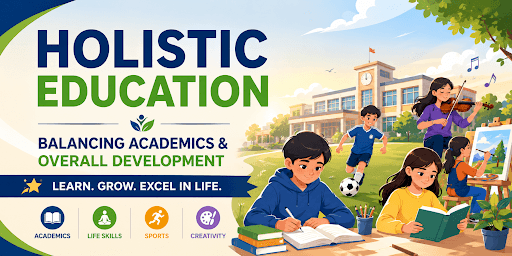
Academic excellence alone doesn't prepare young people for the complexities of adult life. Schools increasingly recognise that emotional intelligence, social skills, leadership abilities, and creative expression are equally important for success and fulfilment.
The Power of Co-Curricular Activities
Clubs and extracurricular programs provide spaces where students discover passions, develop talents, and build skills that classrooms alone cannot teach. Whether it's debating in Model UN, composing music, designing technology projects, or performing on stage, these experiences shape identity and confidence in profound ways.
Life Skills and Wellness Programs
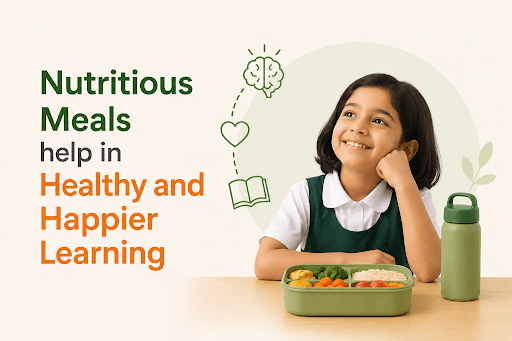
Modern schools are integrating dedicated life skills programs that address thinking skills, social competencies, and emotional regulation. Student wellness initiatives focus on health, hygiene, nutrition, and mental well-being, recognising that academic performance is intrinsically linked to overall student welfare.
Community Service and Social Responsibility
Engaging with the broader community teaches empathy and social awareness in ways that classroom discussions cannot replicate. When students visit orphanages, lead environmental campaigns, or work with marginalised groups, they develop a deeper understanding of privilege, inequality, and their own capacity to create meaningful change.
Check Out | Learning Beyond Books: The Role of Clubs in Student Growth
DRS International School (DRSIS), Hyderabad: Cultivating Global Citizens Through Progressive Education
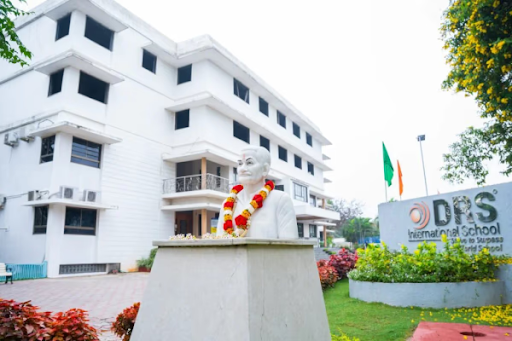
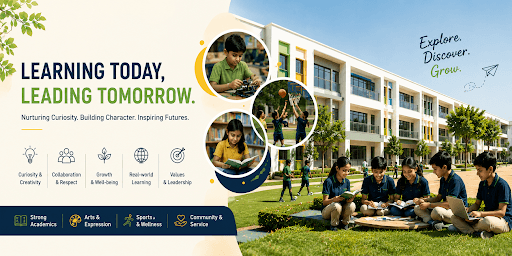
Located in Gundlapochampally, one of Hyderabad's greenest suburbs, DRS International School operates as an authorised IB World School offering the complete IB continuum alongside CBSE from Grades VI to XII. As a day-cum-residential school, DRSIS offers flexible options for families seeking an internationally minded education with strong traditional values.
DRSIS maintains the delicate balance between national curriculum requirements and international pedagogical approaches. The IB programmes emphasise transdisciplinary, concept-based learning through inquiry, while the CBSE track offers structured progression with clearly defined learning outcomes. Both pathways benefit from the school's commitment to progressive teaching methods and small class sizes.
The school employs diverse teaching strategies, including QAXP, RAFT, reciprocal teaching, JIGSAW, and Think-Pair-Share. Facilitators create classroom experiences designed to nurture curiosity, stimulate inquiry, and encourage self-expression. Assessment practices are comprehensive, transparent, and designed to inform both teaching and learning at every stage.
DRSIS offers over twelve specialised clubs spanning literary arts, visual arts, performing arts, music, ECO sustainability, design and technology, cuisine, and more. The school hosts official chapters of Interact Club, Model UN Club, TED-Ed Club, and Builders Without Borders Club, providing students with platforms to develop leadership skills and engage with global issues.
The Life Skills Programme at DRSIS consciously equips students with thinking, social, and emotional skills through experiential approaches. The DEAR (Drop Everything and Read) Programme, with access to 15,500 books, cultivates lifelong reading habits. The Student Wellness Programme addresses health, hygiene, safety, and nutrition in creative, engaging ways.
The Sports Education Programme emphasises knowledge, attitudes, and skills related to physical and health activities. With national and international-size courts and professional coaches, students can pursue swimming, basketball, football, volleyball, chess, cricket, skating, tennis, badminton, and more, alongside recreational programs including gymnastics, aerobics, and yoga.
DRSIS provides comprehensive academic support for students with varying abilities and learning styles. The support program involves students, parents, teachers, psychologists, and the Academic Support Team in creating appropriate action plans. Services include peer learning, one-on-one specialised classes, and small group instruction tailored to individual needs.
The Career Guidance Cell offers a structured nine-step process covering counselling, career aspiration mapping, course and country selection, document preparation, entrance test preparation, university exploration, application assistance, tracking admissions, and visa processing. This comprehensive support has resulted in successful placements in prestigious universities both in India and abroad.
DRS International School's vision centres on creating progressive, thinking lifelong learners who embody innovation, active collaboration, and international mindedness. The school's admission philosophy reflects its commitment to diversity and inclusivity, welcoming students from all nationalities, cultures, and socioeconomic backgrounds while providing support for students with varying abilities.
If you're seeking an educational environment that prepares your child not just for exams but for meaningful participation in a global society, exploring DRS International School (DRSIS), Hyderabad, could be your next step. The school's blend of rigorous academics, inquiry-based pedagogy, extensive co-curricular opportunities, and commitment to developing global citizens offers a comprehensive foundation for 21st-century success. Visit the school to experience firsthand how traditional values and progressive education come together to nurture tomorrow's leaders.
For more information on this and similar schools in the area, check out this list of the best schools in Hyderabad.
 as a preferred source on